The Zurich money engine never stops spinning
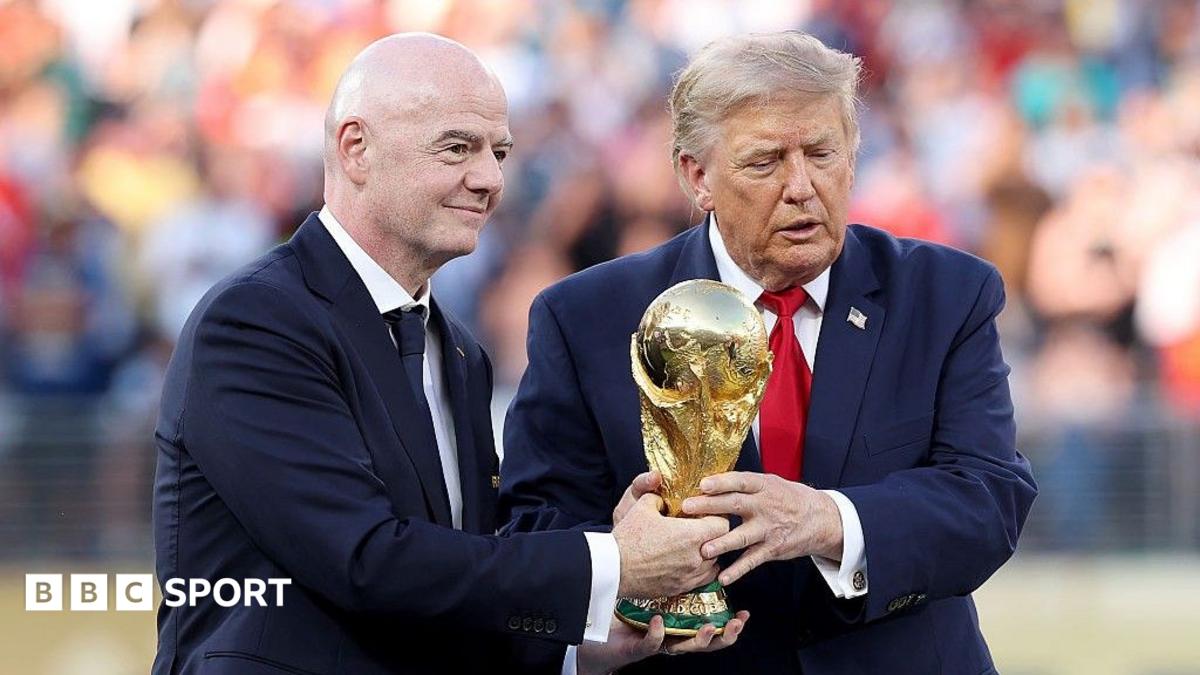
Gianni Infantino has spent his entire presidency acting like a tech startup founder who refuses to stop pivoting until he lands a multi-billion dollar valuation. Now, FIFA is reportedly aiming to rake in its first payout from Infantino's ambitious private equity plans by the end of October. If you thought the expansion to a 48-team World Cup was just about expanding the global game, I have a bridge in Bern to sell you.
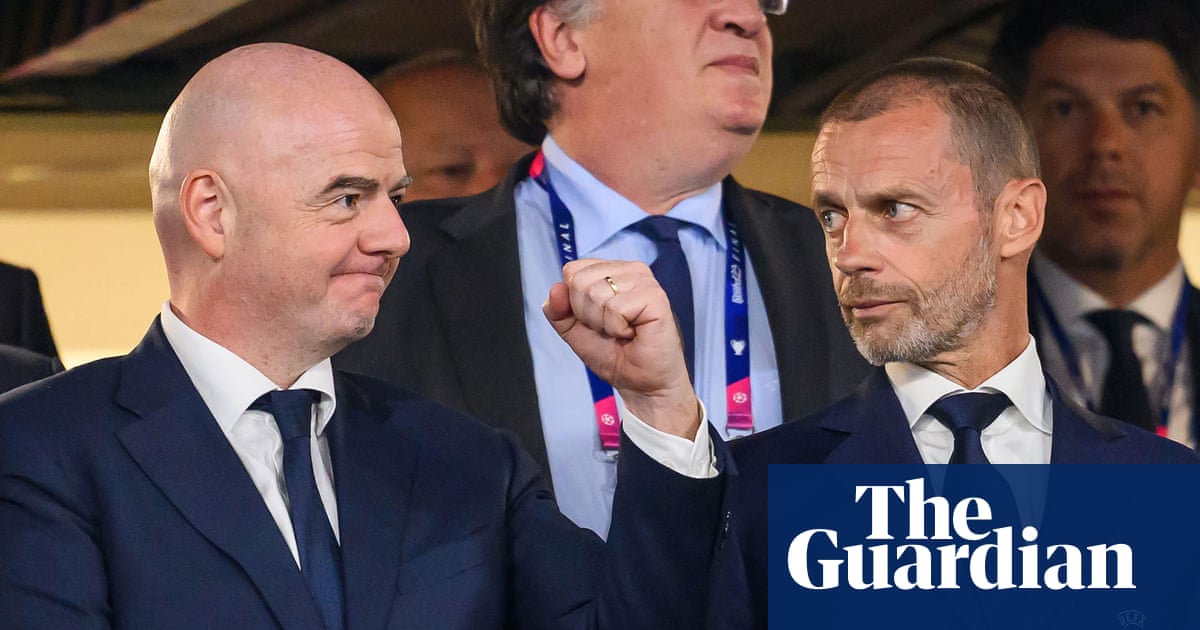
The cash machine is accelerating, and the European football establishment is officially panicking. UEFA has called an emergency gathering of all 55 member associations for Thursday afternoon to map out a response to FIFA's controversial proposals. Grab your espresso and pull up a chair, because UEFA vs FIFA is entering its nuclear phase.
UEFA calls an emergency summit as the rift widens
When all 55 member nations clear their calendars for an emergency Zoom call on a Thursday afternoon, it is not to discuss grass roots pitch dimensions. UEFA knows that FIFA getting directly into bed with private investment groups fundamentally shifts the financial gravity of world football. For decades, Nyon held the purse strings through the Champions League, but Infantino wants Zurich to dictate the global economy.
This isn't just about calendar congestion or player workload anymore—it is a straight-up territorial war over TV rights, commercial sponsorship, and cold, hard cash. European leagues feel squeezed, player unions are threatening legal action, and FIFA keeps pressing forward like a tank on a highway. The timeline is moving fast, with the first institutional money potentially dropping within three months.
The private equity trap line
Here is the reality of private equity in sports governance: nobody hands over billions of dollars out of pure love for the game. Investment funds demand double-digit returns, voting leverage, and a heavy say in how commercial rights are carved up. Infantino's vision promises massive payouts to federations in Africa, Asia, and North America, effectively buying their loyalty for future presidential votes while freezing out UEFA's leverage.
European football leaders know that once FIFA signs on the dotted line with private capital, there is no turning back. The calendar will be permanently packed with high-priced summer exhibition tournaments disguised as mandatory global cups. UEFA's meeting on Thursday isn't just a discussion; it is a desperate attempt to build a coalition before FIFA locks in the cash by November.