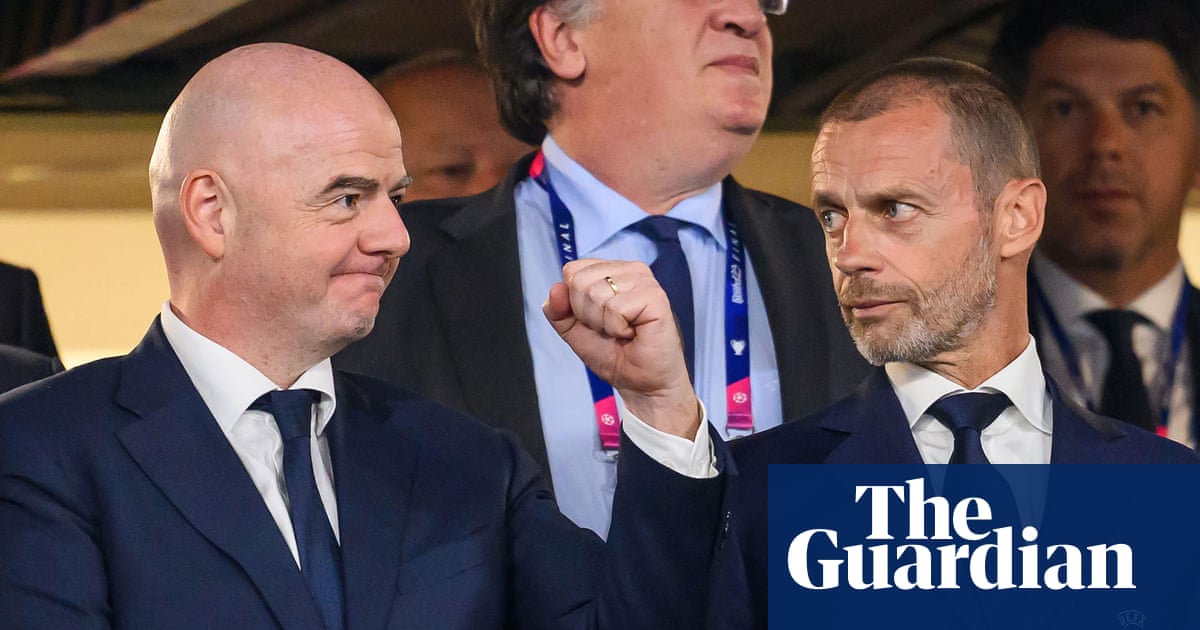
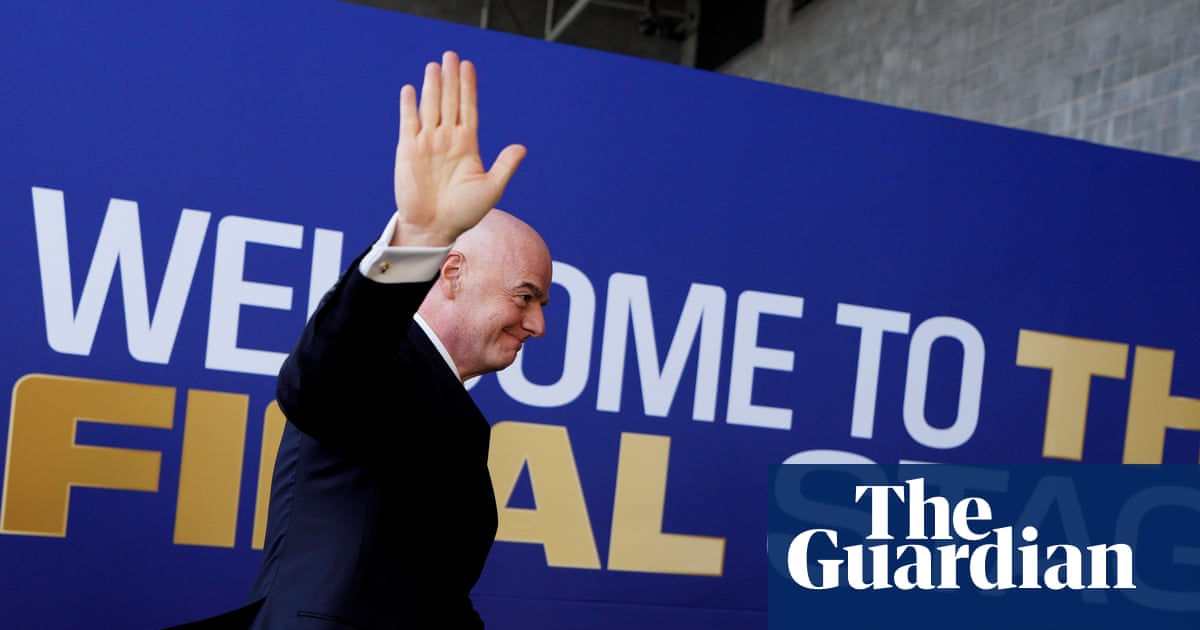
Gianni Infantino's quiet capital drive
In 2022, FIFA generated a record $7.5 billion in revenue across its four-year World Cup cycle, driven largely by television rights and corporate sponsorships. Now, as preparations intensify for the expanded 48-team tournament in 2026, the governing body is exploring unprecedented avenues to capitalize on its flagship asset.
Reports surrounding FIFA president Gianni Infantino indicate talks concerning stake sales in commercial entities connected to the World Cup, marking a structural departure from traditional governance. When pressed on whether discussions took place regarding potential investments linked to private equity or family enterprise networks, political figures involved in joint host operations kept responses remarkably brief.
Shifting revenue mechanics at Zurich
Historically, FIFA retained 100 percent operational control over World Cup commercial rights, relying on direct broadcasting deals and tier-one sponsor packages. The proposed shift toward private investment stakes signals a potential dilution of institutional ownership in favor of immediate capital injection.
For context, European club competitions saw private equity deployment top $3.2 billion across various leagues between 2020 and 2025. FIFA's prospective turn toward external investment vehicles suggests a parallel push to lock in guaranteed returns against escalating operational budgets across North American host venues.
The math behind international football's corporate pivot
Organizing a 104-match tournament across three nations demands an unprecedented infrastructure commitment. Venue preparation and logistical overhead across 16 host cities are projected to exceed previous single-host budgets by nearly 40 percent.
The risk of introducing private commercial stakes lies in revenue division. While traditional sponsorship models distribute surplus revenue to national associations, direct equity involvement introduces third-party dividend priorities that could permanently alter international football distribution models.
Whether this financial maneuver secures long-term stability or merely trades future equity for short-term liquidity, the strategic trajectory under Infantino marks the most drastic commercial recalibration in FIFA's 122-year history.
Read Next
- Donald Trump keeps it brief on Gianni Infantino's wild FIFA World Cup selloff
- Fifa COO breaks ranks as Infantino pushes private equity into global football
- Gianni Infantino just crashed his own $20 billion payday
- Arsène Wenger and Gianni Infantino are dismantling football from the top down
- 🏆 World Cup 2026 — Full Coverage Hub