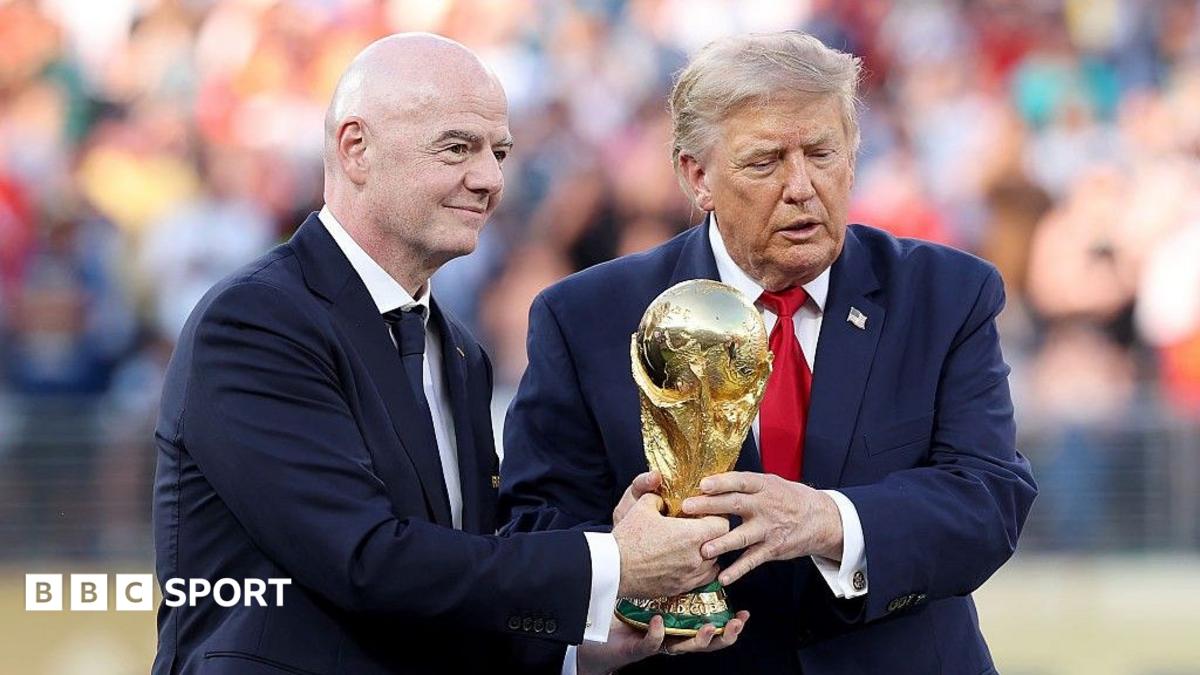
The end of international football's autonomy
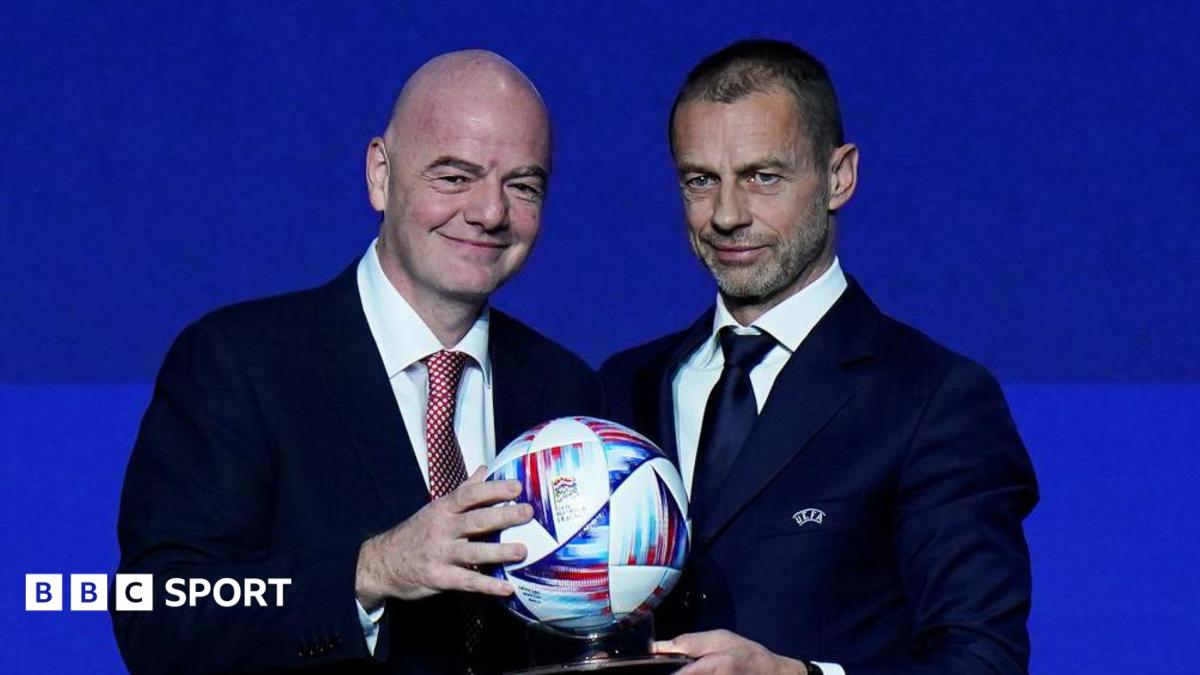
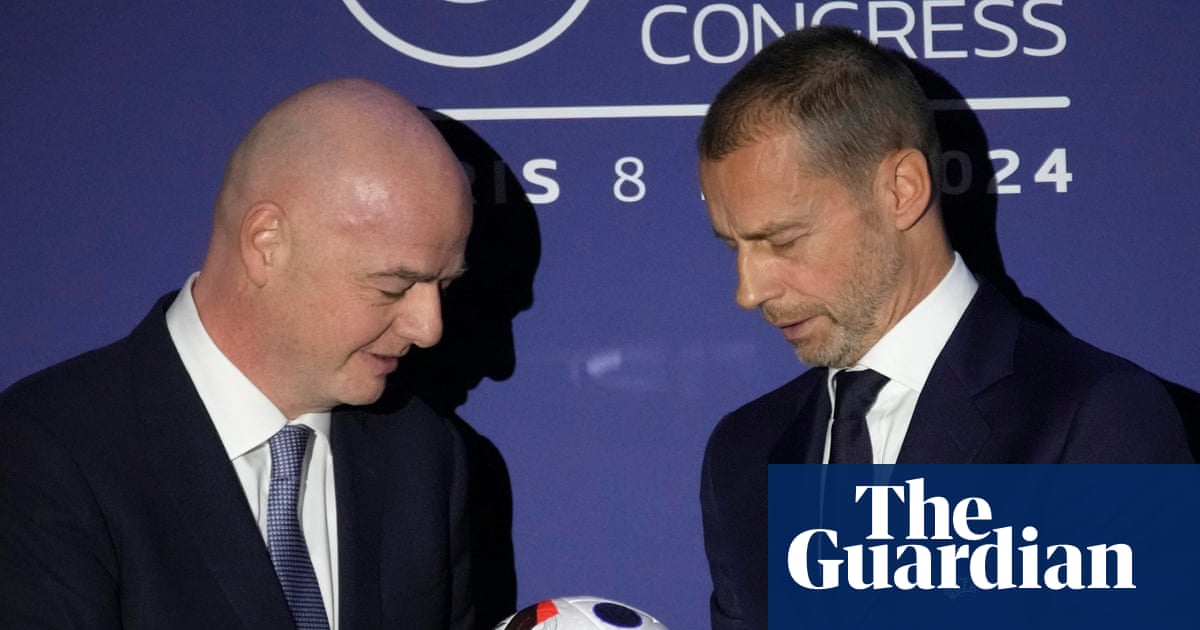
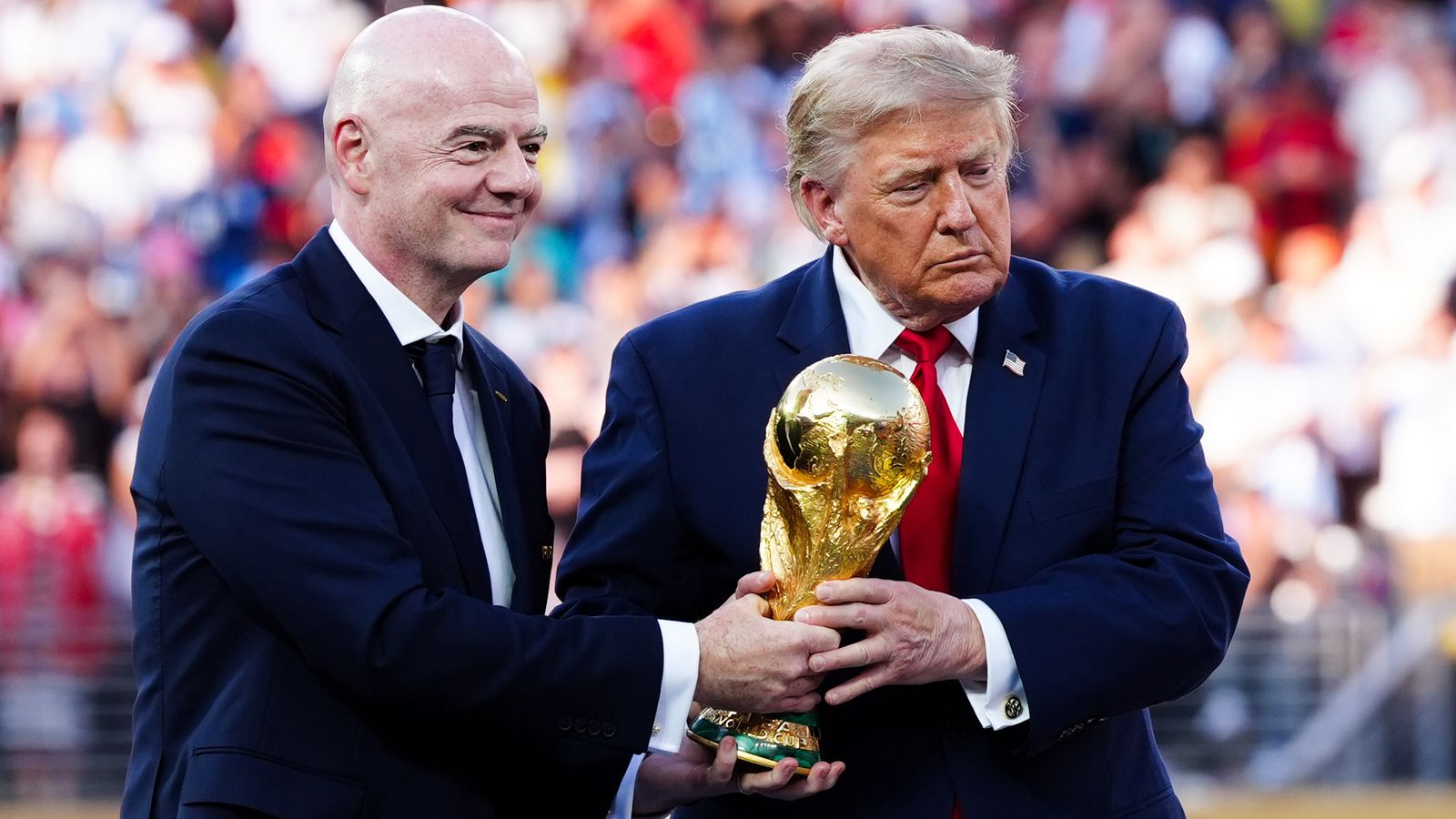
FIFA is currently flirting with the idea of inviting private equity into the World Cup, a move that would fundamentally alter the governing body's relationship with the sport. Reports from the BBC confirm that both UEFA and UK Prime Minister Andy Burnham have pushed back against this prospect. Turning the world's biggest tournament into an asset class for venture capitalists is a bridge too far for those concerned with the integrity of the game.
Why commercialization hits a wall
The core issue here is control. Private investment rarely arrives without mandates for increased revenue, which almost always results in expanded brackets, more matches, and decreased recovery time for players. We saw this manifest in the recent scrutiny of FIFA's governance by European regulators. When you introduce external stakeholders, you aren't just selling a product; you are selling decision-making power that dictates how the final tournament is structured.
We have to look at the math. A private firm investing, say, $5,000,000,000 into a competition will demand a return over a set period. FIFA will be forced to squeeze every penny out of ticketing, broadcast windows, and mid-tournament friendlies. It destroys the distinct rhythm of a summer World Cup. My prediction? This move will be the catalyst for the formal splintering of UEFA from FIFA.
The UEFA-FIFA divide deepens
Burnham is right to be skeptical. While FIFA views this as a modern financial upgrade, UEFA sees it as an existential threat to their own continental hegemony. If these investments go through, the tension between the governing bodies will break into open conflict by late 2027. We are looking at a future where the largest football associations might refuse to send their squads to a private-equity-backed tournament.
The financial argument for this expansion is flimsy. Critics correctly point out that FIFA's existing television contracts provided $7,500,000,000 in revenue for the 2022-2026 period alone. Why sacrifice long-term governance for a short-term cash infusion that necessitates bowing to external shareholders? It is a reckless tactical error. FIFA is essentially inviting a Trojan horse into their own boardroom.
My final take? This initiative will face a massive legal challenge in the European Court of Justice before a single cent is transferred. Whether it succeeds is secondary to the fact that it damages the brand irrevocably. By the time the next cycle starts, expect a massive revolt from Europe's biggest clubs and federations regarding their participation in these newly corporatized competitions.