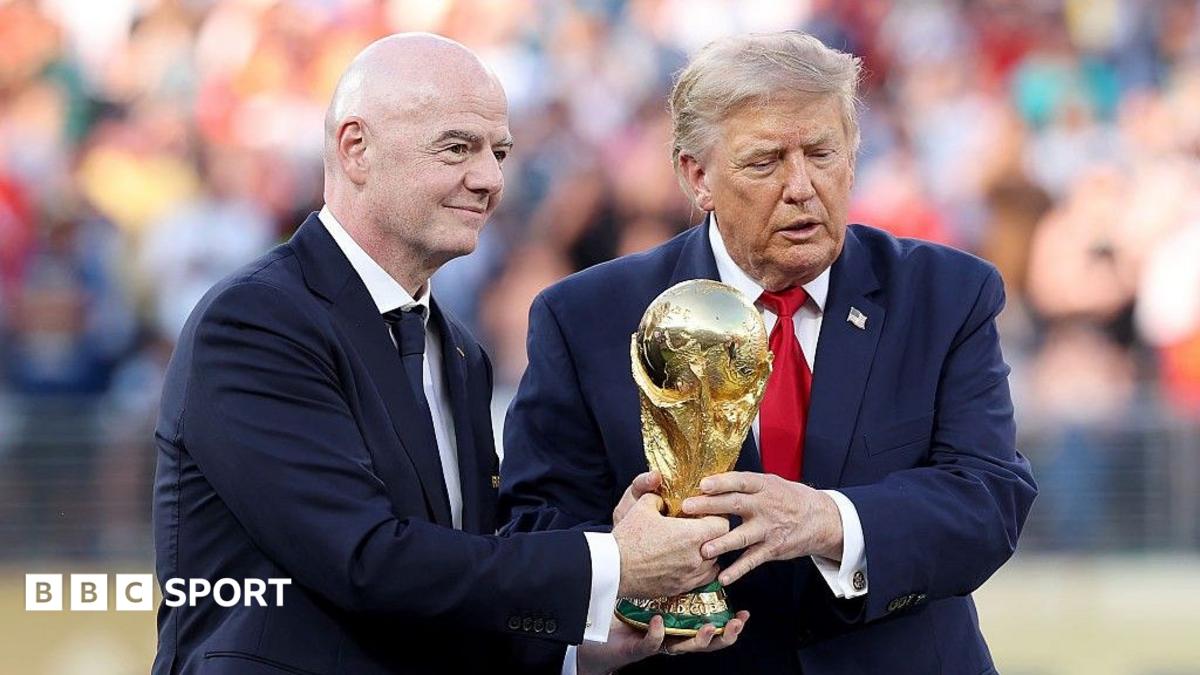
The push for privatization at the top of football
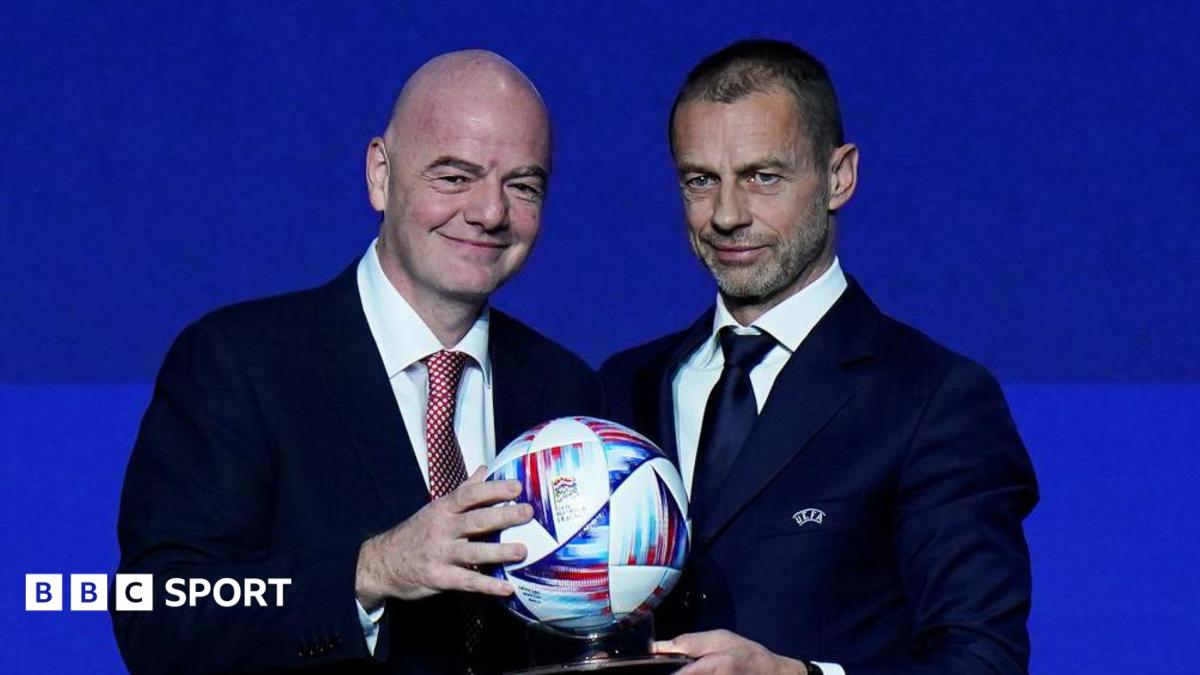
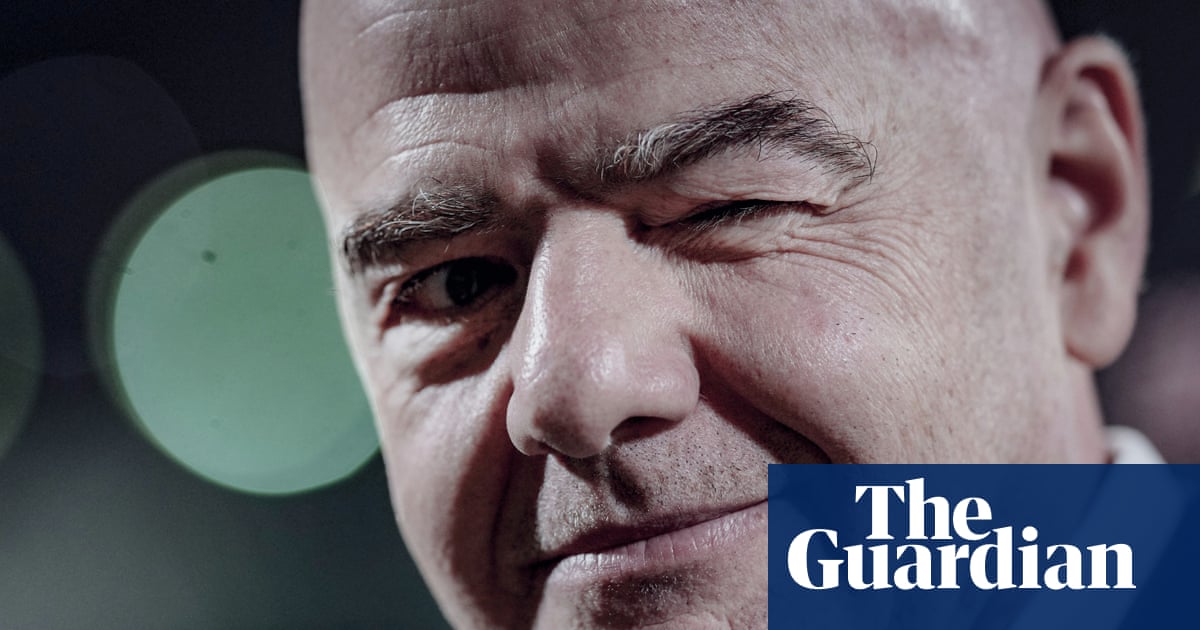
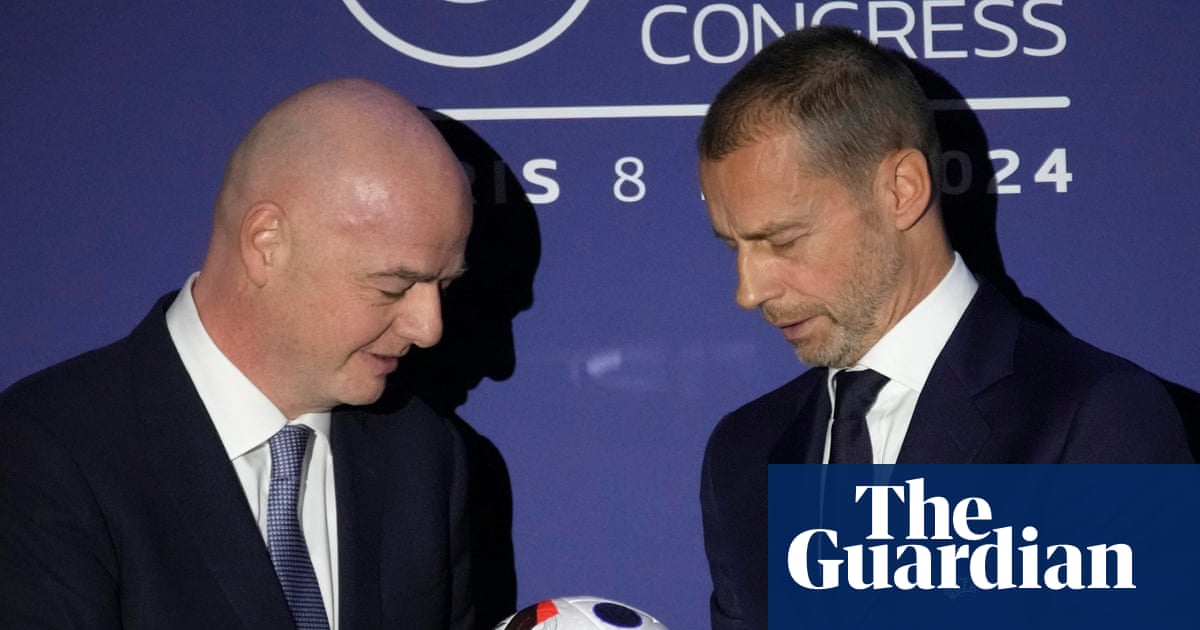
Gianni Infantino is courting controversy again. FIFA’s push to seek private investment for its crown jewel, the World Cup, has triggered a rare alliance between UEFA and the UK Prime Minister, Andy Burnham. At the heart of the tension is the fundamental question of who owns the game.
For decades, football’s governing bodies operated as non-profit entities. Infantino’s shift toward private equity seeks, in his view, to maximize the commercial footprint of FIFA-run tournaments. However, when you introduce private capital into the governance of a competition, the incentives shift from footballing development to dividend yields.
UEFA, understandably, views this as a direct challenge to their position at the top of the European pyramid. Following the recent reports by the BBC, the friction is palpable. If FIFA secures external funding, the financial power balance shifts permanently away from national associations.
The danger of financialized football
Prime Minister Andy Burnham’s intervention is particularly heavy. When a leader of a national government publicly calls out a sporting body, the underlying anxiety is usually about the erosion of the sport as a public good. It is a cynical maneuver to treat the World Cup as a vehicle for venture capital returns.
We have seen this script before at the club level. When hedge funds and private equity firms enter, they rarely care about the local rhythm of the game or the supporters who sustain the structure. They care about media rights cycles and sponsorship inventory. If this strategy proceeds, the 100% control traditionally held by FIFA will be diluted by boardrooms looking for a short-term payout.
Tactically speaking, the governance of football needs stability to permit long-term planning, like the implementation of VAR or youth pathways. If FIFA becomes beholden to private shareholders, every decision—from hosting rights to scheduling—will be filtered through a lens of profitability rather than feasibility.
Defending the integrity of the World Cup
It is difficult to see how this doesn't lead to further fixture congestion. The 2026 cycle is already pushing players to their physiological limits. A move to monetize these matches further usually implies a drive to increase the total number of games. We are looking at a protracted standoff between Zurich and Nyon. UEFA holds the moral high ground here, which is a rare position for a body that helped create the Champions League reforms, but they are right to fear FIFA’s encroachment.
My prediction is that this deal will stall, but not because of morality. It will stall because the legal complexity of selling equity in a tournament that rests on national stadium infrastructure is a disaster waiting to happen. Infantino is playing with fire, and until FIFA produces a transparent audit of how these funds would be used, the football world should remain deeply skeptical of these billion-dollar ambitions. The game does not need more investors; it needs fewer middlemen demanding a cut of the gate revenue.