
FSG are looking for a cash injection but Liverpool isn't for sale yet

FSG pivot back to the minority stake model
The latest maneuvers at Fenway Sports Group regarding their Liverpool asset suggest a shift in strategy. Instead of a full-scale exit that was floated during periods of market instability, the owners are actively shopping for a minority partner. As reported by the Mirror, Amit Bhatia’s investment group has been approached regarding a potential stake acquisition of up to 30 percent.
This move is characteristic of FSG’s methodical, often cold-blooded approach to portfolio management. They view the club as a high-growth vehicle that requires modernized capital injection to keep pace with the hyper-inflated spending of state-backed entities. Selling a slice provides the liquidity to address stadium costs and recruitment budgets without ceding control.
The math behind the Anfield strategy
Critics frequently point to the FSG era as one defined by a zero net spend mentality during peak windows. While that is a reductive take, the reality is that the margin for error has vanished. If they are courting outside billionaire capital, it signals that the current internal revenue streams from commercial growth and matchday earnings are hitting a plateau relative to the rising wage bills of competitors.
A 30 percent equity sale isn't pocket change; it is a defensive hedge against the volatility of the transfer market. Finding a partner willing to buy in at a valuation that reflects the prestige of the Premier League is a difficult task when the prospective owner isn't being offered a path to a majority share. It essentially limits their pool of buyers to passive investors rather than the hands-on moguls who usually dominate English football.
The shadow of internal unrest
This news follows a string of concerns regarding ownership models in the sport more generally. The instability observed elsewhere, such as with Argentina’s recent disciplinary issues, highlights how quickly administrative chaos turns into on-pitch dysfunction. While the Liverpool board is historically more disciplined than the AFA, any distraction at the ownership level creates a bottleneck in decision-making.
Recruitment hinges on budget certainty. If executives like Michael Edwards are forced to navigate a period where ownership is preoccupied with restructuring equity, the impact will be felt in the next transfer window. Managers cannot operate effectively when the source of their funding is in a state of flux.
The high cost of maintaining a dynasty
The pressure on John McGlynn at Falkirk earlier this season provides a cautionary tale about what happens when the expectations of the board outpace the reality of the squad. Liverpool’s internal metrics remain high, but top-four consistency now demands perfection. Falling out of the Champions League spots for just one season results in a massive revenue gap that even a sold-stakes model cannot bridge.
Investors are not entering this market to collect scarves. They expect an uptick in value, which forces the board to focus on short-term valuation boosts. Whether this results in better football or merely a more expensive one is the defining question for the next decade of Anfield’s history.
The club is currently at a critical junction. Attempting to balance the books through external investment is a sensible financial maneuver, but it carries risk. Bringing in minority partners with deep pockets usually brings with it a desire for influence. If FSG manages to retain total operational control while offloading 30 percent of the financial risk, they will have executed another masterclass in sports finance.
However, the supporters are rightfully wary. The club is not a speculative stock; it is a living entity that relies on continuity. If this cash injection is used to pay down debt rather than bolster the squad at the midfield pivot, the fanbase will inevitably view it as a failure of ambition. Stability is not the same as stagnation, and FSG must be careful not to conflate the two.
Adidas Unisex-Adult Tiro 23 League Training Jersey
Look sharp, stay cool, and own the pitch just like your favorite Premier League
Frequently Asked Questions
Why is FSG looking for a minority partner for Liverpool?
What percentage of Liverpool is FSG reportedly looking to sell?
How does equity selling affect Liverpool's transfer budget?
What kind of investors is FSG targeting for the stake sale?
Why does FSG feel the need for external capital now?
More Coverage
Arsenal Have a 16-Year-Old Monster and Mikel Arteta Needs to Unleash Him
7 hours ago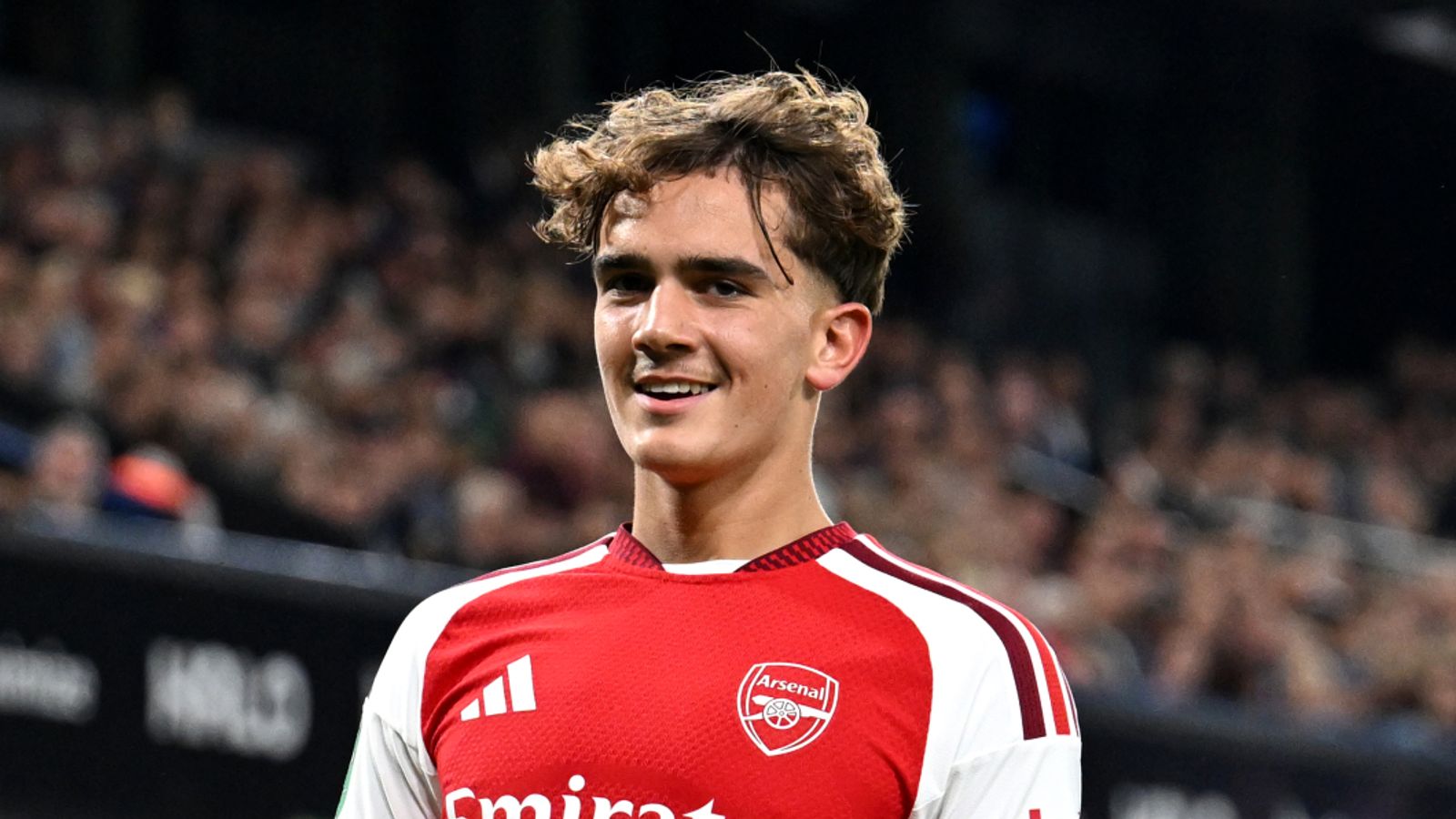
Top 10: Top Moments
7 hours ago
Keith Andrews is right about VAR, but Brentford are walking a tightrope
9 hours ago
Arsenal's defensive nightmare gets worse while Chelsea sweat over Joao Pedro
10 hours agoArsenal need to pump the brakes on the Max Dowman hype train right now
11 hours ago
Liverpool lead race to sign Lamine Camara for £60m in January
18 hours agoMore Analysis

Liverpool's sporting director revolving door is officially out of control
1 week, 1 day ago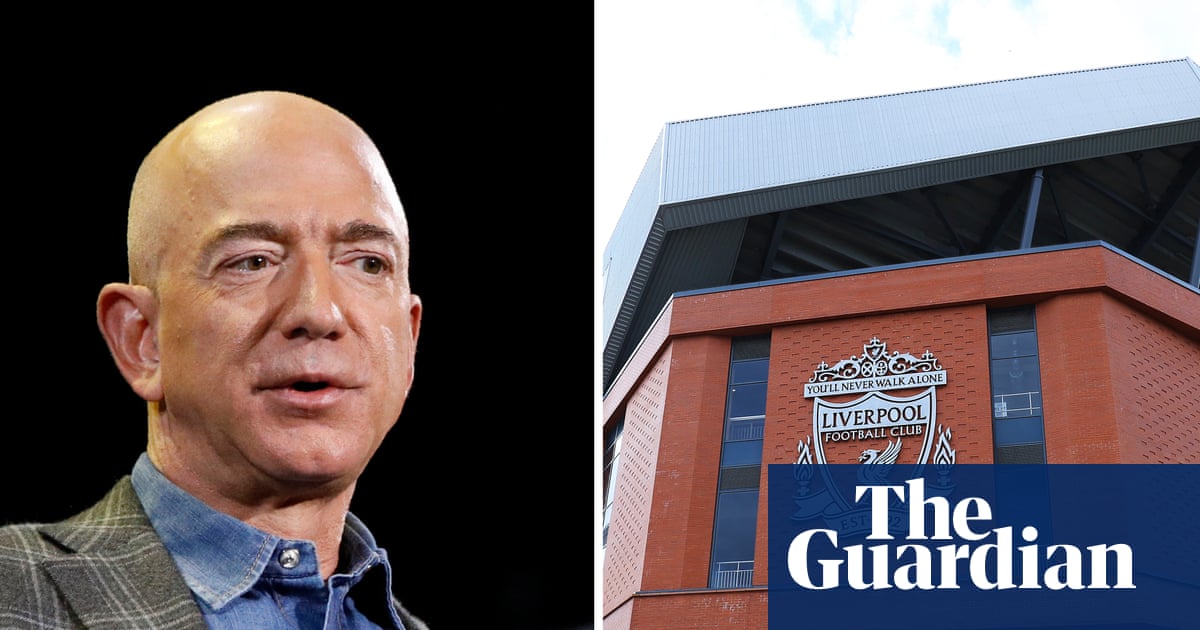
Don't expect Jeff Bezos to fund a massive Liverpool transfer spending spree
1 month ago
Liverpool fans are losing their minds over Jeff Bezos buying into Anfield
1 month ago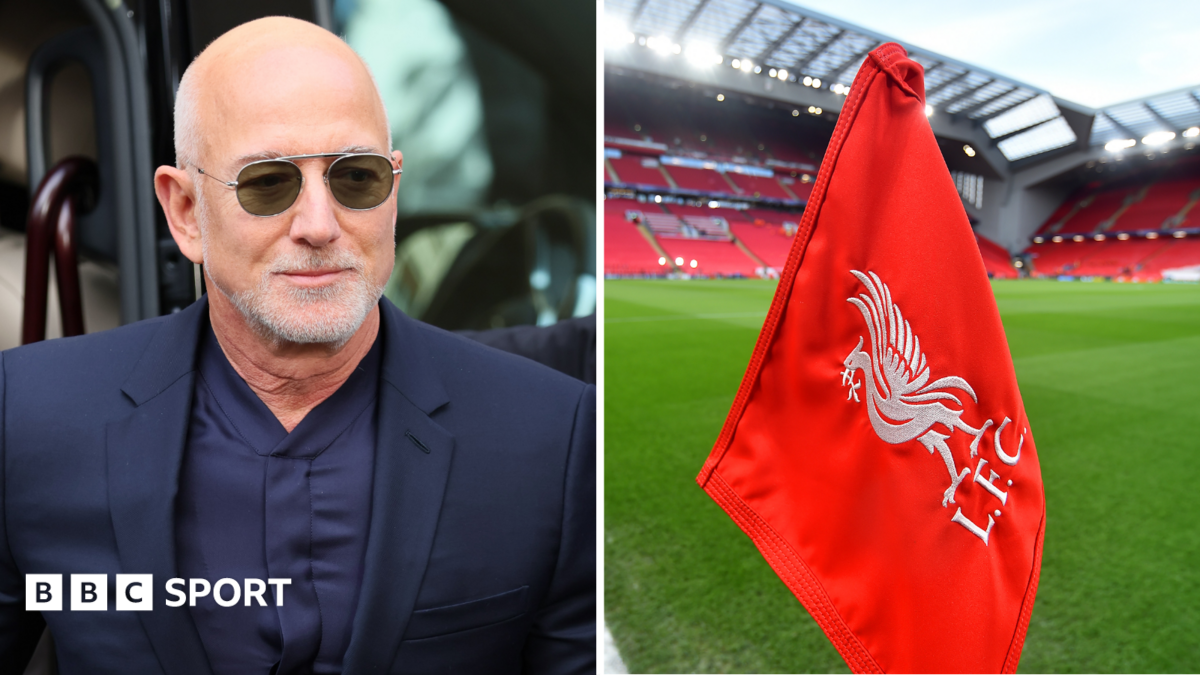
Jeff Bezos wants a piece of Liverpool. Should Anfield actually be excited?
1 month ago