The minority stake trap
Fenway Sports Group is moving into a transition phase that feels eerily familiar to anyone watching their operations over the last decade. The buzz around a minority sale of up to 30 percent isn't just about cash injection; it is a defensive posture. By courting consortiums like the one led by Amit Bhatia, FSG is effectively trying to keep the keys to the kingdom while offloading the volatile costs of squad maintenance.
Reports indicate that FSG has actively approached billionaires to secure this liquidity. This isn't a play for total exit, it is a play for survival in a market where transfer fees are skyrocketing. If they can bring in a minority partner, they stabilize their balance sheet without ceding decision-making power.
Billy Hogan’s brand of patience
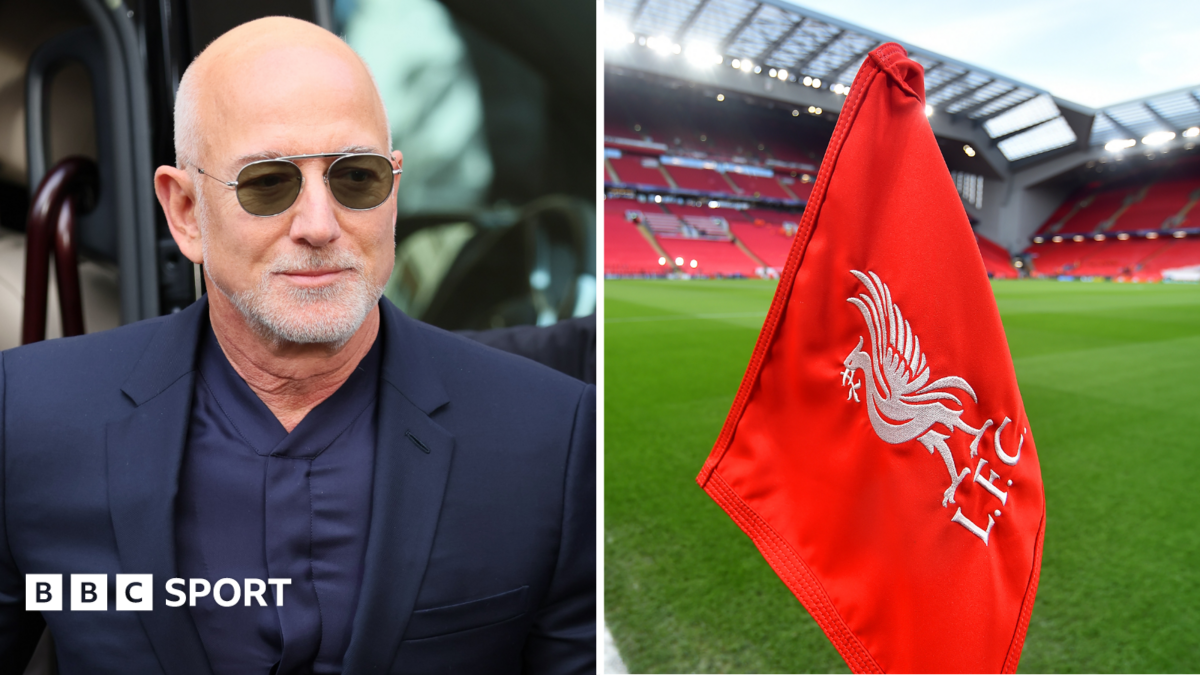
Liverpool CEO Billy Hogan recently sat down with BBC Sport in New York to frame this shift. His message was clear: change is on the horizon, but it shouldn't be read as a full-scale abandonment. Hogan is the ultimate company man, tasked with smoothing over the transition in public while the front office burns through potential candidates for incoming capital.
My gripe with this strategy is the timing. You don't bring in passive, high-net-worth investors when your competition is printing money through state-backed oil funds. It smells like a move to protect the core asset's value for a later, bigger sale rather than investing in the current technical floor of the squad.
The Bezos factor and the billionaire gamble
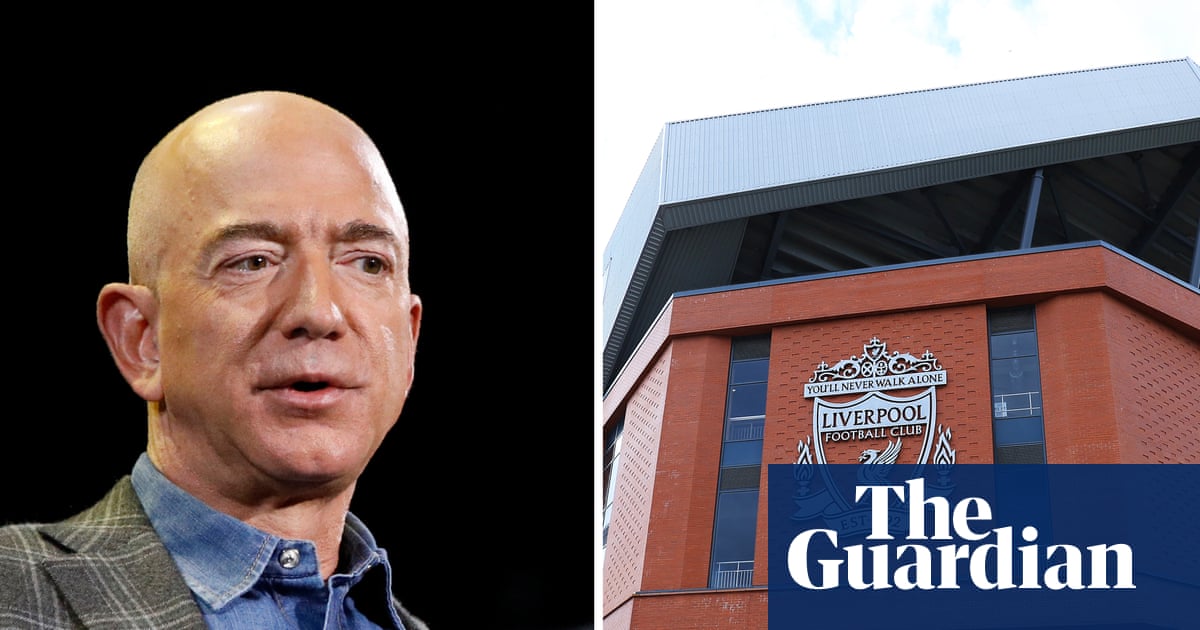
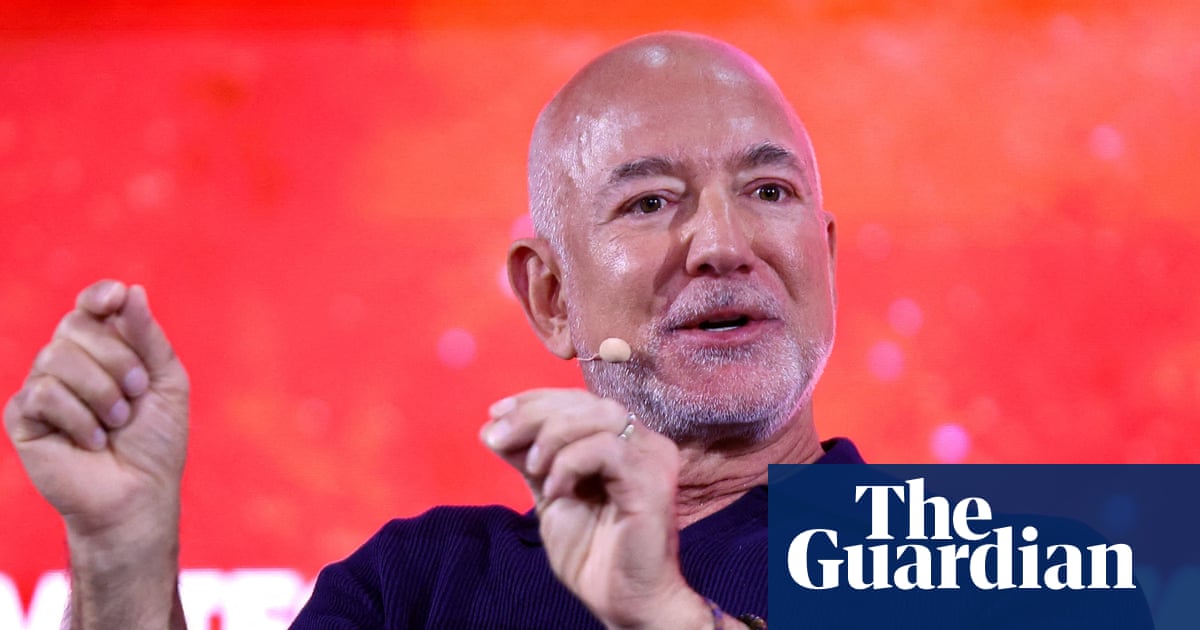
The murmurs regarding Jeff Bezos and other high-profile bidders are fun for headlines, but they miss the point. Even if FSG lands a billionaire backer, it doesn't solve the structural issue of their conservative recruitment budget. They aren't looking for a partner to build a super-team; they are looking for a shock absorber.
I expect this deal closes before the end of the year, likely valued at roughly $1.5 billion for the minority slice. It will look good on the spreadsheet in Boston. It will buy them another three seasons of operational safety. It will do nothing to stop the creeping frustration on the Kop as fans realize this ownership group is more interested in asset appreciation than trophy accumulation.
Change is inevitable.
Billy Hogan’s quote is the ultimate hedge. It admits that the current model is under stress, but it avoids the hard questions about whether that change will benefit the manager or the accounts department. I am betting against any significant uptick in transfer spending resulting from this inflow. FSG doesn't use new money to buy players; they use it to shore up the foundation while the roof leaks.