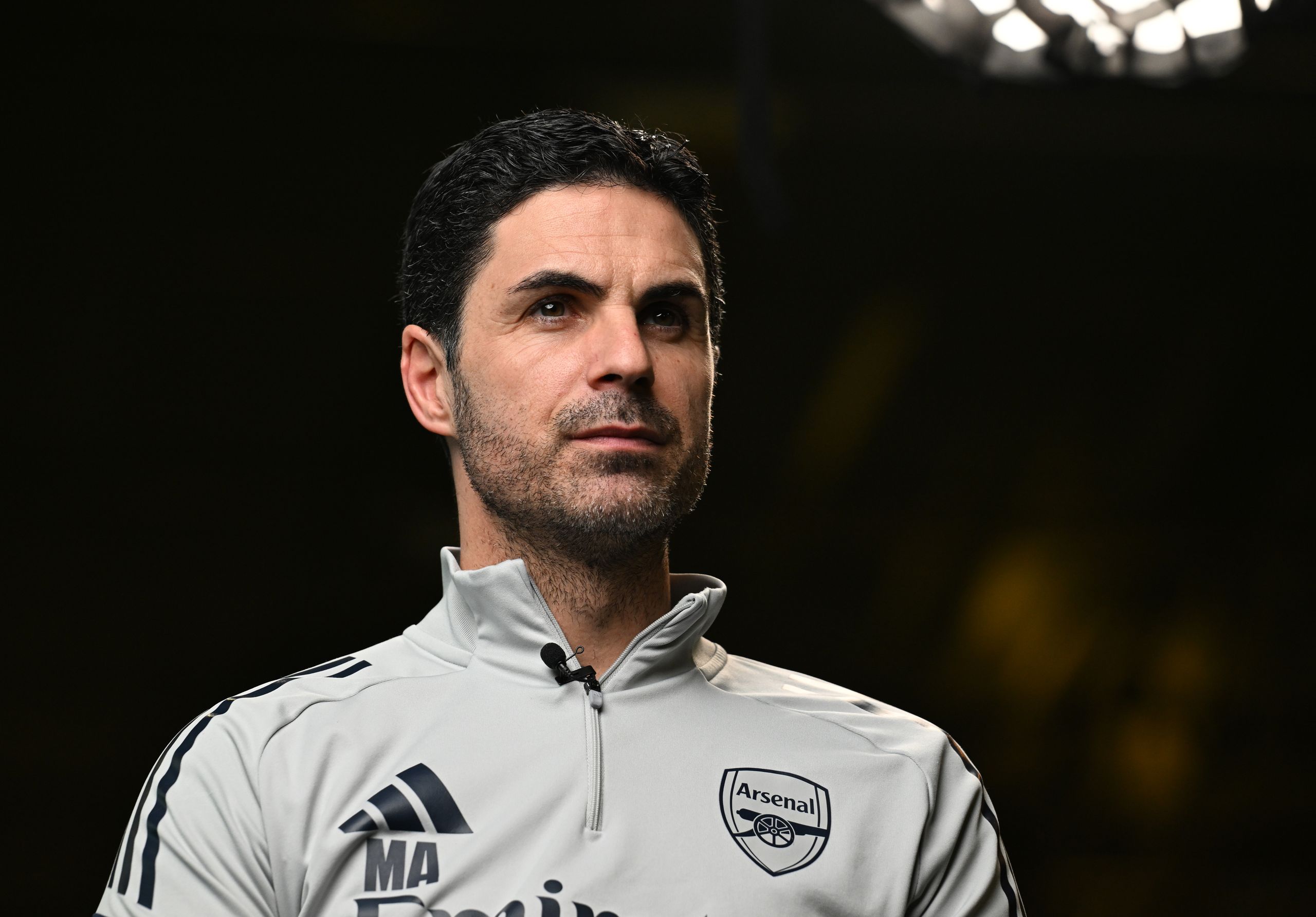
The status of Gedson Fernandes
Tottenham Hotspur confirmed earlier today that midfielder Gedson Fernandes will miss the start of the 2026/27 campaign due to a grade two hamstring tear. The injury occurred during a high-intensity shuttle drill in Monday morning's session at Hotspur Way.
Manager Roberto De Zerbi addressed the situation at his briefing, confirming the medical staff expects a recovery window of at least six weeks. The Portuguese international underwent an MRI scan late yesterday evening which revealed significant fiber disruption in the proximal tendon.
The tactical fallout
Losing Fernandes disrupts the specific midfield rotation De Zerbi planned for the opening month. He was expected to anchor the pivot alongside Yves Bissouma during the season opener against Leicester City.
This vacancy forces a tactical pivot. Tottenham now holds limited cover for the box-to-box role, pushing younger academy prospects into the matchday squad earlier than anticipated. It is a recurring nightmare for the club, which has struggled to maintain rotation health over the last three seasons.
The broader medical context
Hamstring injuries in July have become a persistent problem for mid-table and top-four contenders alike. Research into pre-season training loads suggests that the transition from tactical drills to full-blown competitive sprints frequently results in these specific soft tissue setbacks.
As reported by Sky Sports, the club remains thin in creative depth. This injury exposes a failure to adequately stress-test the squad depth during the window. Having only three natural central midfielders available for the first four games creates a bottleneck.
Historical precedents
History repeats itself at Hotspur Way. In 2024, a similar cluster of hamstring issues plagued the squad in the lead-up to the opening fixture, resulting in a three-match winless streak to start the year. Managing fitness peaks continues to be a point of friction between the coaching staff and the performance department.
The club has consistently prioritized high-pressing, high-output training sessions under De Zerbi. While this builds the chemistry needed for late-season pushes, it leaves the roster hypersensitive to muscle strains in July and August. Statistics show the team suffers roughly 3.5 muscle-related injuries per pre-season on average.
Implications for the bench
With the transfer window reaching its late stages, the board faces a difficult decision. They can either dip into the market for a stop-gap loan signing or trust the internal pipeline. Both options carry risk.
A loan move for a proven Premier League talent would cost upwards of 10 million in wages and fees. Alternatively, trusting youth risks dropping points against mid-tier opposition. The current squad construction suggests a reliance on versatility over depth, a dangerous game to play.
Rehabilitation and timeline
Fernandes will remain in North London for the entirety of his rehab program. He is currently restricted to lower-body stabilization exercises and hydrotherapy. The medical team plans to re-evaluate his progress on August 15 before allowing him to increase his range of motion.
If recovery proceeds without incident, look for a return to group training by mid-September. The worst-case scenario puts his return for the North London derby, a game the club cannot afford to enter at less than full strength. The pressure on the physio suite has not been this high since the 2025 injury crisis.
A recurring strategic failure
Critics point to the lack of player rotation during the recent international summer tour. Despite warnings about pitch quality and travel fatigue, several starters played over 180 minutes in less than a week. The injury report is now the bill coming due for that lack of moderation.
Management must now navigate three matches with a compromised engine room. Success during this period will define whether the team is a top-four finisher or a side destined for another season of mid-table mediocrity. The margin for error is effectively zero.
Read Next
- Mathys Tel injury sparks major concern for Tottenham during Australia tour
- Mathys Tel's free-kick wizardry won't fix Tottenham's persistent flaws
- Chelsea injury update following the Western Sydney goalfest
- Cristian Romero to Inter Milan rumor heats up as Lautaro Martinez steps in
- 🏆 Europa League Final 2026 — Full Coverage Hub