The quiet momentum shift behind FIFA's grand plan
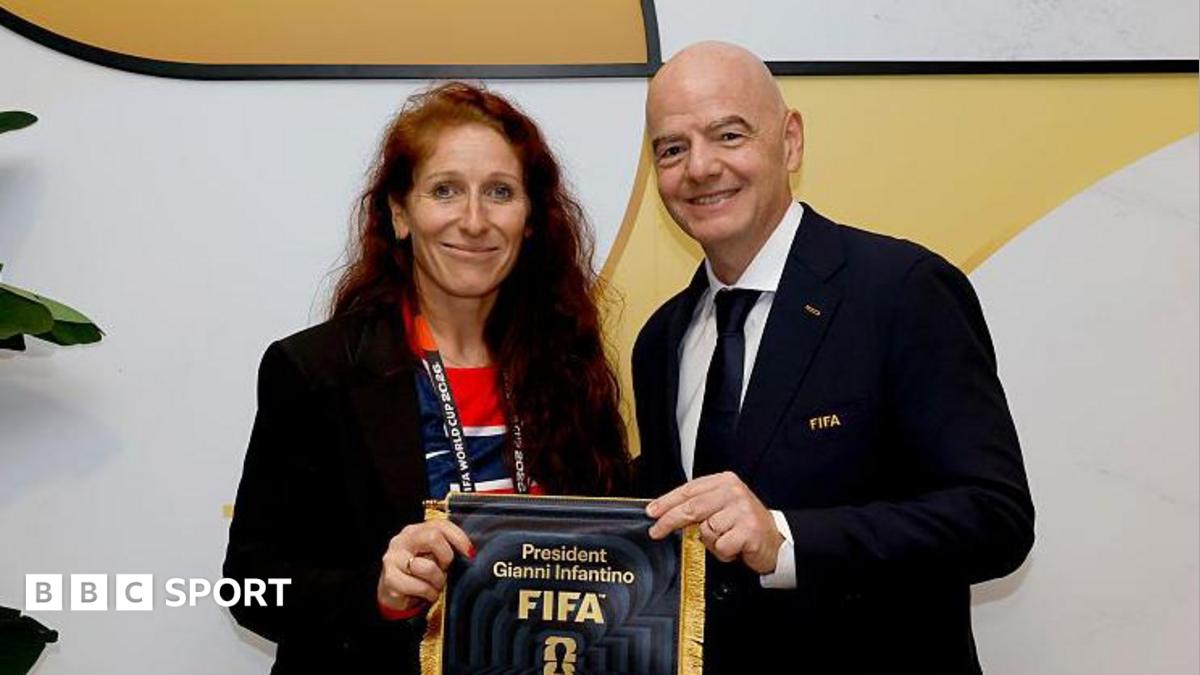
European traditionalists have spent months dismissing Gianni Infantino’s latest restructuring scheme as an absurd commercial stunt. Yet behind closed doors at regional congress meetings, the political arithmetic is tilting heavily in favor of Zurich. As The Mirror reported, Infantino’s controversial World Cup expansion has now picked up public endorsement from a president representing one of FIFA’s 211 member associations.
That endorsement isn't just a random vote of confidence; it is an ominous sign for UEFA. Nyon has relied on its elite European bloc to stall FIFA's calendar expansion, but Infantino continues to weaponize voting power across smaller federations. When one member breaks rank to publicly validate Zurich's vision, it exposes the cracks in Europe's defensive line.
Tactical maneuvers in the boardroom
Infantino operates less like a traditional administrator and more like a private equity general partner hunting for untapped yield. By expanding international tournaments, FIFA guarantees more inventory, larger broadcasting packages, and direct revenue distribution to member nations who rely on those annual grants to survive. A single vote from a minor confederation carries the exact same weight as the German FA, and Infantino knows how to price that equity.
UEFA finds itself pinned inside its own 18-yard box. Their counter-strategy—blocking calendar shifts through labor unions and player workload complaints—is failing to resonate with federations outside Europe. When a smaller association looks at Infantino's proposal, they don't see player fatigue or schedule congestion; they see guaranteed cash inflows and direct access to top-tier international competition.
The real cost of Zurich's expansionism
The tactical flaw in Infantino’s aggressive scaling model is dilution. Pushing more teams and longer cycles into an already saturated calendar creates a structural bottleneck for domestic leagues and international qualifiers alike. The top 1% of players are already logging over 5500 minutes per season, and adding high-intensity fixtures in mid-summer tournaments will inevitably degrade the quality of play on the pitch.
We are watching a classic mismatch between governance politics and athletic limits. FIFA is betting that football fans will consume an unlimited quantity of matches regardless of fixture quality, while UEFA is rapidly running out of leverage to stop them. If Infantino continues peeling off votes from member associations one by one, Europe's resistance will collapse before the next congress even convenes.
What to watch for in the coming months
Keep a close eye on the mid-tier European federations. If Infantino manages to secure public endorsements from eastern or southern European associations, UEFA's unified front vanishes overnight. Watch the voting blocs in the next FIFA council meeting—the key metric won't be speech length or media statements, but how quickly opposition motions are tabled and killed in committee.
Zurich holds the momentum, the capital, and the votes. Unless UEFA offers a revenue-sharing alternative that matches FIFA's payout guarantees, Infantino will push this overhaul across the line without breaking a sweat.
The Verdict
Expect FIFA to formalize broader backing for the expanded model before the end of the current cycle. Infantino has calculated the math, locked down the voting margin, and will secure his full vision with a comfortable 68% majority when the formal vote hits the floor.
Read Next
- Tottenham's pre-season trip to Sydney raised more questions than answers
- The new PL kits are out and the internet is already losing its mind
- Top 10: Defining Football Moments of the 2026 Pre-Season
- Steve Clarke is gone and the Tartan Army is in a full-blown civil war
- 🏆 World Cup 2026 — Full Coverage Hub