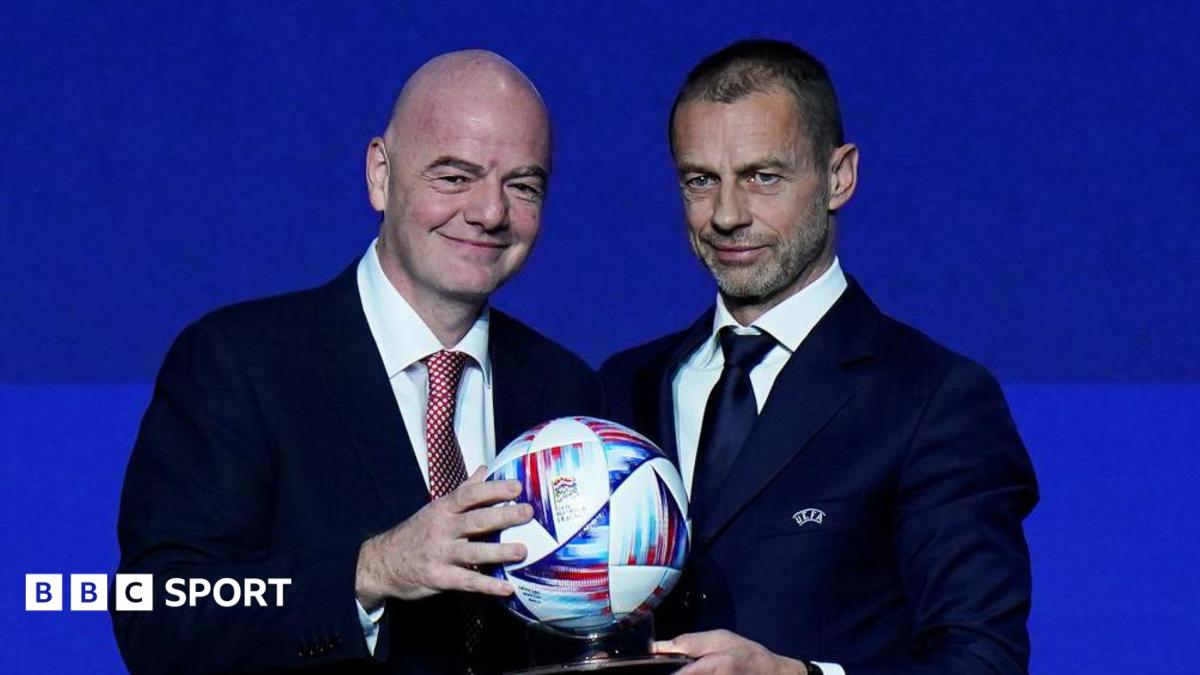
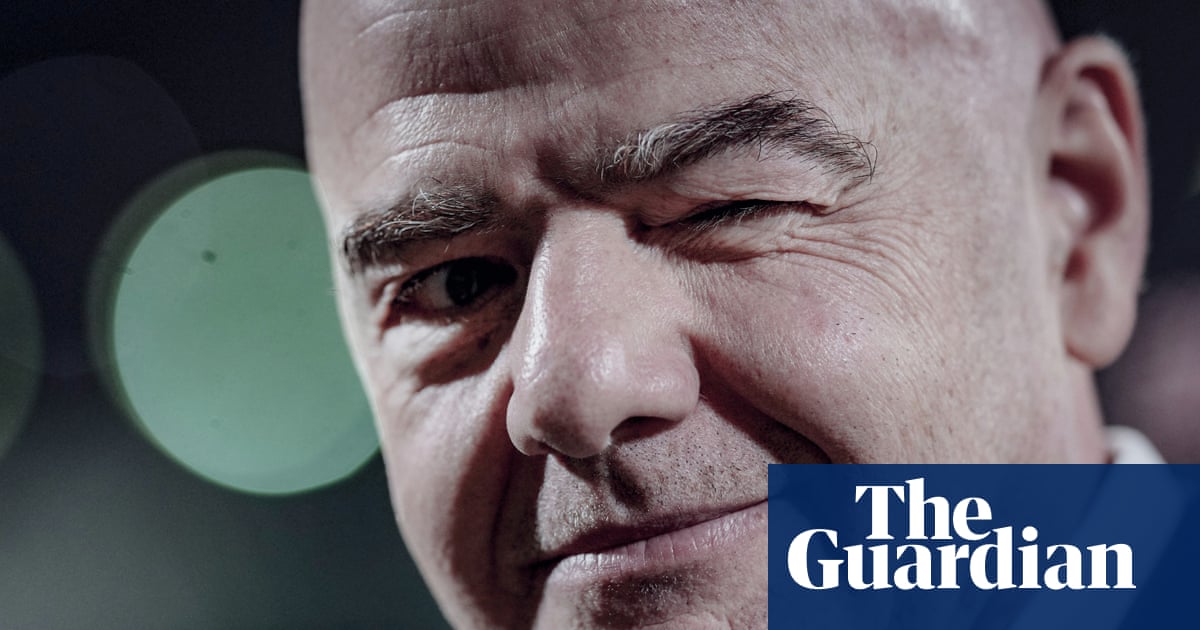
Infantino finds backing from unexpected corners
Gianni Infantino’s controversial agenda to reshape the international football calendar has received a fresh shot in the arm. The FIFA President has faced severe opposition from UEFA and South American confederation CONMEBOL over proposed reforms to the World Cup hosting cycle, but public backing from within FIFA's 211 member associations is beginning to resurface.
While European heavyweights remain unified in their rejection of a shortened tournament cycle, smaller member nations are quietly endorsing the overhaul. The dispute continues to tear at the seams of global football governance, setting up a prolonged political battle between FIFA headquarters in Zurich and UEFA's base in Nyon.
The battle for international football's future
UEFA leadership has repeatedly warned that altering the established four-year cadence would severely dilute the prestige of football’s flagship event. European stakeholders also harbor deep concerns over player workload, congestion in domestic league schedules, and the commercial cannibalization of continental competitions like the European Championship.
However, Infantino’s team has persistently targeted federations outside Europe and South America, arguing that more frequent tournaments offer expanded commercial revenues and greater competitive access for developing football nations. For many smaller member associations, the financial incentives promised by FIFA outweigh the calendar congestion issues raised by Western European elite clubs.
A house divided over revenue and schedule density
The rift exposes a fundamental ideological divide in modern sports administration. UEFA and elite European clubs operate under heavy domestic and continental match loads, where adding international fixture density threatens their primary assets—the players.
Conversely, FIFA relies heavily on the World Cup as its primary engine for income distribution to smaller associations worldwide. With member support beginning to leak out publicly despite opposition from top-tier European leagues, Infantino appears willing to leverage the sheer voting power of FIFA's broader membership to force structural changes through the global body.
What happens next in Zurich and Nyon
The political maneuvering is far from over. UEFA has previously hinted at boycotting proposed reform initiatives alongside CONMEBOL, which could lead to a catastrophic split in global football if FIFA pushes forward without consensus.
For now, Infantino holds a fragile political advantage due to FIFA’s one-member, one-vote voting system. Yet without the co-operation of Europe’s elite clubs and star players, any revised competition format risks losing the very prestige FIFA aims to commercialize. The coming months will determine whether this public support marks the start of a broader administrative coup or just another round of political posturing.