
Infantino is gambling with the game’s soul
The financial engineering of the beautiful game
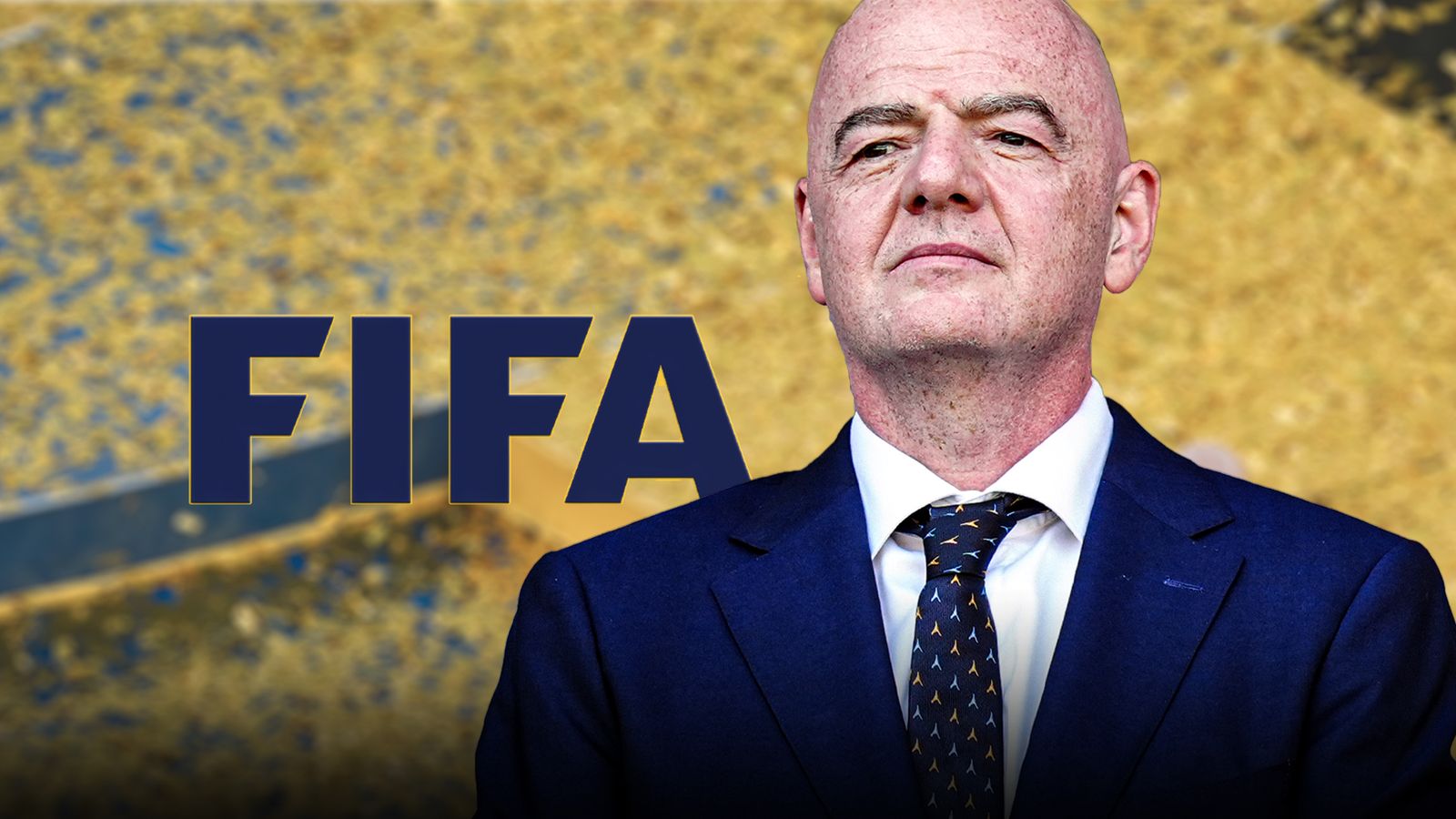
Gianni Infantino has spent the last month attempting to normalize a concept that, until recently, would have been considered professional suicide: private equity in the World Cup. The FIFA president’s recent proposals regarding the commercialization of competition stakes have hit a wall of internal and external resistance. It is not just the usual suspects like Andy Burnham leading the charge anymore. We are seeing a rare, public fracture within the house of FIFA itself.
The chief operating officer has gone on record questioning the logic of selling off parts of the organization’s crown jewel. When an internal executive makes their dissent public, it suggests the financial modeling presented to the board is likely as precarious as the political fallout. Infantino maintains that FIFA is not selling football, but the optics tell a different story. If the books were as healthy as the leadership claims, there would be no need to invite external venture capital to the table.
The diplomatic collapse
The resistance is no longer confined to European corridors. The Asian Football Confederation has officially joined the ranks of those opposing the move. This is significant because AFC support has long been the bedrock of Infantino’s political stability. When the regional confederations start signaling a boycott, the risk profile of these tournaments shifts from profitable to volatile.
The threat from UEFA is equally cold: boycott the tournaments entirely if the stake sales proceed. This isn’t a negotiation tactic; it is an existential standoff. If the world’s top talent is barred from the field because the governing body decided to play venture capitalist, the commercial value of the tournament collapses instantly. The loss of a senior advisor, who resigned following the announcement, further underscores the isolation of the current administration.
The structural failure of the plan
We need to look at what this means for the game’s mechanics. Football thrives on a degree of predictability regarding its competition structure, yet these proposals introduce layers of corporate oversight that are inherently antithetical to sports governance. If you grant an equity holder rights to tournament revenue streams, you effectively grant them a seat at the table for rule changes, scheduling, and host selection.
This is a fundamental shift in authority. We are seeing the fallout described in reports from Sky Sports, where the defensive posturing from FIFA headquarters is becoming increasingly frantic. They claim no sale is taking place, yet the market chatter suggests a massive cash-grab operation designed to patch over long-term structural deficits.
There is an irony in the BBC reporting that the COO has prioritized sleep over solidarity with the president. That single remark speaks volumes about the morale inside the building. When your chief operator sleeps better after breaking ranks, you have lost control of the organizational narrative. The 3.2 billion dollar revenue figures often touted by the leadership are now being scrutinized with a level of aggression we have never seen before.
Predictability vs. profit
Modern football governance seems obsessed with growth at the expense of stability. We saw this with the failed Super League project, which fell apart because it underestimated the fan base’s loyalty to tradition. Infantino is making a similar calculation error. He assumes that private equity money will be welcomed as a savior for competition development, ignoring the fact that it strips away the autonomy of the national associations.
The decision to pursue these stakes is a move of desperation. If they cannot sustain their current spending without selling off the product, the product itself is failing. History shows that when regulators start acting like hedge fund managers, the quality of the competition suffers. The 100% control of a FIFA-sanctioned tournament is a barrier to entry that they are foolishly lowering for a quick injection of liquidity.
We are watching a slow-motion car crash. Between the loss of key personnel and the threat of a full-scale boycott, the path forward is narrow. Infantino has until the next congress to reverse course, but pride usually prevents such pivots. Football fans should be concerned that the next 18 months will be defined by boardroom litigation rather than what happens on the pitch.
Roku Streaming Stick 4K | Streaming Device 4K/HDR/Dolby Vision with Roku Voice Remote and TV Controls
The easiest way to stream every match in 4K.
Frequently Asked Questions
Why are there concerns about FIFA selling World Cup stakes?
Which organizations are opposing Infantino’s proposal?
How has the internal reaction at FIFA been described?
What is the primary motive behind FIFA’s proposed financial changes?
What could happen if UEFA boycotts the World Cup?
More Coverage

Ex-Spurs defender Ramon Vega launches long-shot bid for FIFA presidency
2 weeks, 3 days ago
Top 10: World Football's Biggest Storylines, Scandals, and Shocks of 2026
2 weeks, 4 days ago
Why Man City fans are fighting the entire internet after their guilty verdict
2 weeks, 4 days ago
When even the Swiss abandon you, your FIFA presidency is officially cooked
2 weeks, 6 days ago
Aleksander Ceferin is right about Infantino, but UEFA has no plan B
3 weeks, 4 days ago
Premier League's £1.8B EFL peace deal is pure survival panic
1 month agoMore Analysis
Ex-Spurs defender Ramon Vega launches long-shot bid for FIFA presidency
2 weeks, 3 days ago
Top 10: World Football's Biggest Storylines, Scandals, and Shocks of 2026
2 weeks, 4 days ago
Why Man City fans are fighting the entire internet after their guilty verdict
2 weeks, 4 days ago
When even the Swiss abandon you, your FIFA presidency is officially cooked
2 weeks, 6 days ago
Aleksander Ceferin is right about Infantino, but UEFA has no plan B
3 weeks, 4 days ago