The end of the road for FIFA's president
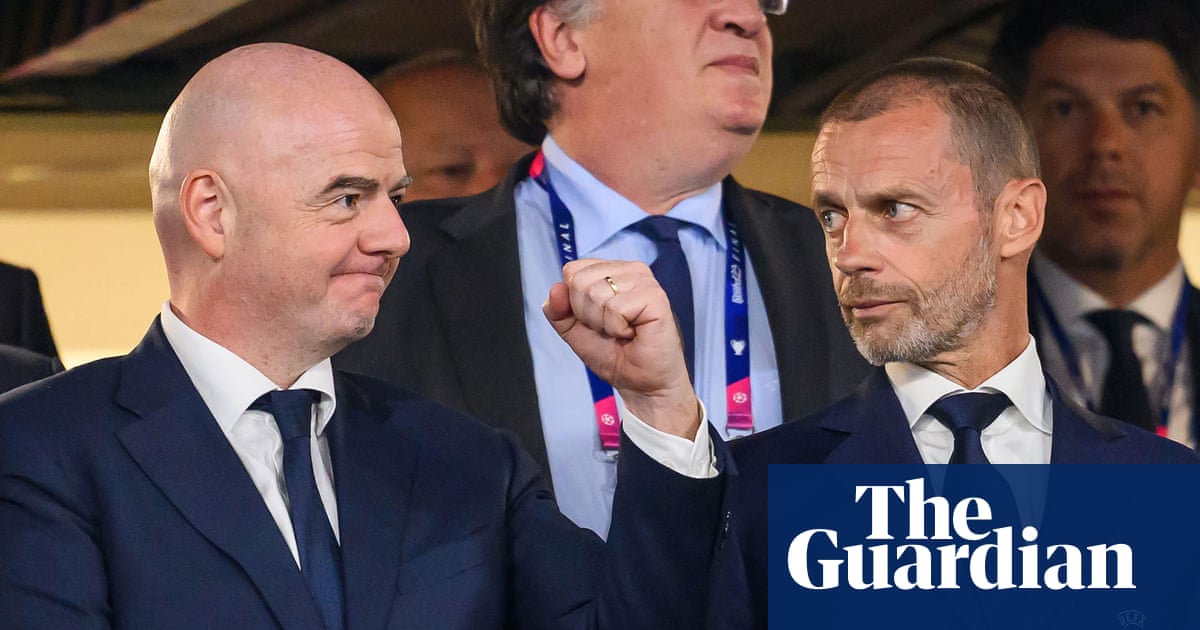
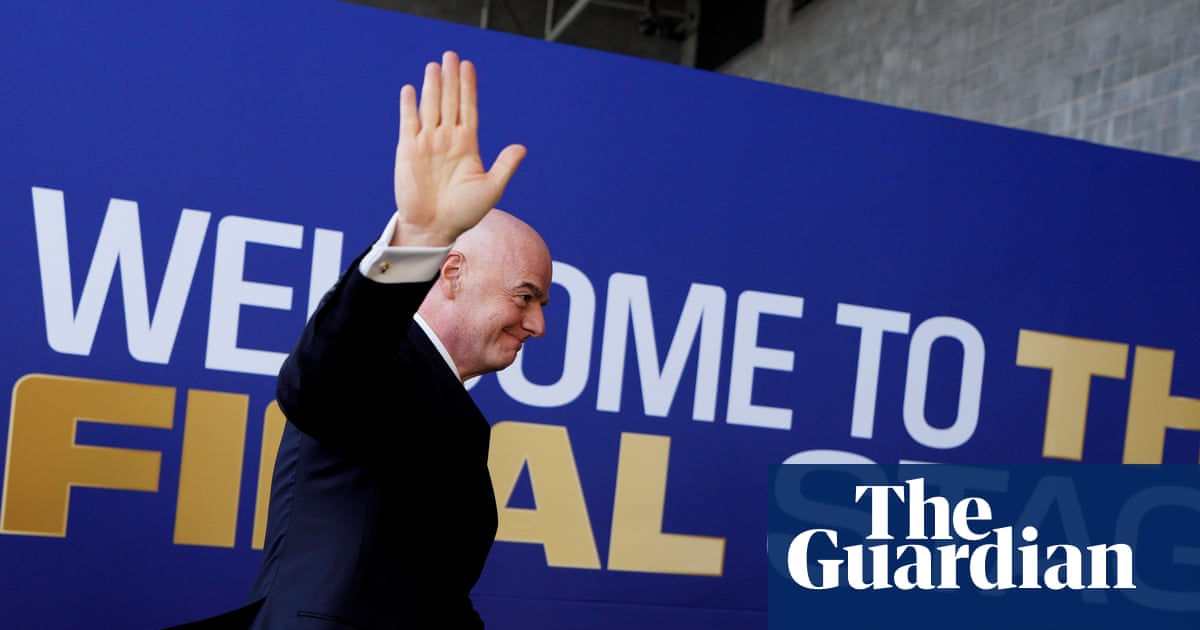
Gianni Infantino finds himself in an untenable position as July 2026 winds down. His latest attempt to sell stakes in the World Cup has triggered a revolt among member associations that view the move as a betrayal of football's international mandate. The proposal, which essentially treats the most significant tournament on earth as a liquid asset, has shifted his status from powerful executive to administrative liability.
As reported by the BBC, the internal pushback against Infantino is no longer limited to regional federations in Europe. The discomfort has reached the voting blocs that traditionally kept him in power. Selling equity in the competition creates a financial dependency that risks the neutrality of future host selections, a move many delegates are now explicitly labeling as a line they will not cross.
The structural failure of the proposal
Infantino operates with a tendency to view football governance through a corporate finance lens rather than a sporting one. This shift toward part-privatization is the logical, albeit catastrophic, conclusion of his long-term strategy to commercialize every corner of the game. By offering shares of the World Cup to external entities, he has inadvertently handed his opponents the ammunition they needed to force a vote of no confidence.
The mathematical reality is stark. According to analysis by FourFourTwo, the resistance is building across all six confederations. His attempt to streamline funding has instead created a power vacuum. If he cannot secure the financial backing of the major broadcast partners, his tenure will effectively end before the next cycle begins.
The candidates waiting in the shadows
The talk inside the corridors of Zurich is no longer about whether Infantino survives, but who replaces him. Potential successors are already signaling their readiness to roll back these controversial financial policies. A shift in leadership would likely focus on re-establishing the non-profit status of the tournament to appease angry federations.
The skepticism is justified. The organizational fatigue caused by constant changes to the tournament format has left the membership exhausted. If a transition occurs, the priority will be stabilizing the revenue stream without sacrificing the integrity of the bidding process. The current administration has clearly overestimated its ability to treat the World Cup as a private equity play.
A flawed game plan
Infantino's greatest weakness remains his inability to read the room. He assumes that because the top-line revenue figures continue to grow, the membership will tolerate the loss of institutional sovereignty. This is a tactical miscalculation. The stakeholders care more about their influence over host decisions than they do about a cash injection from an investment firm.
Ultimately, the move toward privatization is a desperate reach for liquidity that signals a lack of confidence in his existing fiscal models. By the time the next congress meets, I expect Infantino to be forced into a resignation. He has alienated his base, and in the high-stakes world of FIFA politics, 0 votes in the wrong committee is the only stat that matters. The clock is ticking on an era that prioritized profit margins over the sport itself.