The emergency at Montreal
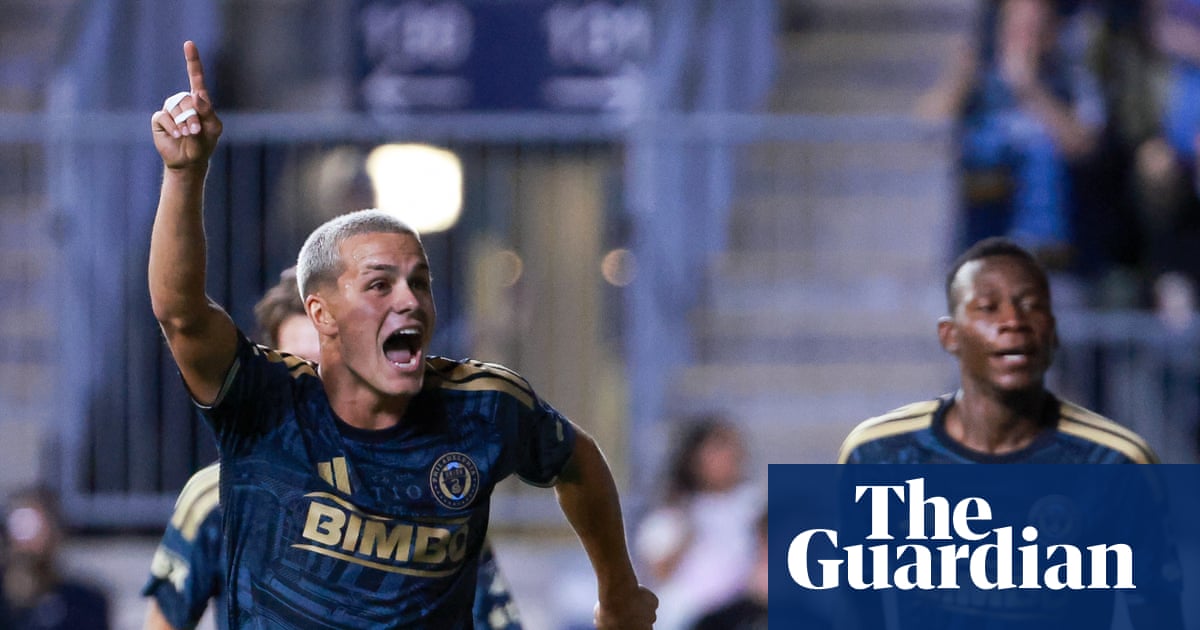
Inter Miami forward Germán Berterame was rushed to a local hospital following a severe head injury during the club's match against CF Montreal. The incident occurred following an aerial collision that drew an immediate, panicked reaction from players on both sides of the pitch.
Witnesses confirmed Berterame lost consciousness before he appeared to suffer a seizure while stationary on the turf. Medical staff from both clubs rushed to his side within seconds to stabilize him before he was taken away by ambulance. The immediate concern for the medical staff was spinal immobilization and the management of a significant traumatic brain injury.
Protocol and timeline for recovery
Concerns regarding concussion protocols for high-intensity athletes are now front and center for the Inter Miami backroom staff. While the club has not released a detailed clinical report as of July 26, 2026, standard recovery for a Grade 3 concussion involving loss of consciousness and seizure activity requires a multi-week observation period.
Medical professionals note that athletes suffering from post-traumatic seizures must undergo a battery of neurological assessments before even considering a return to light aerobic activity. Inter Miami fans are familiar with the risks associated with the high-speed style of MLS, but seeing a player incapacitated on the stretcher represents a grim turn for the remainder of their season.
Industry standards vs. clinical reality
The league has faced criticism in recent years regarding its speed in clearing players for contact training after head trauma. Critics point to the reliance on baseline neurocognitive testing that occasionally masks latent symptoms of CTE or secondary impact syndrome. If doctors identify any structural damage during the initial hospital scans, Berterame faces an indefinite absence.
Historically, MLS has fluctuated in its approach to head injuries, often prioritizing the pressure to keep stars on the field. However, after the incident in Montreal, the optics of the situation forced an immediate cessation of the match tension as players from both teams abandoned their tactical focus to assist the medical team. This highlights a persistent flaw in match officiating, where play often continues for vital seconds after a player has clearly sustained a debilitating injury.
Strategic impact on Miami
Tactically, this leaves Lionel Messi and the remainder of the Miami attacking unit without one of their primary outlets in the final third. The loss of Berterame forces a rotation of the squad at a time when the team is attempting to bolster its standing in the conference rankings. Without a clear timeline, the coaching staff must pivot toward a more conservative formation to protect the defense while waiting for updates on their forward's neurological status.
The club's management has historically flirted with high-profile defensive moves, such as rumors surrounding goalkeeper Vozinha, who recently gained a massive following for his performance against Messi as reported by the Daily Mail. However, Berterame’s situation underscores that recruitment strategies often fail to account for the physical attrition rate expected over a long season.
While players like Youri Djorkaeff have noted in interviews with FourFourTwo that career trajectory shifts based on unexpected events, the reality for Berterame is now purely a matter of personal health. Any return date speculated before the results of his brain imaging are public would be irresponsible. The club is expected to issue a brief statement within the next 48 hours.
The impact is undeniable: Inter Miami now ranks as one of the most volatile squads in the league due to both elite star power and inconsistent injury management. Players are currently listed at a recovery threshold that spans from 4 to 8 weeks in similar neurological cases. For now, the team must operate without certainty.
Read Next
- Vozinha is 40 and remains the biggest transfer anomaly of the summer
- Vozinha is choosing immortality over a South Beach retirement home
- Austin FC Academy faces FBI and police probe into criminal allegations
- Top 10: The Austin FC Academy Crisis
- 🇦🇷 Argentina World Cup 2026 — Defending Champions Hub
- ⚽ MLS 2026 Season Hub — World Cup Year Guide