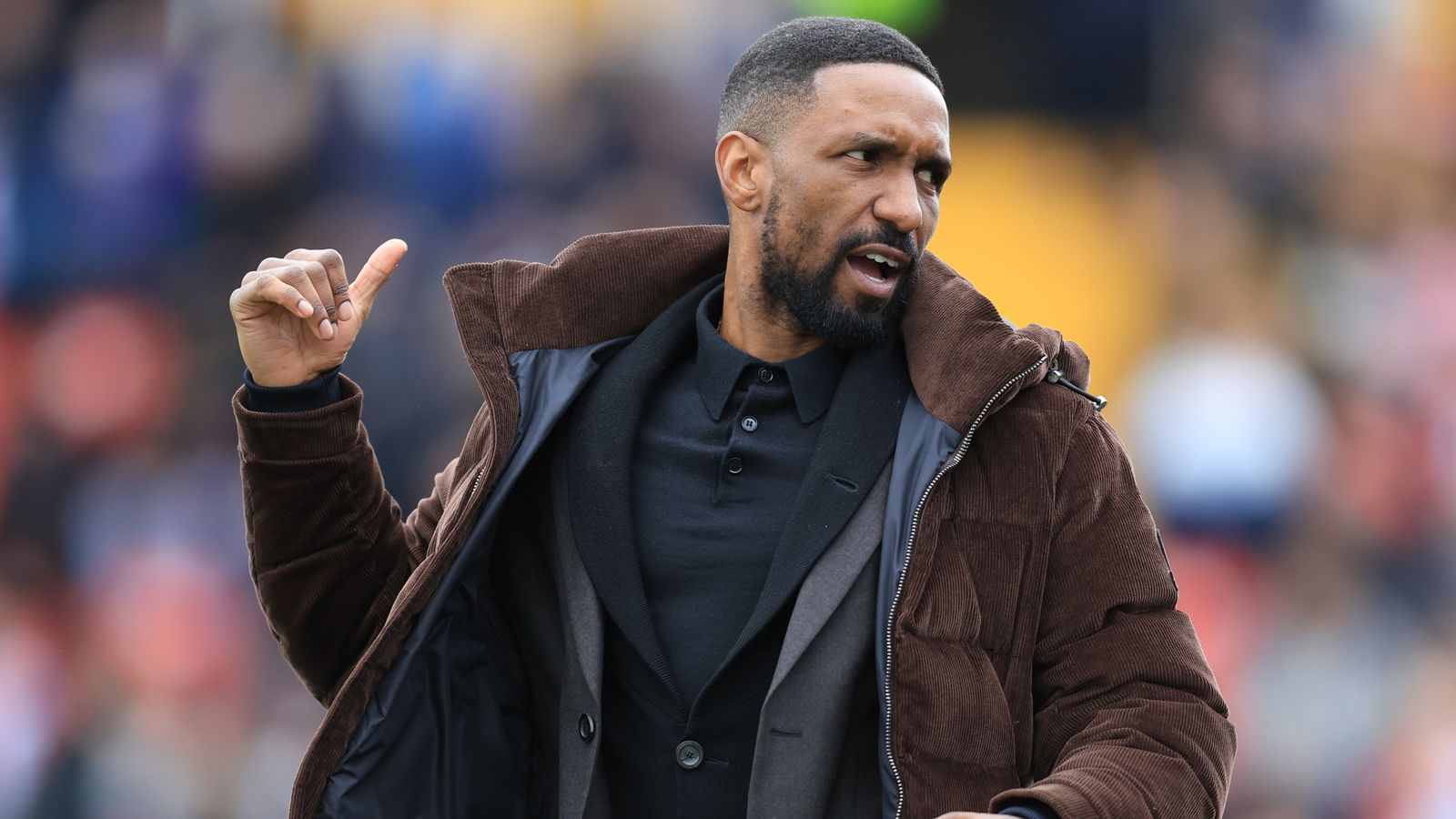
The Woking experiment goes up in smoke
Let's skip the PR fluff about mutual consent and paths diverging. Jermain Defoe, a man who built a career on finding the back of the net with cold-blooded efficiency, just found out that managing a National League side is a completely different beast than tap-ins at the Lane. When the news dropped that Woking had pulled the plug, most of us were already bracing for the autopsy.
Jody Brown, the director of football at Woking, confirmed the inevitable when he admitted to growing concerns that had been festering inside the club for weeks. It’s the classic football story: bring in a big name to sell tickets and generate buzz, only to watch the actual tactical application fall apart like a soggy pie crust in the rain. Defoe is a legend, but coaching at this level requires a level of grit and granular attention to detail that doesn't always translate from being a celebrated striker.
The disconnect between pedigree and the dirt
There is a massive chasm between understanding how to drift between center-backs for a decade and trying to get a squad of part-timers to hold a defensive shape against a relentless high press. You can’t just rely on instinct when you’re managing teams that operate on paper-thin margins. When the results don’t follow the resume, the locker room senses blood in the water faster than a shark in a feeding frenzy.
Brown’s admission signals exactly what we feared: the vibes were off and the confidence was hemorrhaging. It’s a harsh reminder that football club hierarchies are ruthless. You can be the savior in July and a liability by August if the structure isn't there to support the ambition. Defoe clearly walked into a situation where the reality of the National League beat the living hell out of his tactical vision.
The missed opportunity in Surrey
This isn't just about Defoe failing; it's about the club gambling on a brand over a blueprint. Woking needed stability and structure, yet they chased the headlines. You look at the drop-off in performances and it’s clear the communication flow between the dugout and the boardroom had essentially ceased to exist.
It’s genuinely painful to see someone who loved the game so much struggle to make the transition, but sentimentality doesn't win points. Defoe might have the knowledge, but he lacked the political maneuvering it takes to survive in a league that eats managers for breakfast. The dismissal is the right move for the club, but it leaves both parties in a weird spot. Woking needs to find someone who actually knows the dirt-road geography of this division, and Defoe needs to decide if he’s built for the managerial grind or if he should take a job as a pundit and stay away from the sideline drama.
The takeaway here is simple: name recognition doesn't fix a team that can’t execute a simple transition. Woking learned that lesson the hard way, and they have the hole in their season trajectory to prove it.