The 4-1 Statement at Elland Road
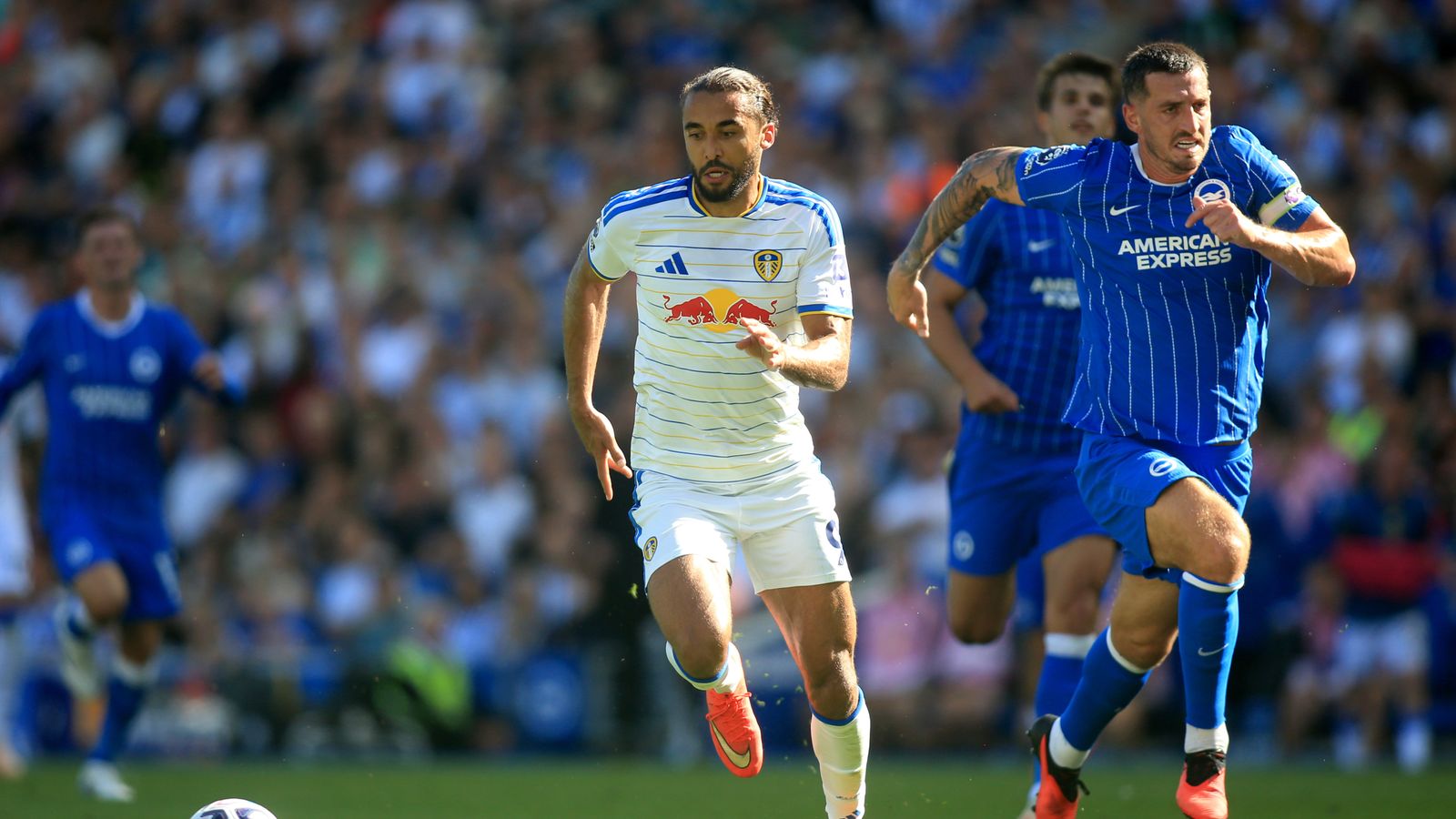
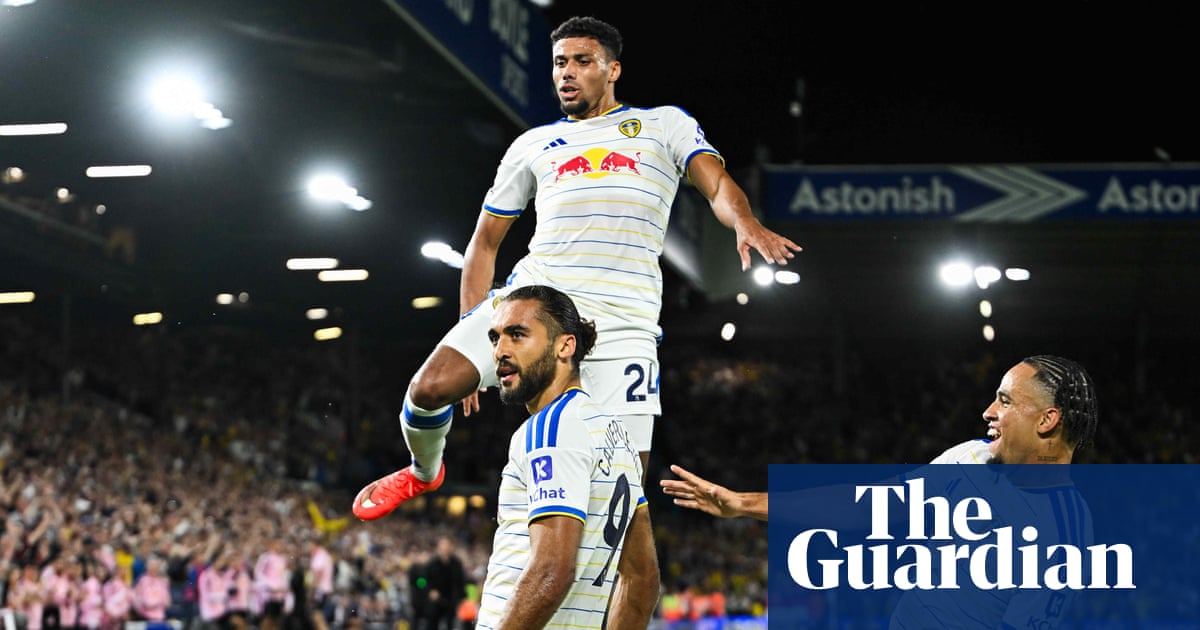
Leeds United's 4-1 demolition of Newcastle United on Monday night was not merely a victory. It was a tactical dismantling executed with ruthless mathematical precision under the Elland Road lights.
For ten years, Elland Road has endured a chaotic stomach-churning roller coaster ride. Fans suffered through banter eras, revolving boardrooms, promotions, relegations, and managerial volatility. Now, that turbulence has surrendered to structural discipline.
The opening two goals established the pattern early. Leeds capitalized on defensive lapses caused by their suffocating front three, forcing Newcastle into rushed clearances that repeatedly landed at the feet of Leeds' midfield runners.
By the time Newcastle registered a meaningless late consolation goal, Leeds had already amassed an expected goals differential of 2.85 to 0.42. They left Matthias Jaissle’s side literally chasing shadows across the pitch.
The victory propelled Daniel Farke’s squad into 3rd place in the Premier League table. In doing so, Leeds leapfrogged top-four contenders Hull City and signaled a profound shift in top-flight power dynamics.
As reported by The Guardian, the performance felt like the arrival of long-overdue stability after a decade of institutional upheaval.
Deconstructing the Press: How Farke Broke Jaissle's Buildup
The 30-Minute Blitz
The game was effectively decided during a devastating 30-minute blitz in the first half. After racing to a 2-0 lead, Leeds dialed up their defensive intensity to unsustainable heights.
Farke’s side executed 14 high turnovers inside Newcastle’s defensive third over ninety minutes. Eight of those turnovers occurred within that single opening half-hour window.
Farke's press targeted Newcastle's wide center-backs whenever they attempted to play out from the back. By triggering a double-team on the touchline, Leeds repeatedly cut off the lateral escape routes.
Leeds won 68% of all second-ball ground duels between the 20th and 50th minutes. Newcastle’s midfield pivot was completely neutralized, unable to complete basic progressive passes under pressure.
Matthias Jaissle, struggling to fill the boots of Eddie Howe, looked shellshocked on the touchline as his team collapsed structurally.
"We couldn’t match the intensity and you see how difficult it can be to win a game in the Premier League."
Jaissle’s post-match concession highlighted the raw physical gulf between the two teams. Newcastle simply could not process the speed of Leeds' lateral shifts.
Spatial Control and Possession Efficiency
Leeds did not dominate by hoarding endless, passive possession. Instead, they weaponized spatial control, holding 54% of the ball while directing 71% of their attack through the half-spaces.
Newcastle were restricted to just 3 touches inside the Leeds penalty box during the entire first half. That is Newcastle's lowest first-half touch box output in over two seasons.
Compare this performance with other midweek results across the country. Liverpool ground out a tight 1-0 Milk Cup win over Tottenham, while Arsenal dispatched Ipswich 3-1 through methodical buildup play.
Leeds, by contrast, played with a ferocious vertical speed that forced turnover after turnover. They did not wait for mistakes; they manufactured them.
Three Years of the 49ers Era: From Chaos to Method
Erasing the B@nter Era
It has been exactly three years since 49ers Enterprises completed their takeover of Leeds United in 2023. The American ownership group arrived with ambitious talk of brand expansion, operational technology, and modern sports management.
For a long time, skepticism reigned among the Elland Road faithful. Fans had watched the magical Marcelo Bielsa years yield to panic hires.
Jesse Marsch secured dramatic final-day survival at Brentford before the club dropped through the trapdoor the following year. Subsequent short-lived reigns under Javi Gracia and Sam Allardyce only deepened the sense of institutional farce.
Today, those dark days feel thoroughly erased. Under Farke, Leeds rank in the 88th percentile for defensive recovery speed across European football.
The physical transformation is evident in distance covered per match. Leeds ran 118.4 kilometers against Newcastle, out-running their opponents by 6.2 kilometers over the course of ninety minutes.
Their pass-completion rate under opponent pressure has surged from 64% during their relegation campaign to 79% this season. The squad plays with a clarity of purpose that was completely absent three years ago.
Farke’s Caution and Lingering Tactical Flaws
Despite the euphoria surrounding their rise to third place, Farke was quick to douse the flames of overconfidence after the final whistle.
"It’s important we stay humble, down to earth and can’t allow ourselves to be too big-time or too carried away."
Farke’s urge for restraint is justified because the underlying numbers reveal clear tactical flaws that smarter teams will exploit. Leeds remain startlingly fragile when defending quick transitions after their own corner kicks.
This season, Leeds have conceded on 22% of high-xG counter-attacking sequences following lost offensive set pieces. Their aggressive full-backs frequently leave vast ocean channels exposed behind them.
Furthermore, Newcastle’s solitary 88th-minute consolation goal exposed a recurring lapse in concentration when Leeds hold comfortable multi-goal leads. Against clinical opposition, conceding late spatial freedom is a dangerous habit.
The Road Ahead: Testing Top-Four Credentials
To evaluate whether Leeds are genuine top-four contenders or merely riding a hot streak, one must look at the upcoming fixture calendar.
Leeds face just two matches before traveling to London to take on Arsenal at the Emirates Stadium. That fixture will serve as the ultimate acid test for Farke's pressing mechanics.
Arsenal currently lead the league in press-breaking passes per 90 minutes. If Leeds employ the same high-line gamble against Mikel Arteta's side, any structural gap will be punished immediately.
While Hull City have relied on defensive efficiency and low-block resilience, Leeds possess the offensive firepower to out-shoot mid-table opposition. Newcastle, meanwhile, have won just 2 of their last 8 matches since Howe's departure.
Here is how Leeds compare statistically against top-four competitors over their last five matches:
- Expected Goals For per 90: Leeds (2.12), Arsenal (2.05), Liverpool (1.88)
- High Turnover Shot Conversion: Leeds (18.4%), Arsenal (16.2%), Newcastle (9.1%)
- PPDA (Passes Allowed Per Defensive Action): Leeds (8.4), Liverpool (9.1), Tottenham (10.6)
- Set-Piece xG Conceded: Leeds (0.41), Arsenal (0.18), Liverpool (0.22)
The data paints a clear picture. Leeds belong in the top-four conversation based on pressing metrics and open-play chance creation alone.
However, their set-piece vulnerability and high physical toll could catch up with them during dense winter scheduling. Farke’s squad depth will be tested when rotation becomes mandatory.
For now, Elland Road is enjoying a rare moment of mathematical and emotional harmony. The chaos has receded, replaced by a side that presses with intent and scores with authority.
Whether Leeds can sustain this tempo at the Emirates Stadium remains the season's defining question. But on Monday night, they proved that their place near the top of English football is no accident.
Read Next
- Leeds tore Newcastle apart, and Daniel Farke's plan is finally clicking
- Why Arsenal's perfect start hides genuine warning signs ahead of Ipswich
- Roberto De Zerbi's Tottenham goal drought faces ultimate test at Anfield
- Bruno Guimaraes Shows Arsenal Growth as Milan Suffer Self-Inflicted Chaos
- 🏟 EFL Championship 2025-26 — Promotion Race & Play-Off Final Hub