The Diagnosis at Old Trafford
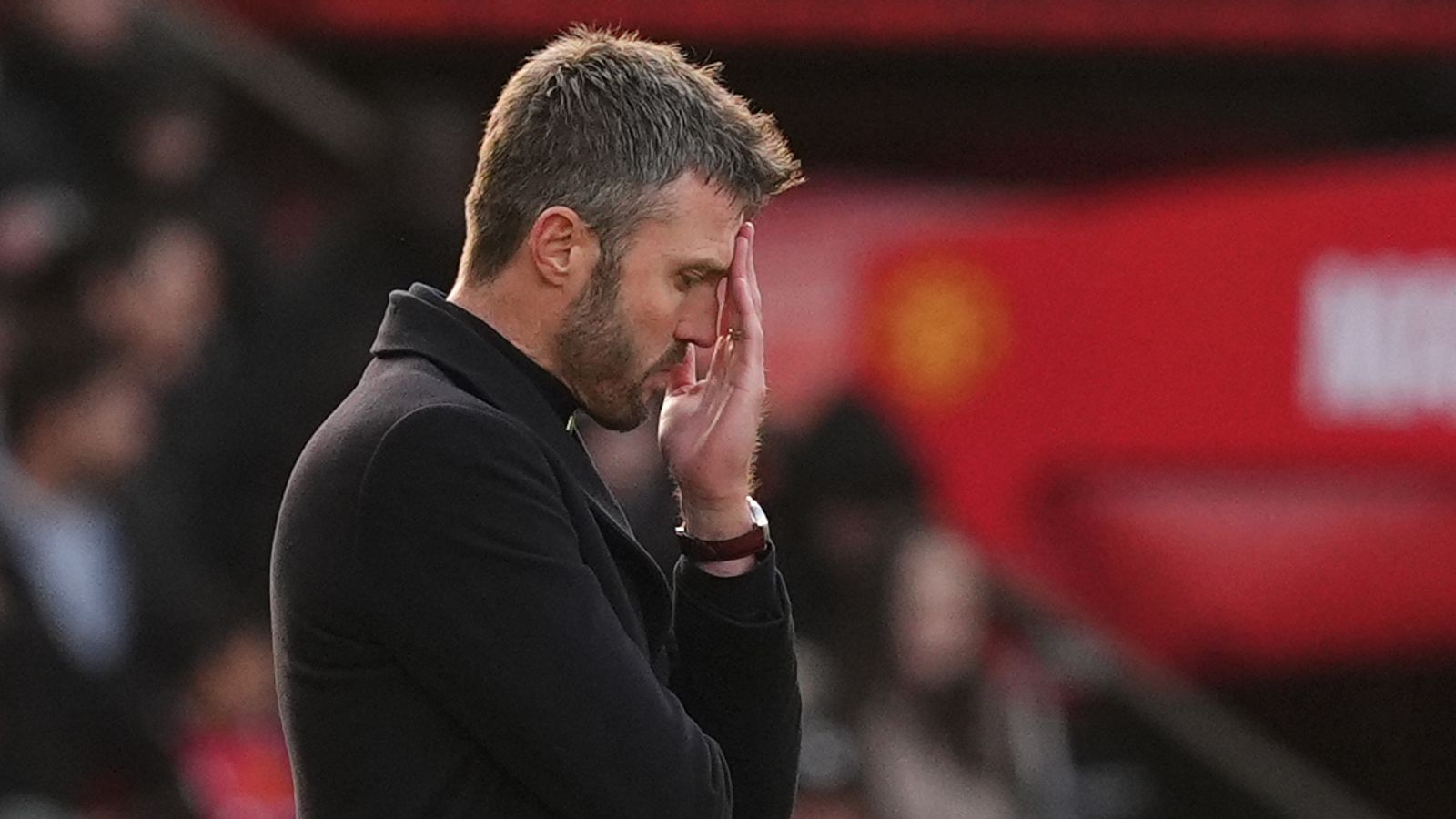
Manchester United are preparing to sack Michael Carrick. The club is moving toward another managerial termination as autumn sets in, following a disastrous week that stripped away any remaining illusions about his tactical authority.
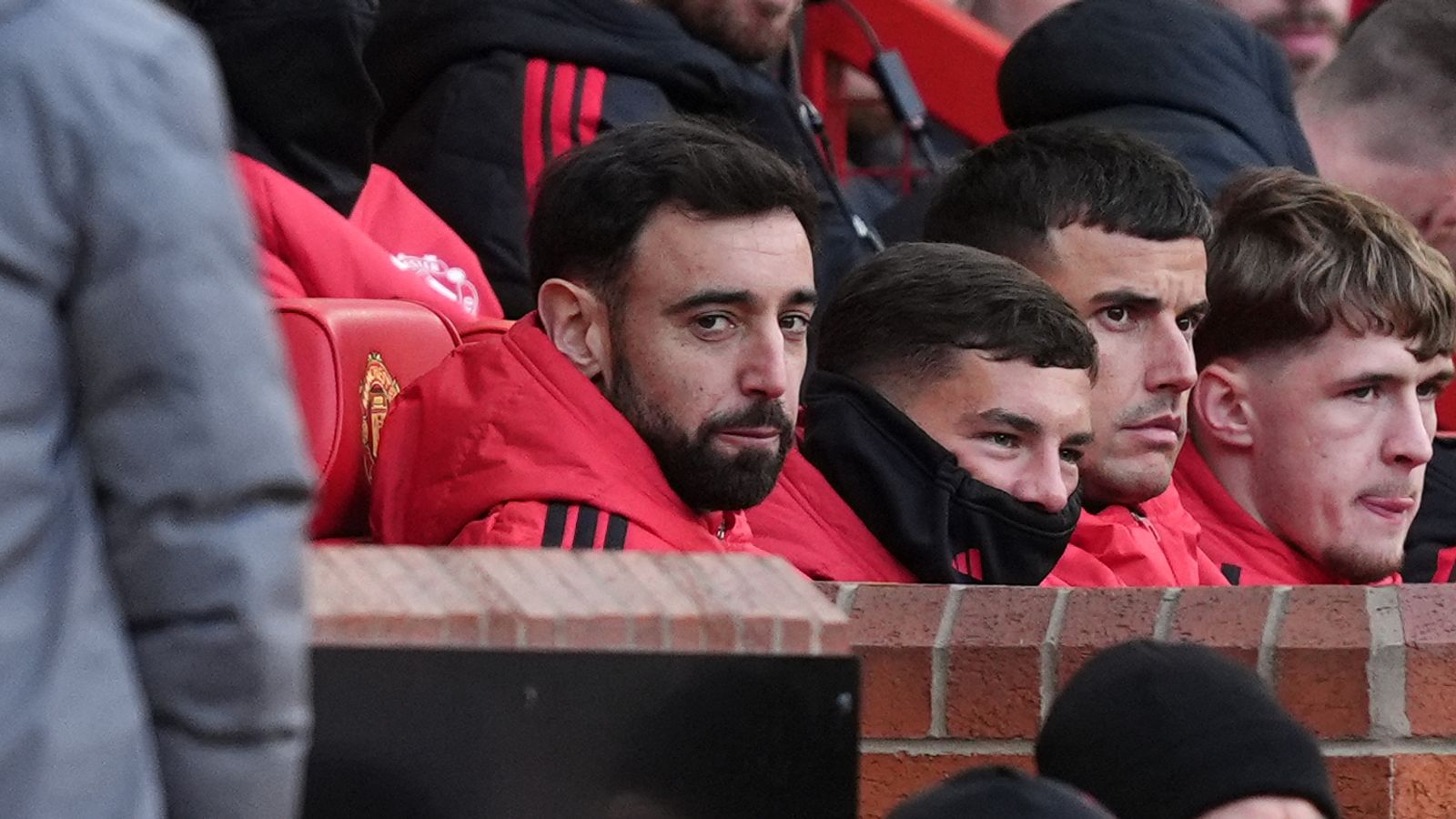
Sunday brought a humiliating 3-0 defeat at home against Bournemouth. That collapse followed hard on the heels of a 4-1 beating by Como last week. Two fixtures, seven goals conceded, and zero structural identity.
Carrick was handed the permanent job with hopes of stability. Instead, he looks completely out of his depth. The team plays with zero defensive cohesion and a complete absence of attacking clarity.
Autumn: season of mists, mellow fruitfulness and a crisis at Old Trafford.
As Jonathan Wilson reported in The Guardian, the signs were obvious from the minute United made his appointment permanent. Carrick simply is not up to the standard required. His game management is reactive, his substitutions appear sluggish, and the squad shows no response to his instructions when trailing.
The timeline for Carrick’s dismissal is now short. Decisions at Old Trafford happen fast when embarrassing home defeats mount up. The manager is the immediate casualty, but removing him solves virtually nothing.
Boardroom Failures Behind the Collapse
Focusing entirely on Carrick misses the wider organizational disease. United have burned through managers for thirteen years without establishing a functioning football operation. Blaming the man in the dugout is an easy escape for the executives who constructed this mess.
Director of football Jason Wilcox and chief executive Omar Berrada share heavy responsibility for this spiral. They made the permanent appointment. They shaped the recruitment strategy, and they approved a squad that cannot execute basic transitions against Bournemouth.
Above them sits Sir Jim Ratcliffe, the minority shareholder in charge of sporting operations. Ratcliffe arrived promising elite standards and operational discipline. What fans have actually received is aggressive cost-cutting and flawed football appointments.
The sporting hierarchy has failed to address the core structural deficiencies:
- A dysfunctional hierarchy where executive leadership avoids public accountability for sporting recruitment.
- A disjointed roster shaped by seven different managers across thirteen turbulent years.
- An ownership model that siphons resources while leaving Old Trafford with a symbolically leaking roof.
Old Trafford itself tells the story. The roof literally leaks during heavy rain, serving as a grim physical emblem of a decaying powerhouse. The most successful club in English league history has become a mid-table laughing stock.
United’s dressing room is a mismatched collection of conflicting styles. Seven managers have come and gone since 2013, each leaving behind expensive signings tailored to obsolete systems. No tactician can fix that disconnect overnight.
The Historical Roots of United’s Trauma
To understand why United are rotting today, you have to look back twenty-one years. The institutional damage began with a dispute over a racehorse. It is a classical sports tragedy driven by ego and financial greed.
The story started in 1999 when Mull of Kintyre won the Gimcrack Stakes at York. The horse belonged to Irish millionaire John Magnier. Magnier disliked public speaking, so he asked Alex Ferguson to deliver the winner's speech on his behalf.
The racing establishment refused. The rules required the actual owner to speak. Annoyed by the snub, Magnier registered Ferguson as the owner of another horse, Juniper, purely out of spite.
Juniper lost narrowly at York the following year, but Magnier remained determined to break the establishment’s rules. The next year, he registered Ferguson as co-owner of Rock of Gibraltar, an extraordinary thoroughbred that had won its first three starts.
Rock of Gibraltar won the Gimcrack Stakes easily. Magnier enjoyed his petty victory over the racing stewards while Ferguson delivered the speech. At the time, their relationship looked like an innocent alliance between wealthy sports figures.
Magnier and his business associate JP McManus soon began buying shares in Manchester United. Ferguson encouraged the move. He had fallen out with United chairman Martin Edwards and believed football clubs were prime investment opportunities.
Then Rock of Gibraltar turned into a generational superstar. The horse won seven consecutive Group One races, transforming into an asset with breeding rights worth tens of millions of pounds. That sudden wealth triggered total war.
A Bitter Dispute That Broke a Club
Ferguson insisted on a verbal agreement entitling him to half of the stud fees. The alternative was half the race prize money, roughly £800,000. Ferguson demanded the breeding rights, which represented immense generational wealth.
Magnier rejected that claim completely. He maintained the agreement was only for five percent of race prize money or one breeding nomination annually. The two former allies went straight to legal warfare.
Ferguson sued his own club’s major shareholders. The battle turned vicious immediately. As investigative reporter David Walsh uncovered, Magnier and McManus retaliated by targeting Ferguson’s influence and governance at Old Trafford.
Paid agitators disrupted United’s annual general meeting with pointed questions about Ferguson’s transfer dealings. Magnier and McManus then delivered ninety-nine formal questions to the United board demanding financial transparency. The document was leaked directly to the press.
United supporters turned hostile, staging protests against Magnier and McManus at prominent racecourses. The legal fight ended quietly when Ferguson accepted a £2.5m settlement to drop the lawsuit. The financial wound was patched, but the institutional fallout was fatal.
Magnier and McManus wanted out of Old Trafford. They found an eager buyer in American businessman Malcolm Glazer. Ferguson supported Glazer’s bid, viewing the American family as an escape route from the Irish racing magnates.
Twenty Years of Borrowed Time and Compounding Rot
In 2005, Magnier and McManus sold their United stake to Glazer for £260m, walking away with a profit just under £100m. If they had held those shares until Ratcliffe bought his stake in 2024, they would have earned roughly £1bn more.
Ferguson won his immediate battle, but he doomed the football club. Glazer loaded United with catastrophic debt to finance the takeover. For twenty years, the club has been suffocated by interest payments and incompetent executive appointments.
Ferguson’s unique managerial genius masked the bleeding for eight years. He captured five Premier League titles and the Champions League while working under Glazer ownership. Once he walked out the door in 2013, the protective shield vanished.
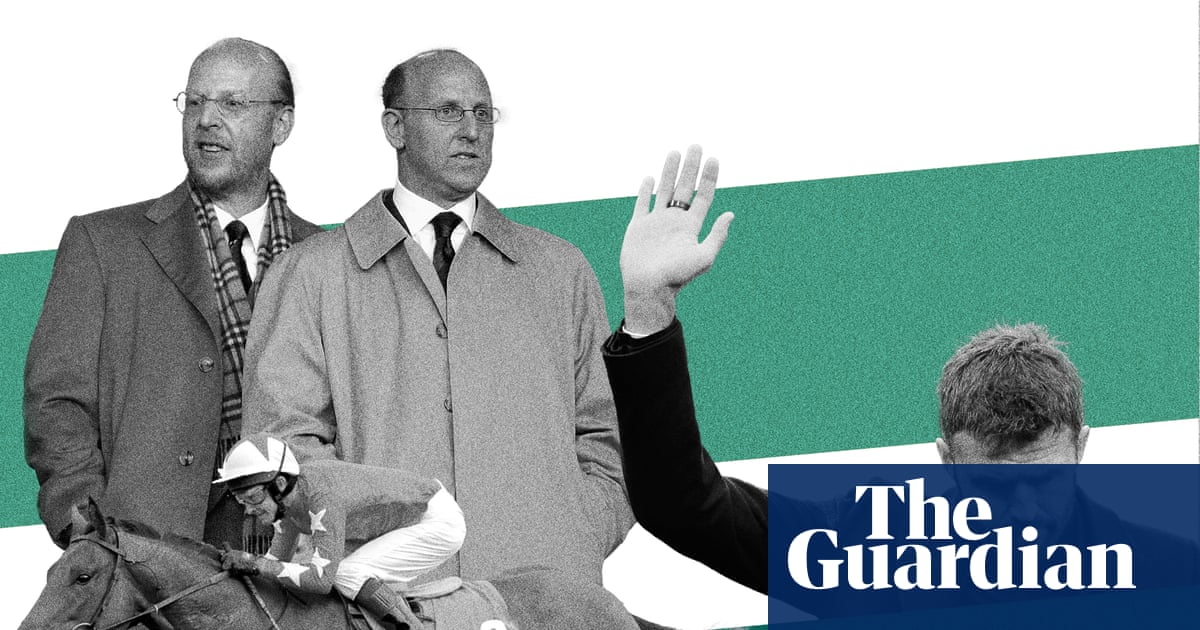
What remained was an empty shell. United have spent thirteen years cycling through tacticians while maintaining an outdated football structure. As outlined in The Guardian's historical breakdown, Carrick is merely the seventh consecutive manager sacrificed to atone for sins committed two decades ago.
Ratcliffe’s cost-cutting leadership has failed to alter that trajectory. Wilcox and Berrada may fire Carrick before the week ends, but replacing him will not cure this deep structural affliction. Manchester United are paying for twenty-one years of institutional failure, and no new manager can heal that damage from the dugout.