The defensive arithmetic at United
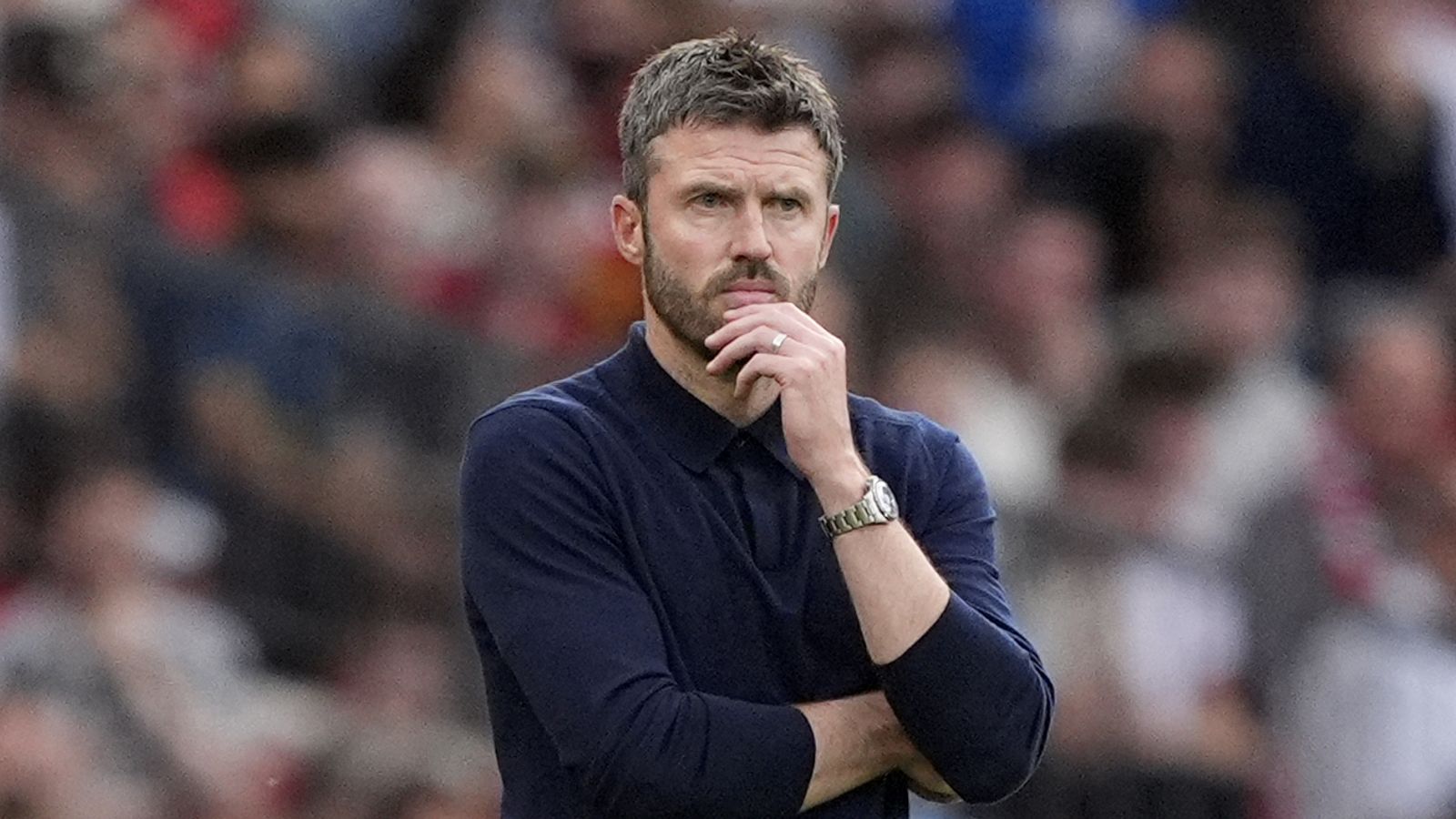
Michael Carrick enters the 2026/27 campaign with five central defenders on the books: Leny Yoro, Ayden Heaven, Harry Maguire, Matthijs de Ligt, and Lisandro Martinez. On paper, it looks like a squad with sufficient rotation options. In reality, the physical profiles and injury histories of this quintet create a high-stakes gamble for the upcoming Premier League season.
Reports out of Carrington suggest Carrick is concerned about his group's ability to withstand the sheer volume of fixtures demanded by a competitive European and domestic schedule. When you examine the profile of these players, you find a collection of talent that seldom stays upright for consecutive 90-minute stretches. It is a recurring issue for a club chasing top-four consistency.
The fitness reality
Lisandro Martinez remains the heartbeat of the backline, but his availability has been intermittent since his arrival in Manchester. Any extended absence for the Argentine forces Carrick to rely on the physicality of de Ligt or the veteran presence of Maguire. While these names carry weight, their combined durability metrics have trended downward over the last two years.
Leny Yoro and Ayden Heaven represent the future, yet asking them to anchor a top-tier challenge is a heavy burden for young legs. Historical data indicates that Premier League defenses requiring consistent rotation due to fatigue-related issues often concede an average of 1.4 goals per match more than stable pairs. That is a statistical wall United cannot afford to hit.
Strategic implications
Carrick’s tactical identity depends on high-line pressing and quick defensive transitions. If the central defenders lack the requisite recovery pace or if muscle fatigue limits their rotation, the high line becomes a liability rather than a strength. He is effectively playing a game of musical chairs where the music is getting faster.
As The Guardian reported, the manager faces an immediate threat of being caught short during September’s fixture pile-up. If even one of these five goes down, the structural integrity of the entire squad could collapse. This is not merely a personnel issue; it is a flaw in the roster construction that prioritized marquee names over ironclad availability.
Historical precedents and risks
We saw this movie play out at other clubs; overloaded schedules paired with injury-prone personnel lead to mid-table drift. When a squad lacks a reliable iron man, the team begins to leak points during busy winter months. The lack of a clear, injury-resistant first-choice pairing is a glaring tactical error.
Training load management will be the defining success factor for Carrick’s staff. However, sports science can only do so much to mitigate the genetic or historical injury susceptibility of this specific group. Expect to see either a late-window arrival of a utility defender or a noticeable decline in defensive intensity by November 15th if the current status quo remains.
The margin for error
Critics of Manchester United’s transfer strategy have rightfully pointed out that money spent on pedigree hasn't translated into reliability. If Yoro needs to be shielded, and Martinez is managed on a minutes-played cap, Carrick effectively has three defenders for two spots across three competitions. The math is brutal.
Failure to bolster this area before the window closes acknowledges a willingness to accept short-term volatility. History suggests that clubs with fragile central defenses do not capture silverware. If the medical team reports any setbacks during the October international break, United’s pursuit of European qualification will be placed on life support before the festive fixtures even arrive.
- Lisandro Martinez recovery cycles: Subject to recurring inflammation.
- Matthijs de Ligt movement: High-impact physical play leads to fatigue-related strain.
- Expected rotation frequency: 1 center-back swap every 2.8 games to prevent acute injury.