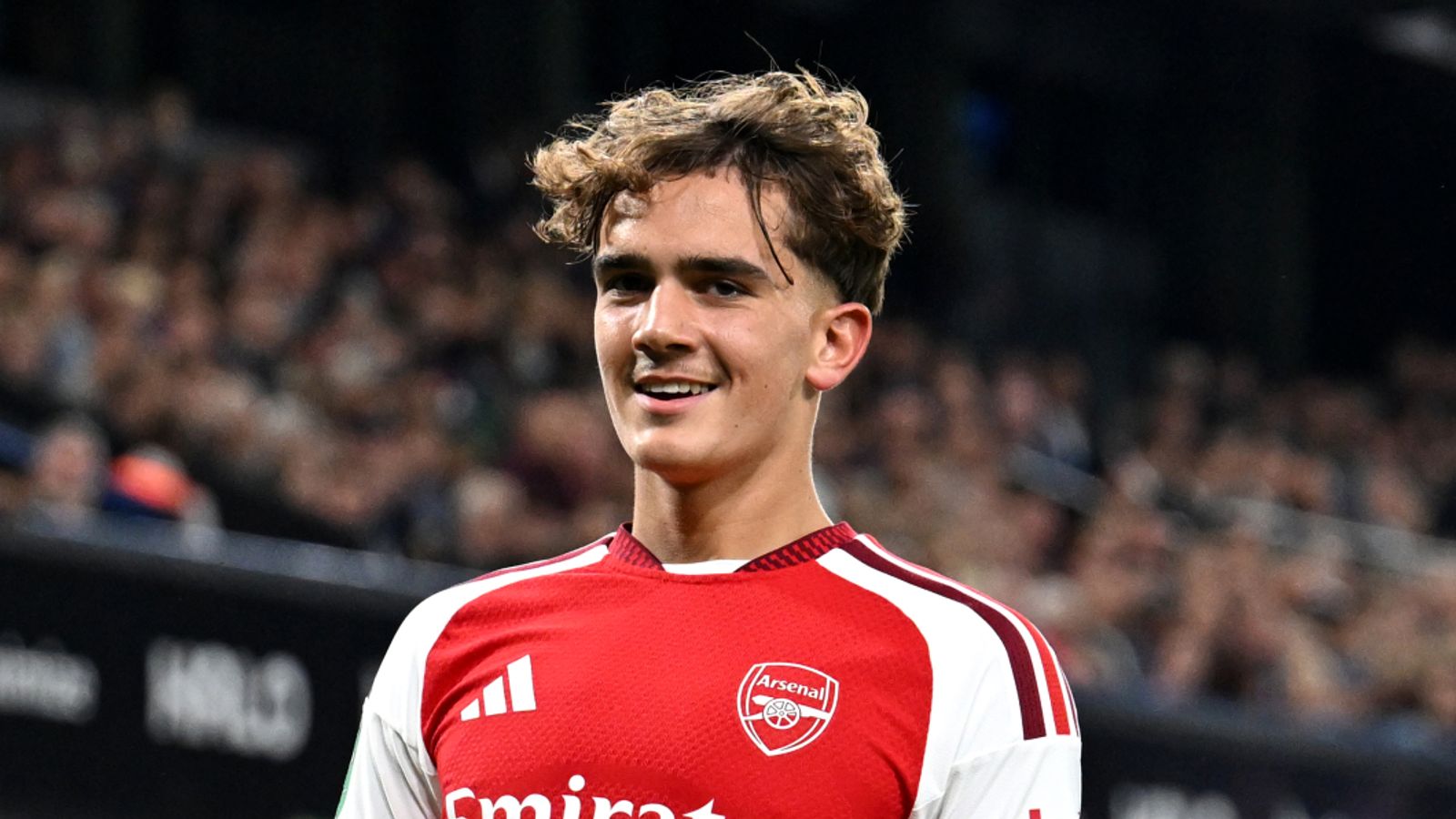
PSG set astronomical valuation for Barcola
Paris Saint-Germain have made their stance clear regarding the future of Bradley Barcola. The French giants are demanding a fee of £145m for the winger, effectively cooling interest from potential suitors across Europe. This valuation serves as a clear 'hands off' warning to clubs monitoring his situation following a breakout campaign in Ligue 1.
Barcola, who arrived at the Parc des Princes from Lyon in 2023, has evolved into a centerpiece for Luis Enrique’s attack. By setting the bar at nine figures, PSG are betting that the 21-year-old’s high-ceiling potential justifies such a premium. It is a bold play that highlights the club’s reluctance to lose young, homegrown-style talent even when transfer windows heat up.
The price point creates a significant roadblock for any club hoping to add explosive depth to their flanks. At such a high cost, the risk of overpaying for potential rather than current production is massive. PSG is effectively banking on the scarcity of high-level dribblers to deter persistent bidders like Manchester City or Chelsea. This decision reflects their new strategy—prioritizing sustainability and long-term asset retention over quick cash injections.
Real Madrid define the market with Vinicius Jr price
While PSG are busy pricing out the market for Barcola, Real Madrid has taken a similarly hardline approach with their own superstar. Reports indicate that the Spanish giants have internally set a definitive price for Vinicius Jr. This internal valuation ensures that any approach from the Premier League or Saudi Pro League will be met with a cold, business-first rejection.
The market for world-class forwards is tightening. As recent reporting indicates, the ripple effect of these valuations is forcing other clubs to pivot their recruitment strategies. When top-tier assets are locked behind £100m+ walls, secondary markets become flooded with clubs desperately searching for value deals that remain under the radar.
However, the strategy is not without its flaws. Inflating a player's cost to such an extreme often complicates wage structures and internal expectations. If a player is deemed worth £145m, their contractual demands naturally climb toward the summit of league-wide earners. This creates a trap where the club becomes unable to move the player later if performance drops.
Arsenal push for Bruno Guimaraes
Across the Channel, Arsenal's recruitment team is shifting gear. The club is reportedly ready to accelerate talks for Newcastle United midfielder Bruno Guimaraes. Mikel Arteta has made long-term stability in the pivot role a priority, and Guimaraes remains the primary target to anchor a midfield that looked exhausted during the final weeks of the previous race.
Acquiring Guimaraes would be a massive statement of intent for the Gunners. It signals an end to the cautious spending patterns that characterized previous windows. However, Newcastle’s own financial constraints—often noted by observers of the league—might mean they are forced to negotiate rather than dig their heels in. It is a high-stakes standoff that could define how Arsenal lines up on matchday one.
The necessity of this move is clear: Arsenal needs more physicality in the transition. While the midfield possesses plenty of technical flair, the capacity to recycle possession and stop fast breaks has been a recurring issue. Bringing in a player with deep league experience like Guimaraes helps, but he is not a cure-all for defensive lapses occurring during late-game fatigue. Whether this potential deal hits the £80m mark remains the biggest unknown factor in the negotiation.
The cost of ambition in a static market
Every major club is currently operating under intense scrutiny from both local boards and league regulatory bodies. PSG’s demand for Barcola might be a negotiation tactic, but it is also a sign of a market that has lost its sense of value. When young players with limited international pedigrees are touted at nearly £150m, the margin for error disappears entirely.
Managers are feeling the pinch. Articulation of squad needs is one thing, but getting the finances to align with the manager's tactical vision is another. As clubs like Arsenal look to close the gap on the leaders, they face the harsh reality that every target comes with a massive surcharge. This is no longer just about scouting skill; it is about who holds the most liquid capital when the final week of August approaches.
We are watching these clubs attempt to build squads intended to challenge the power structure of European football. Yet, the inflated prices indicate that success comes with an increasingly prohibitive barrier to entry. If the market continues to spiral upward in price, teams might eventually be forced to look toward internal youth products rather than opening the chequebook for external fixes. That would be a positive shift, but the immediate pressure to win makes that patience difficult to maintain.
Read Next
- Real Madrid winning the Yan Diomande sweepstakes has fans reeling
- Real Madrid looks like the only player left in the Yan Diomande sweepstakes
- Real Madrid are clearing the path for Yan Diomande
- Real Madrid are trying to buy the entire world and the internet is losing it
- ⚽ La Liga 2025-26 — Title Race Hub
- ⚽ Ligue 1 2025-26 — PSG, Monaco & the Title Race Hub
- ⭐ UCL 2026 — Champions League Quarter-Finals Hub