The physical toll of an unrelenting calendar
The 2026 World Cup dust has barely settled, yet the professional soccer schedule offers zero recovery time for the sport’s elite athletes. As Leander Schaerlaeckens reported for The Guardian, the sheer volume of matches is now reaching a point of diminishing returns. With the Scottish Premiership launching its 2026-27 campaign this Friday, the transition from international duty to club duty is non-existent for participants who played deep into the tournament.
This condensed turnaround represents a significant health risk for players coming off high-stakes, high-intensity tournament play. Medical staff across top-flight leagues are flagging elevated risks of soft-tissue injuries, primarily hamstrings and calf strains, as athletes attempt to recalibrate for league workloads without adequate pre-season conditioning. The fatigue is not just physical; it is mental depletion that directly correlates to reaction times and defensive positioning.
Historical patterns of post-tournament burnout
International tournaments have historically served as a precursor to injury spikes in domestic play. Players frequently return to club training camps at 85 percent of their usual physical capacity, leaving them vulnerable during the opening block of league fixtures. We saw this reality play out following the shortened break after the 2022 World Cup, where squads with heavy international representation saw an increase in match-day absences before the winter break.
The current structure leaves little margin for error. Domestic managers face the dilemma of fielding fatigued starters or rotating squads prematurely, which risks dropping early-season points against fresher, less-depleted opponents. The lack of a true off-season window is essentially stripping clubs of their ability to build tactical cohesion, as rotation players become de facto starters just to keep team sheets filled.
The strategic failure of the fixture list
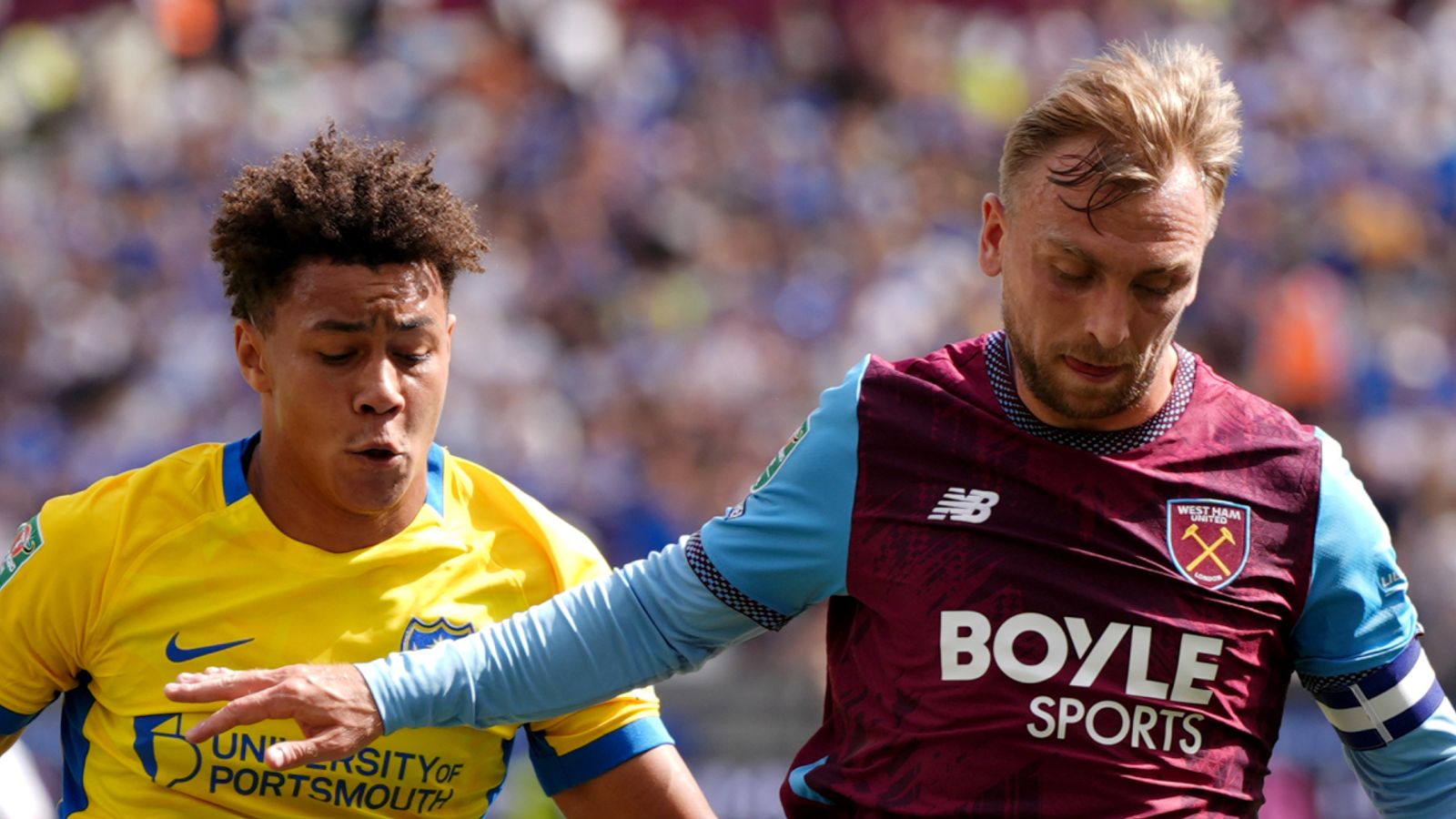
The decision to initiate tournaments like England’s Carabao Cup mere days after the resumption of major league play is a questionable administrative choice. It forces depth-challenged squads into mid-week travel and competition while primary players are still struggling with jet lag or deep-tissue fatigue. This is a recurring criticism of domestic governing bodies who prioritize broadcast windows over player health.
Competitors like the Dutch Eredivisie, which begins its slate shortly after the Scottish loop, are facing the same logistical nightmare. The industry is effectively operating on a treadmill that does not allow for a tactical reset. Teams that prioritize a heavy press or high-intensity gegenpressing style will likely suffer the most during this opening month. Expect to see tactical compromises as managers shift toward a more passive, conservative block to preserve energy during the final 20 minutes of matches.
Financial impact and the fan experience
The obsession with maximizing match volume is hitting a ceiling. Fans are reporting a general fatigue toward the sport, as the scarcity that traditionally defined the anticipation for a new season is being replaced by an endless, repetitive stream of fixtures. When players are forced to perform under such chronic strain, the product on the pitch inevitably suffers in quality, pace, and precision.
The reality remains that clubs now have to manage their assets like a brokerage account. Rotation isn't a luxury anymore; it is a defensive strategy to prevent a season-ending catastrophe in August. If a key starter goes down with a recurring muscle strain in the first three matches, the financial consequences ripple through a club's entire transfer strategy. The pressure on medical departments to navigate this gauntlet is higher than it has ever been in the modern era.