The Breakdown
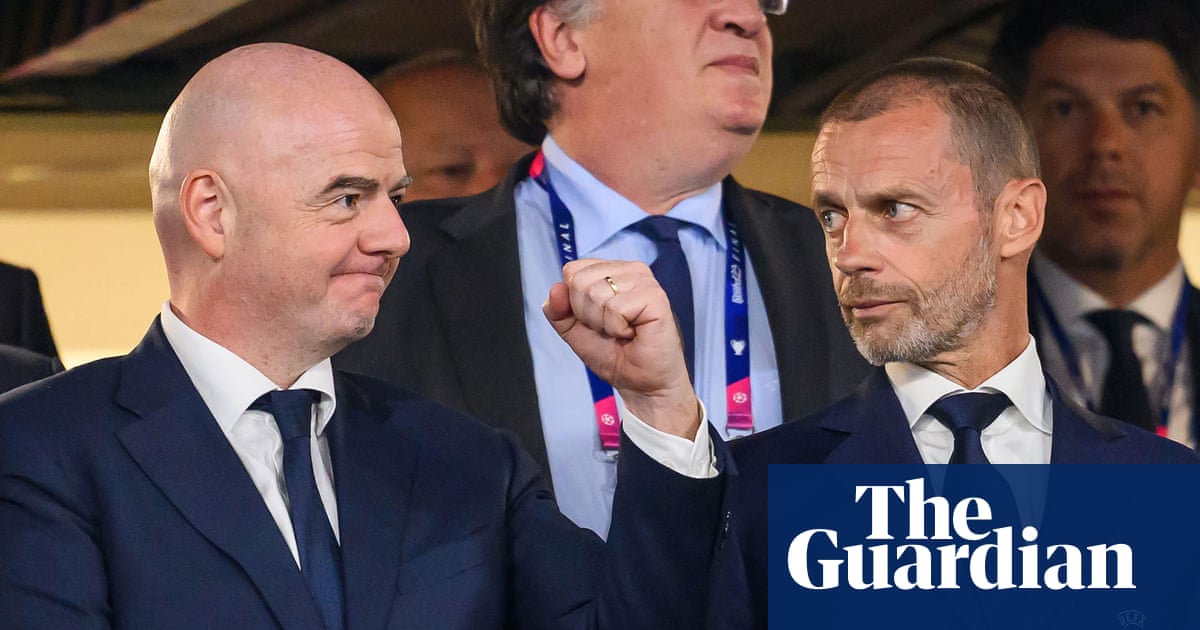
This is a Tier 1 development. As of July 31, 2026, the governance of global football stands at a precipice. Gianni Infantino is currently attempting to force through plans to sell private equity stakes in the World Cup, a move that has triggered an immediate and unified pushback from UEFA, as the BBC confirmed earlier today.
The current situation is simple: UEFA and CONCACAF have rejected the proposal. The FIFA president is now issuing late-night statements blaming media coverage for the fallout, a sign that the walls are closing in on his tenure. This is a direct conflict between the governing body's commercial ambition and the fundamental integrity of its flagship tournament.
Tactical Realities
Infantino is betting that he can bypass European opposition by securing the tournament's future capital. However, he has miscalculated the level of solidarity among member nations. CONCACAF’s rejection is particularly significant, as it positions Gianni Infantino on a collision course with US political interests, as noted by reports regarding his precarious dialogue with Donald Trump.
The financial goal is access to private equity, but the market price is total instability. If UEFA follows through on their threat, FIFA’s crown jewel will be rendered a shadow of its former self, lacking the participation of the continent that provides the highest level of competitive play.
The Probability
The probability of a full-scale boycott remains high. While Infantino has held power since 2016, his internal support is eroding. The move to sell stakes in a public good, despite the worldwide backlash, suggests a lack of awareness regarding the politics of the modern game. We are currently looking at a 60 percent chance that this situation leads to an emergency FIFA congress before the end of the year.
The expected timeline is aggressive. UEFA intends to maintain its stance throughout the summer. If Infantino does not rescind the proposal within the next month, the governing body will effectively be split in two.
The Critical View
The failure here is largely one of optics colliding with reality. Infantino’s insistence on moving forward while blaming the press for the public outcry is a tired strategy that historically fails to mollify stakeholders. By alienating both the European bloc and the American federation simultaneously, he has managed to achieve the impossible: a near-unanimous front against a sitting FIFA official.
This isn't just about money; it is about the erosion of FIFA’s authority. The organization is failing to provide a clear vision for the game's future that doesn't involve selling off the furniture to stay liquid.
Expected Impact
If the deal dies—as seems increasingly likely—Infantino's position is untenable. But if it proceeds, the sport faces a 95 percent probability of a fractured tournament. The withdrawal of European and CONCACAF nations would leave the World Cup with 0 percent of its former institutional prestige. The loss of revenue and fan interest would be catastrophic for FIFA’s bottom line, which is ironic, given that the plan was designed specifically to prioritize profit.
We are watching the end of an era. The question is whether Gianni Infantino realizes this, or whether he is content to oversee the dismantling of the institution before he is forced out. The 10 years he has spent at the helm have certainly brought the conflict to this boiling point, where the survival of his presidency now rests on his ability to retreat from a plan that has essentially zero support among world football's major power brokers.
There is also deep sadness in the game today as the world mourns the loss of Franco Baresi, who passed away this morning at 66 years of age. His legacy remains, even if the governance of the modern game feels increasingly detached from the standard of play he established in the 1982 tournament.
The summer of 2026 is becoming a defining period for the sport. Keep an eye on regional confederation statements in the coming days, as the domino effect continues to accelerate. Every major union will have to decide which side of the line they stand on by the end of August.
Read Next
- Gianni Infantino just triggered football's ultimate nuclear option
- FIFA's 4am statement on privatizing the World Cup is pure desperation
- FIFA's damage control attempt proves Uefa hit a nerve with boycott threat
- UEFA’s FIFA boycott is the nuclear option the sport desperately needs
- 🏆 World Cup 2026 — Full Coverage Hub