Zurich flashes the hazard lights
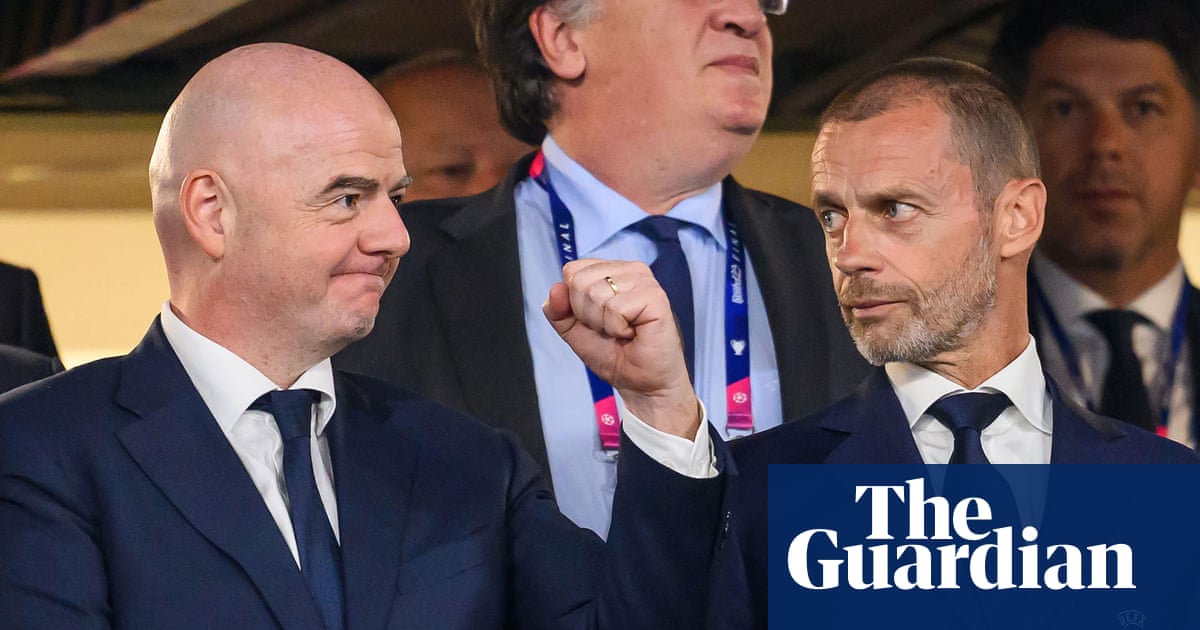
Gianni Infantino usually responds to internal dissent with deafening silence or orchestrated applause. Not today. Facing the very real prospect of a Uefa-led boycott of its flagship events, FIFA issued a defensive counter-statement insisting that 'nobody is selling football' while attempting to pin the blame on misinformed journalists.
It is a remarkable piece of crisis management, mostly because of how flimsy it looks under direct light. When a governing body is forced to clarify that it isn't literally auctioning off the game's soul, you know the opposition's strike landed squarely on the jaw.
Uefa's 55 member associations hold the leverage here, and they know it. Without European powerhouse nations participating, FIFA’s product isn't a global tournament — it's an expensive exhibition.
The mechanics of the leverage play
Let's look at how we arrived at this standoff. The friction point wasn't built overnight, but the threat of a full-scale European walkout accelerated the timeline in a single afternoon. European federations generate the lion's share of broadcasting revenue and supply the vast majority of elite talent; threatening to withdraw that capital is the ultimate nuclear deterrent.
FIFA's official line is that its consultation process was merely disrupted by incorrect media reports. That is corporate spin for 'we got caught floating a trial balloon and didn't expect the room to detonate.' The idea that global football governance can alter structural models without backroom backlash was always naive.
In reality, Infantino’s team miscalculated Uefa’s unity. European football has plenty of internal squabbles, but nothing unites Nyon faster than Zurich attempting to dictate commercial terms over their heads.
A tactical retreat or stalling tactics?
The immediate question is whether FIFA's statement marks a genuine willingness to negotiate or simply an attempt to bleed time. By opening a formal consultation phase while publicly denying any sell-off intent, Zurich buys space to lobby individual European associations behind closed doors.
Dividing Uefa’s block will be priority number one for Infantino. If FIFA can peel away two or three major Western European federations with sweet-heart revenue distributions, the unified front collapses. That is why Uefa leadership must keep its 55 members in tight formation over the next few weeks.
There is also a glaring lack of clarity on what this 'consultation' actually looks like in practice. Will Uefa representatives get a seat at the table with veto power, or will they be invited to rubber-stamp pre-packaged proposals? If it's the latter, expect the boycott chatter to return at double the volume.
Predicting the next move
Do not expect Uefa to pull the trigger on an outright boycott immediately. This is high-stakes diplomatic poker, and today's statement from FIFA represents the first sign of wobble from the house bank.
The most likely outcome over the coming weeks is a tense, compromised truce. Uefa will demand binding guarantees regarding competition structures and commercial governance before standing down its boycott threat, and FIFA will ultimately swallow those terms to keep the European giants in the fold. Uefa forced Zurich to blink on July 31, 2026, and that shift in power dynamics won't be undone anytime soon.