The end of the traditional knockout
The rebranding of the League Cup into the Players Cup has arrived with a structural shift that ignores the history of domestic knockouts. Moving from a straight bracket to a 23-team league phase feels less like modernization and more like an attempt to manufacture volume. Eliminating the binary win-loss outcome in favor of a hybrid points system creates a muddy table that will frustrate purists and confuse the casual viewer.
The integration of penalty shootouts to decide league phase draws is the most jarring change. While shootouts offer a dramatic spectacle on their own, using them to settle a league point distribution introduces unnecessary randomness into a competition meant to test fitness and depth. You are effectively penalizing a team for a 90-minute stalemate by forcing a skills contest that ignores the tactical reality of the match itself.
Tactical rigidity vs league variance
Managers thrive on the clarity of a knockout bracket. You play, you win, you proceed. This new 23-team setup introduces a mathematical overhead that will force coaches to treat early-season matches like accountants. Expect to see heavily rotated squads and defensive shell-games as staff prioritize goal difference over taking risks to seal a victory in open play.
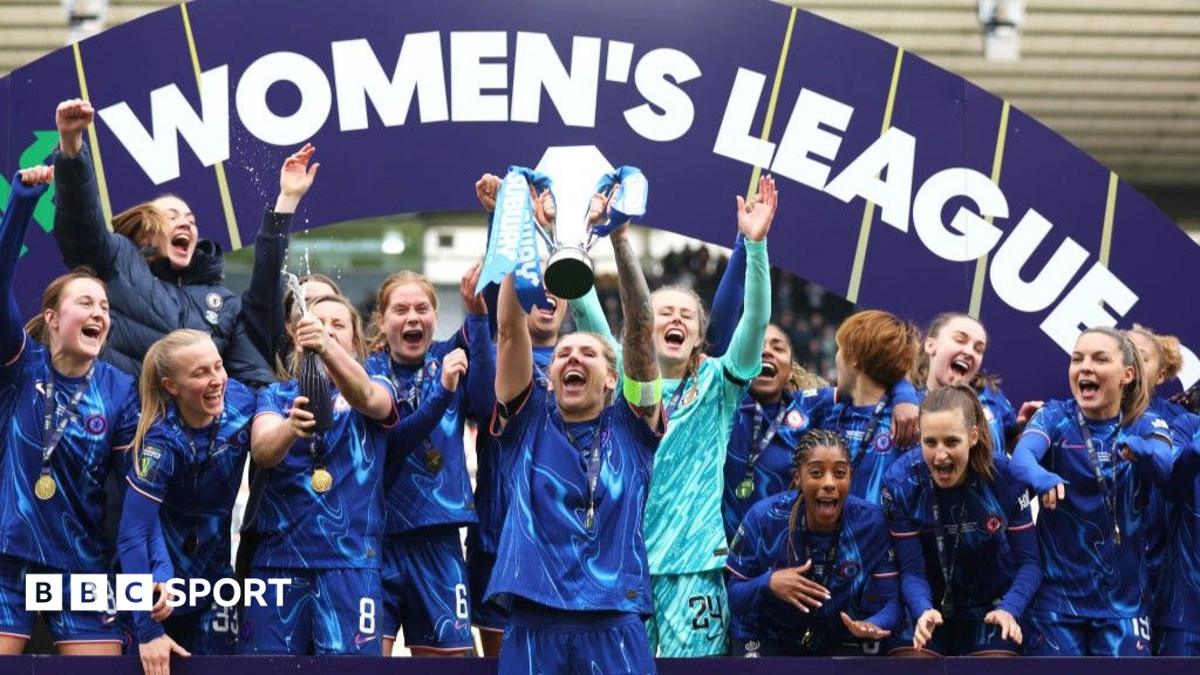
As the BBC recently highlighted, the regional splitting of groups is clearly an attempt to limit travel fatigue for lower-league clubs. However, it also narrows the competitive variety of the tournament. Watching local rivalries cycle through a league phase loses the specific intensity that makes a cup run meaningful. We are trading the 'win or go home' intensity for a bloated schedule that serves broadcasters more than the athletes.
The flaw in the 23-team math
The choice to include exactly 23 teams invites a structural nightmare. By definition, someone is always sitting out while others compete, which creates massive imbalances in games played. We saw similar issues in previous bottleneck-heavy systems where the lack of simultaneity favored the teams playing in the final rounds of the grouping phase. It creates an unfair advantage for the teams that possess the data and the points in hand before their final match-day.
Consistency is a foreign concept in this model. I predict this system will fail to generate genuine engagement by the third round of fixtures. Once the math of qualification becomes clear, the final games will lack the tension of high-stakes football. The 90-minute effort will be sidelined by the obsession with the points table, and we will miss the days when a lower-tier side could bank on a single, isolated upset to shift their season momentum. This 2026 experiment will likely be abandoned within three years when the drop-off in attendance—caused by the lack of direct stakes—becomes too obvious to ignore.