The Players Cup revamp ignores the product on the pitch
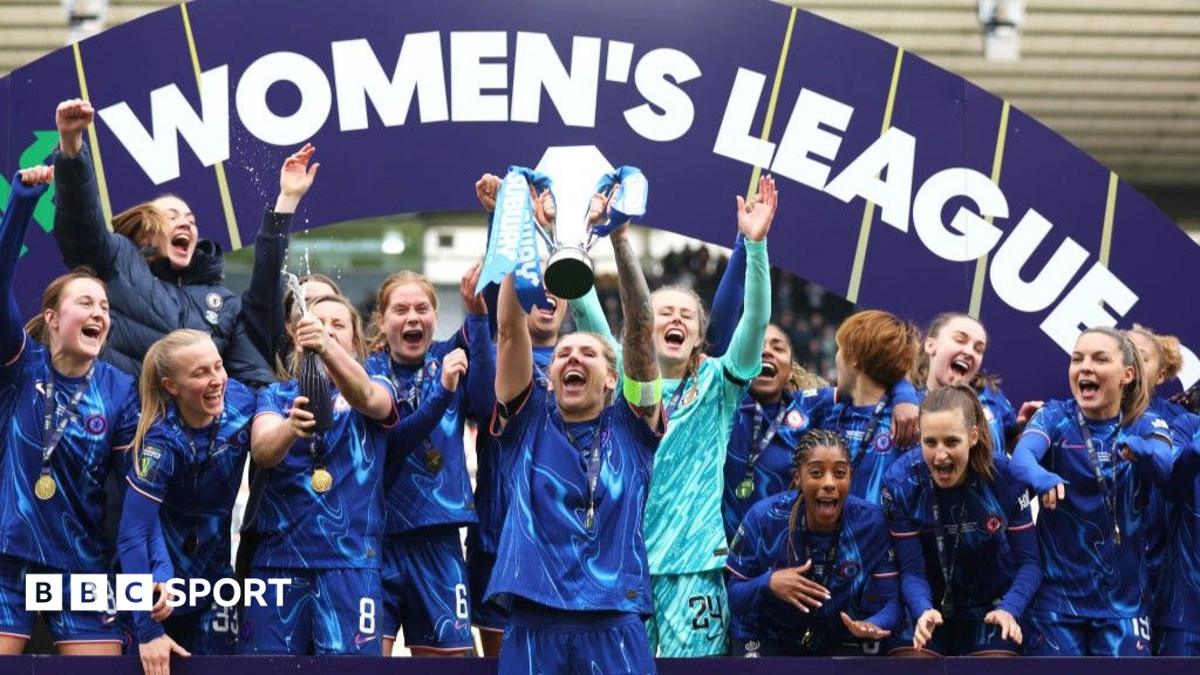
Tactical flaws in the League Cup overhaul
The decision to rename the League Cup as the Players Cup while forcing a 23-team league phase into the schedule is a staggering miscalculation. By introducing mandatory post-match penalty shootouts to settle draws, the governing body is prioritizing surface-level engagement over structural integrity. We have seen league formats in wrestling promotions suffer when the stakes become diluted by arithmetic gimmicks, and now the English game is inviting that same volatility into its fixture list.
A 23-team setup is inherently uneven, requiring teams to navigate irregular bye weeks and asymmetric strength-of-schedule variables. In a competition historically defined by the knockout drama of lower-league sides testing themselves against Premier League behemoths, this phase turns a sprint into a slog. Tactically, managers will now be forced to manage load through a league table rather than focusing on the singular intent of winning a tie in 90 minutes.
The penalty shootout gimmick
Forcing shootouts to settle draws in a league environment is an attempt to create artificial tension. Rather than incentivizing teams to push for a winner during regular play, this provides a safety net for managers who set up defensively. We know from recent tactical shifts that managers, such as those analyzed during the pre-summer roadmap for various leagues, often default to low-block structures when they fear the consequence of a single mistake. By rewarding a draw with a shootout, the cup introduces a variable that rewards those who concede the initiative.
The math behind match-day fatigue is unforgiving. If a squad travels for a midweek fixture, plays a rigorous 90 minutes, and is then held to a penalty session, the recovery window for the subsequent weekend league match shrinks. This is not innovation; it is a degradation of player physical performance standards. If the objective was to heighten interest, the league phase fails because it creates a barrier to entry for fans who cannot track a 23-team table compared to a standard bracket.
Missing the point of cup tradition
The traditional beauty of English cup football has always resided in the absolute finality of the result after 90 minutes, or at most, a replay. Removing that distinctiveness in favor of a bloated round-robin hybrid feels like a desperate attempt to fix a product that was not broken. The recent tactical fallout in other entertainment circles should serve as a warning: when you prioritize format changes over the core draw of the event, the audience drifts.
The reality is that we are looking at a 23-team experimental field. That number alone defies any semblance of logical tournament design. Coaches will need to rotate their XIs so heavily that the quality of football will inevitably dip by mid-autumn. This is a gamble where the cost of implementation far outweighs the benefits of the format change. Unless the governing body expects spectators to treat these matches as purely experimental, they are likely to find a fanbase that is frustrated by the lack of clarity and the erosion of what made the competition special.
We are witnessing a shift where the administration is trying to manipulate the output rather than letting the competition breathe. A tournament should be defined by the pressure of its knockout stages, not by the statistical noise of an elongated league phase. If the performance metrics start to show a decline in intensity once the novelty wears off, the organizers will have no one to blame but themselves.
Roku Express 4K+ | Streaming Player, 4K/HDR/Dolby Vision with Smooth Wireless Streaming and Roku Voice Remote Pro
Never miss a match day with 4K clarity for all your streaming apps.
Frequently Asked Questions
Why is the 23-team format considered a structural failure?
How do mandatory post-match penalty shootouts affect manager tactics?
What impact does the new cup format have on player fatigue?
Why is the league phase problematic for fans tracking the competition?
How does the revamped format affect the traditional appeal of English cup ties?
More Coverage
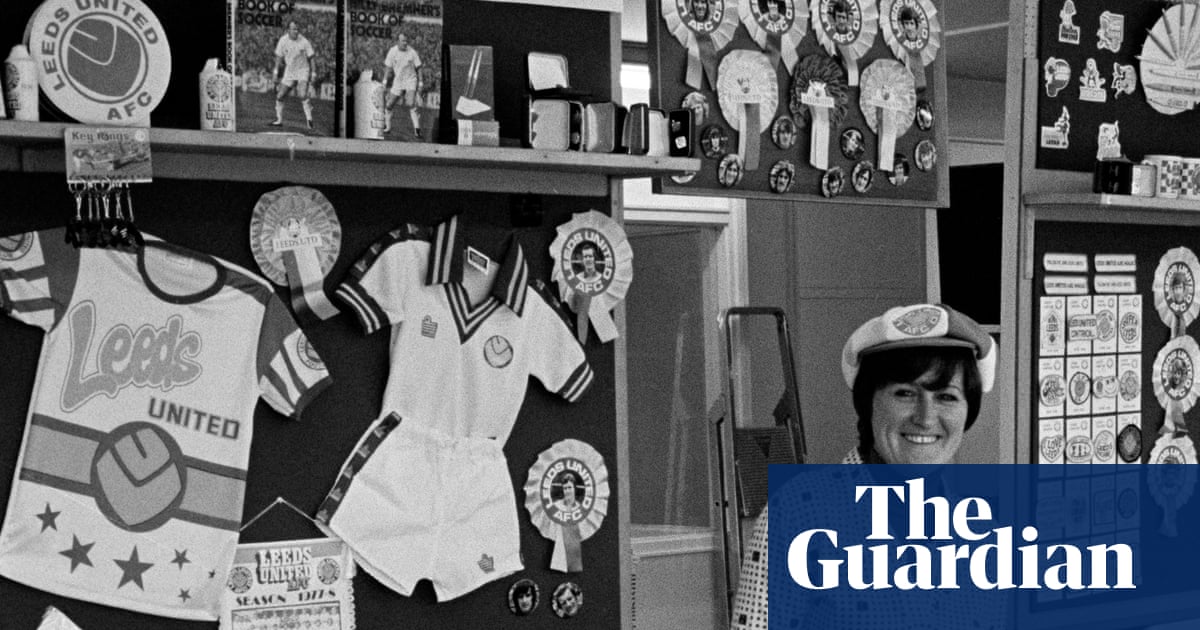
How a £7,000 cafe deal created modern replica kit culture
4 hours agoMarcus Rashford is cooking again and Carrington can thank Michael Carrick
3 days, 6 hours agoDerek McInnes Needs Trophies at Rangers or He Is Dead Man Walking
3 days, 14 hours agoThese 10 unheralded stars could quietly decide the Premier League title race
5 days, 8 hours ago
Lionel Messi buying Eldense turns La Liga 2 into a celebrity sandbox
1 week ago
Nobody knows what to do with Jadon Sancho anymore
1 week, 1 day agoMore Analysis
These 10 unheralded stars could quietly decide the Premier League title race
5 days, 8 hours ago
Why Carrick will be forced to abandon his Cunha false nine experiment
1 week, 2 days ago
Why Michael Carrick's Man United are getting bullied off the pitch
2 weeks, 3 days ago
Sunderland finished 7th, but their underlying stats reveal a scary truth
1 month ago
Data science is stalking football but it won't kill the game
1 month, 1 week ago