The World Cup in the US is off to a disjointed start
Marketing blind spots in the American market
The 2026 World Cup has commenced, yet the buzz on the ground in several American host cities feels curiously muted. Observations from casual observers and local residents suggest a disconnect between the magnitude of the tournament and its local footprint. It is a strange sight to walk through a city slated for matches and find little indication that a global sporting event is actually happening.
Reports indicate that in cities like Miami, there is a lack of widespread signage or fanfare. If you are not actively looking for information, you might drift right past the biggest event in football. This contrasts sharply with the frantic energy seen in traditional footballing hotbeds like Buenos Aires or London. The domestic promotion strategy appears to be leaning entirely on digital reach rather than physical presence.
The visibility gap
Part of this stems from the massive geographic dispersion of a tournament hosted across North America. Unlike the tightly packed venues of Qatar, the physical scale here makes it difficult to maintain a consistent atmosphere. When the fan experience is segmented into isolated clusters, the collective pressure needed to build cultural momentum rarely reaches a critical mass.
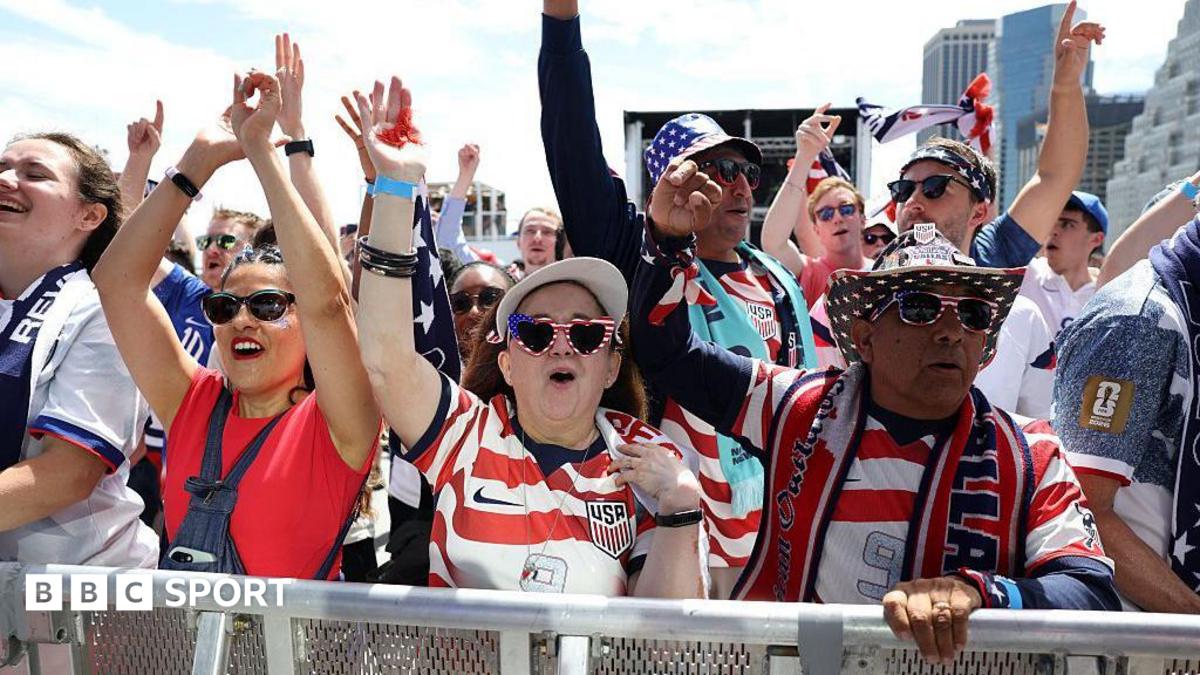
As reported by the BBC, there is a genuine confusion among the casual American public regarding the tournament calendar. For those without a background in the sport, the schedule is not immediately obvious. If a city does not feel like a host, the local populace is unlikely to participate in the excitement.
The infrastructure versus culture struggle
The decision to utilize massive American football stadiums for soccer creates an inherently hollow aesthetic. Watching a match from the upper deck of an NFL coliseum often puts the viewer miles away from the pitch. It dilutes the intensity that makes the sport compelling, creating a viewing experience that feels more like a corporate trade show than a high-stakes competition.
Ticket pricing also represents a significant barrier to entry for the average fan. When you factor in the $300 average entry price for non-premium seating, the barrier to engagement is steep. This keeps the atmosphere sterile, as the stadiums are filled with corporate delegates rather than the core fanbase that dictates the rhythm of the game.
Missed opportunities for organic growth
There is a critique to be made regarding the lack of focus on city-wide activation. Too much energy is directed toward the venue gates and not enough toward the urban core. Without public viewing areas or dedicated fan zones that are accessible, the event remains an island.
Major League Soccer has grown significantly, yet this specific tournament risks alienating that momentum by positioning itself as an elite, premium product rather than a populist celebration. Empty streets in host cities aren't just aesthetic failures; they are indicators of a failure to secure buy-in from the local community. If you don't make the tournament visible, you cannot expect the public to care about the outcome of the final match on July 19.
Refining the spectator experience
The broadcast production is top-tier, but television cannot replicate the sensory experience of a city in the grip of football fever. There is a specific clinical quality to the coverage that ignores the lack of local engagement. It assumes that because the television rights were bought at a premium, the cultural impact would follow automatically.
Ultimately, this approach ignores the reality that sports are meant to be communal. If the locals aren't in the streets, the sport becomes a passive consumption medium. FIFA and the organizing committee needed to prioritize accessibility if they wanted to spark a genuine fire in the American imagination. Right now, it looks like a tournament happening in a vacuum.
Stick to Football: The Sunday Times Bestseller
The hilarious and insightful insights from the legends you know from the Sky Spo
Frequently Asked Questions
Why does the 2026 World Cup lack local atmosphere in US cities?
How does venue choice impact the 2026 World Cup viewing experience?
What is the primary factor limiting fan attendance in stadiums?
Why is it difficult to build momentum for the tournament in North America?
What is the public perception of the tournament schedule in the US?
More Coverage

How a £7,000 cafe deal created modern replica kit culture
10 hours agoMarcus Rashford is cooking again and Carrington can thank Michael Carrick
3 days, 11 hours agoDerek McInnes Needs Trophies at Rangers or He Is Dead Man Walking
3 days, 19 hours ago
Lionel Messi buying Eldense turns La Liga 2 into a celebrity sandbox
1 week ago
Nobody knows what to do with Jadon Sancho anymore
1 week, 2 days agoBruno Fernandes Hitting the Bar at Everton Sums Up Man United's Issues
1 week, 3 days agoMore Analysis

Data science is stalking football but it won't kill the game
1 month, 1 week ago
Top 10: Top Moments
1 month, 3 weeks ago
Argentina are acting like the team nobody likes for a reason
1 month, 3 weeks agoArgentina fans just got the ultimate mid-air gaslight
1 month, 3 weeks ago
The World Cup just proved global football is barely about countries anymore
1 month, 3 weeks ago