The Big Picture
AC Milan operates in a cycle of high-stakes transition, constantly balancing the weight of historical pedigree against modern financial reality. The following list identifies the defining shifts in personnel and tactical identity that dictate the club’s current trajectory.
The Ranking
1. The Amorim Arrival. The appointment of Ruben Amorim represents a massive gamble on high-pressing tactical philosophy. He demands a specific defensive profile that forces the front office into immediate recruitment cycles. This move sits at the top because it fundamentally altered the club's summer spending plan.
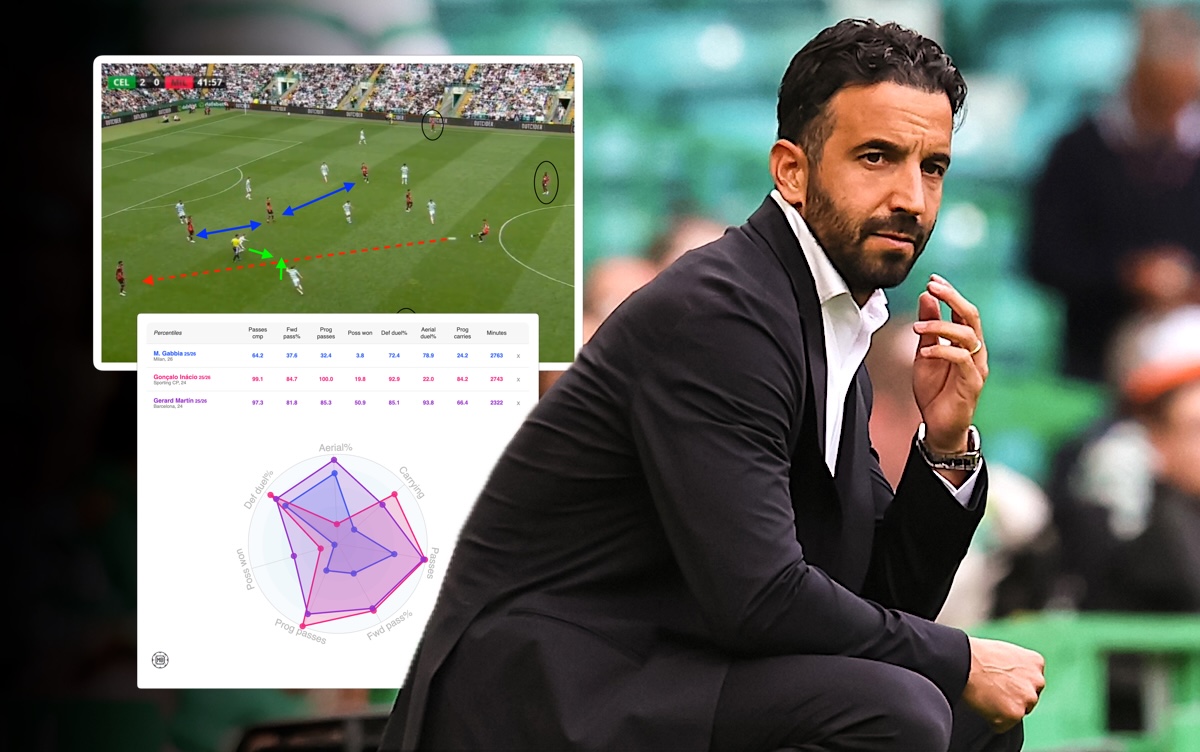
2. The Search for Central Solidity. Defensive stability is the primary issue plaguing the current squad build. As Sempre Milan noted, securing another center-back is the singular focus for Amorim. Failure to finalize this profile undermines every other tactical gain made in preseason training.
3. The Fofana Dilemma. Youssouf Fofana remains a lightning rod for transfer speculation while his valuation is set by the club hierarchy. Besiktas is circling the midfielder, turning his departure into an unnecessary administrative headache. This situation reflects a lack of ruthlessness in clearing unwanted squad space before the campaign begins.
4. Samuele Ricci’s Retention. Despite external interest, the club expects Ricci to remain a core piece of the midfield rotation. Amorim has reportedly expressed significant admiration for his technical consistency. Keeping him off the block is a win for continuity, which is currently in a deficit.
5. The Besiktas Negotiations. The back-and-forth regarding Fofana shows how easily Milan can become stalled by low-value transfer sagas. When a club of this stature spends weeks haggling over fringe players, it indicates a failure to streamline outgoing business. Every day spent waiting on a bid is a day lost in the search for a permanent starter.
6. Tactical Integration Risks. Amorim is attempting to install a system that leaves space behind the fullbacks. If the defensive personnel cannot recover quickly, the entire strategy collapses. This is not a slight on the manager, but an observation of an unbalanced roster composition.
7. The Scouting Blind Spot. The need for a center-back did not appear overnight, yet the club enters late July still hunting. This reflects a reactive rather than proactive recruitment strategy that consistently leaves the manager exposed. Front office delay has become a recurring theme in recent windows.
8. Selling Before Buying. The financial model dictates that minor exits must fund major arrivals. This constraint often prevents the club from closing deals on their primary targets early. It places an immense burden on the technical staff to hit on budget-friendly acquisitions.
9. The Preseason Tour Uncertainty. Having Fofana on the plane while his future is uncertain is a tactical distraction. It complicates the dressing room dynamic and gives players a reason to look toward the exit. It is a sign of a front office failing to provide absolute clarity to its playing staff.
10. The Amorim Appreciation. The fact that the manager is already identifying specific targets like Ricci shows a clear vision. While the movement is sluggish, the alignment between coaching staff and talent evaluation is an improvement over the previous chaos. This puts the club in a better position than where it sat last year, even if results are pending.
Honorable Mentions
The persistent rumors surrounding depth-chart volatility often overshadow the actual training ground progress. While central defense remains a liability, the retention of key tactical players like Ricci proves management can be firm when necessary. The club must now prove it can close defensive deals with the same speed demonstrated in public transfer statements.