The High-Stakes Arena
Football governance has shifted from backroom handshakes to geopolitical theater. The sport now functions as a primary asset for state-sponsored investment funds and international power brokers seeking legitimacy.
We are analyzing the decade's most significant institutional shifts. These are the moments where the sport’s direction veered sharply off course.
The Ranking
10. FIFA’s Multi-Stakeholder Pivot
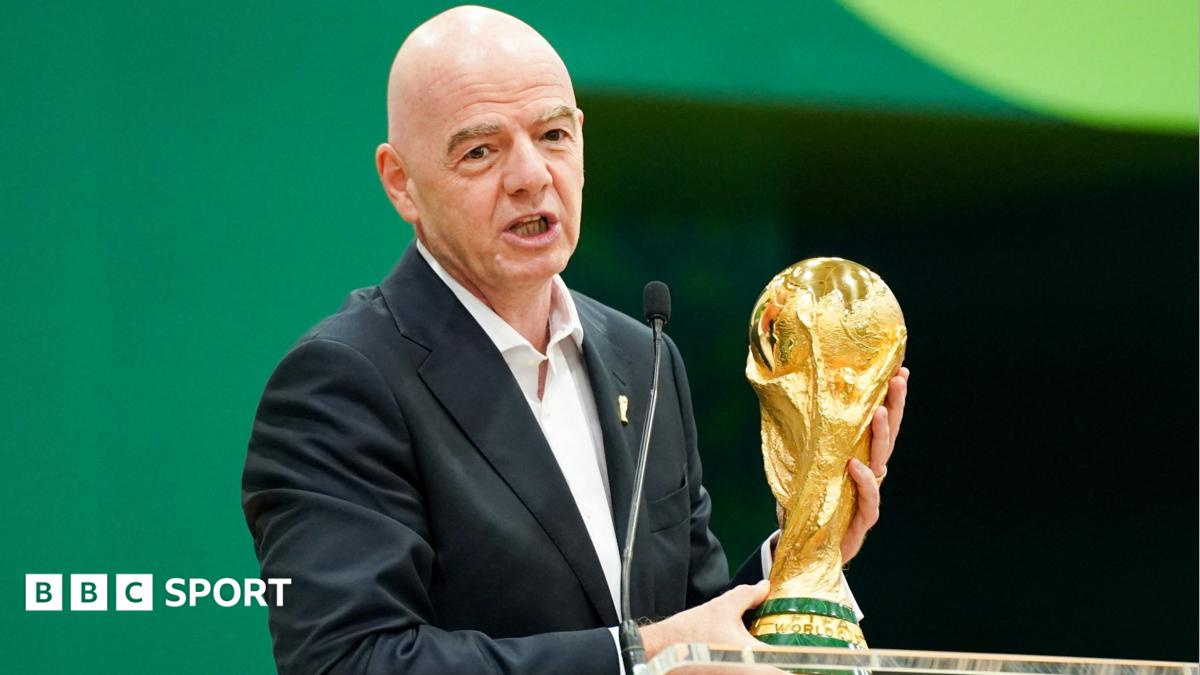
Gianni Infantino has effectively transitioned FIFA into a venture capital vehicle. By pursuing outside private equity, the organization is devaluing its traditional regulatory role for short-term liquidity.
This move fundamentally changes how the governing body answers to its member associations. It replaces democratic oversight with quarterly earnings targets.
9. Trump Weighs In on FIFA Stakes
Donald Trump recently addressed the plan to offload stakes in the FIFA World Cup to private interests. As reported by The Mirror, his curt response signaled how deeply football is intertwined with American political agendas. This development risks politicizing the tournament’s ownership structure further.
8. The Super League Announcement
The 2021 launch of the breakaway league remains the most aggressive attempt to monopolize elite football revenue. Clubs attempted to lock out competition and solidify their top-tier status permanently.
The fan backlash was swift, proving that cultural attachment still overrides corporate efficiency. The project failed, yet the structural hunger for such a system persists in every board meeting.
7. State Ownership as the Standard
The acquisition of major European clubs by sovereign wealth funds has redefined competitive balance. Teams are no longer bound by traditional revenue growth models.
This has forced every competitor to pivot toward aggressive external financing. The market is now dictated by whoever has the deepest national budget behind them.
6. The 48-Team World Cup Expansion
Infantino expanded the tournament to ensure more geopolitical buy-in from smaller nations. It was a purely political maneuver to solidify his voting block.
The result is a diluted product on the pitch that favors quantity over competitive integrity. It serves the boardroom, not the sport.
5. The Saudi Pro League’s Recruitment Strategy
Spending over $900,000,000 in a single window signaled an intentional attempt to bypass traditional career arcs. They targeted players in their prime rather than just veterans seeking one final payday.
This moved the focus away from historic European leagues for the first time in thirty years. It turned the transfer market into a genuine global race.
4. UEFA’s Financial Fair Play Overhaul
The move to squad cost ratios replaced the old loss-limitation models. It gave clubs more flexibility to spend but punished teams without massive revenue streams.
The reform effectively baked existing hierarchies into the law. It is a system designed to protect the status quo under the guise of fiscal health.
3. The Qatar World Cup Selection
The 2010 vote to award the 2022 tournament to Qatar remains the single most scrutinized governance decision in history. It exposed the rot within FIFA’s executive committee.
The fallout led to mass arrests and an complete overhaul of the organization's legal team. However, the cultural shift towards hosting tournaments in unconventional markets became permanent.
2. The Premier League’s Independent Regulator Move
The British government’s push for a statutory regulator represents the end of total autonomy for English football. It acknowledges that self-governance has failed to protect the interests of the clubs themselves.
This sets a dangerous precedent for clubs globally. If you cannot manage your own finances, the state will eventually step in to do it for you.
1. The 2015 FIFA Corruption Crisis
The raid at the Baur au Lac hotel in Zurich changed everything. It brought the US Department of Justice into the heart of football governance.
Every subsequent policy change stems from the fear of renewed federal investigation. It is the moment institutional transparency became a legal necessity rather than a moral choice.
Honorable Mentions
The rise of multi-club ownership models like the City Football Group is moving quickly to the top of the list. We are also watching the ongoing court battles regarding the legality of private domestic television rights deals.