The Big Picture
The 2026 Scottish Premiership season has been defined by a frantic scramble for European spots and a tactical shift away from defensive conservatism. We have seen mid-tier clubs reject survivalist mindsets to chase higher-table consistency.
10. Kilmarnock Rejects Relegation Biology
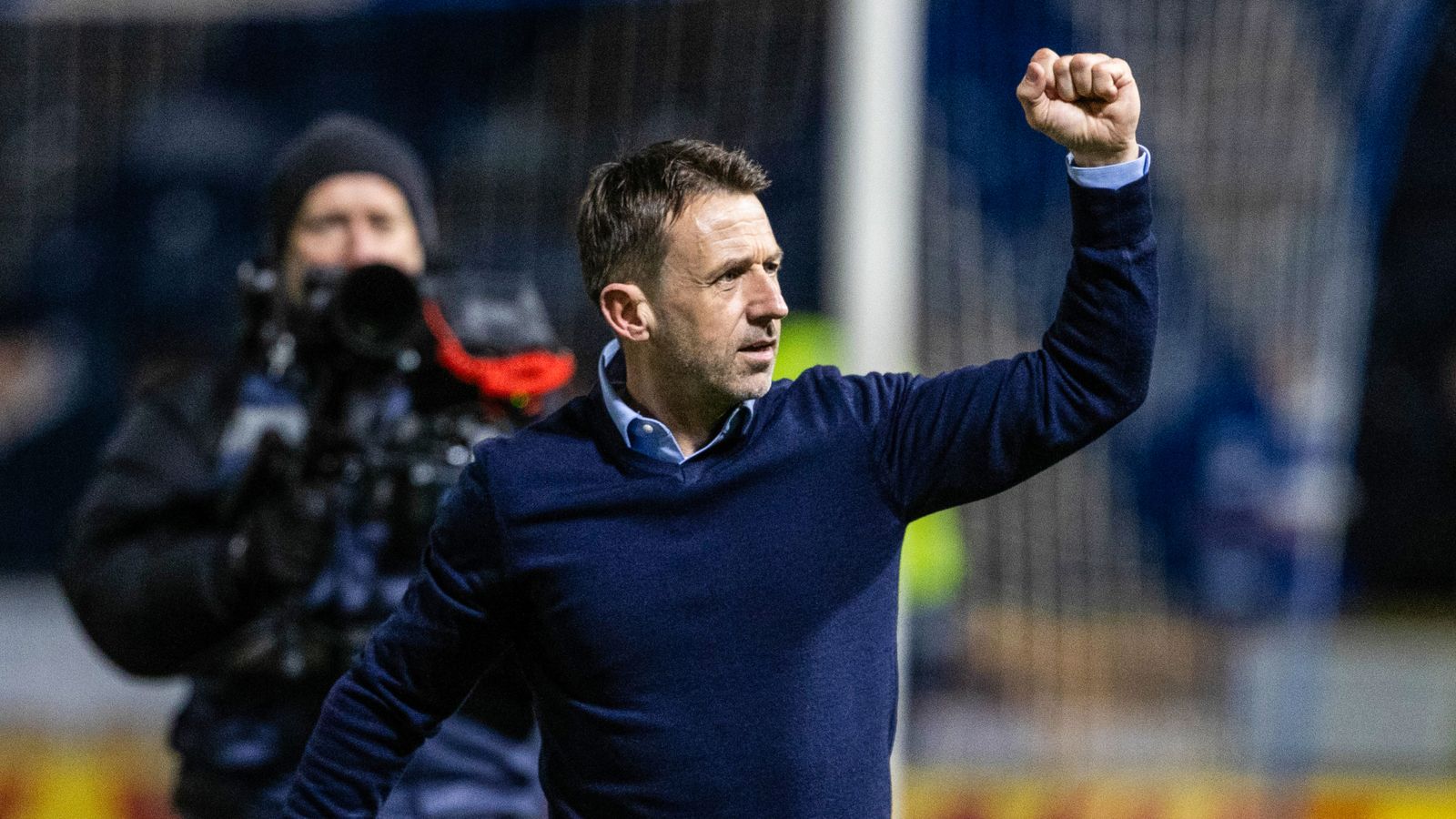
Neil McCann has shifted the focus at Rugby Park, moving the club away from a perennial struggle against the drop. Instead of playing for draws against the Old Firm, McCann implemented a high-press system that demands constant movement from the wide midfielders. This tactical pivot is the reason they are currently looking upward. It is a necessary departure from the stale methods of previous regimes who settled for avoiding the bottom two.
9. Celtic’s Defensive Midfield Shuffle
Brendan Rodgers moved his pivot player six yards deeper in early May, a decision that arguably cost them defensive stability. While the possession stats remained dominant, the gap between the back four and the midfield allowed counter-attacking sides to slice through the spine. It was a rare instance of over-complicating a functional structure. The team eventually stabilized, but the wobbles in mid-campaign served as a reminder that even dominant sides can suffer from tactical fatigue.
8. Aberdeen’s Late-Goal Addiction
The Dons have found a knack for snatching points long after the 85th minute. This trend appears less like a disciplined strategy and more like a desperate scramble that paid off due to sheer fatigue in opposing backlines. While the points tally is impressive, relying on stoppage-time chaos is not a sustainable way to maintain a top-four position. You cannot rely on opponent defensive errors to carry your season every single week.
7. Hearts’ Reversal of Form
After a dismal start to the year, the coaching staff simplified the build-up play from the goalkeeper. They stopped forcing short passes against high-pressing opponents and introduced more direct balls toward the target man. This adjustment dragged them back into the top six conversation. It remains a questionable strategy for long-term growth, but it saved their immediate season.
6. The Rangers Goalkeeping Carousel
The constant rotation between the sticks at Ibrox created an unnecessary distraction for the defensive unit. Defenders rely on the vocal leadership of a fixed keeper, and the lack of a primary starter contributed to three dropped points in April. Philippe Clement eventually settled on one man, but the damage to the team's rhythm was already recorded. It was a failure of management that bled into the results.
5. Dundee United’s Tactical Aggression
Dundee United decided that the best way to handle superior technical teams was to break the play with aggressive, disciplined tackling. This strategy drew criticism from analysts who prefer finesse, but it landed the team 12 points from their last six matches. They prioritized physicality over aesthetic fluidity. It is an ugly way to win, but it is effective in a league of this caliber.
4. St Mirren’s Set-Piece Efficiency
The Buddies converted nine goals directly from corners since January. This was not a product of luck; they utilized designated blocking patterns that effectively screened the markers of their primary aerial threat. In a league where open-play goals are becoming harder to craft, this simple, brutal efficiency is arguably the smartest way to bank points. Every set-piece feels like a legitimate scoring chance.
3. The Hibernian Midfield Revolution
Hibernian’s decision to play with a narrow diamond formation provided an extra man in the central channels, frustrating their rivals' attempts to play through the middle. While this left the flanks vulnerable to speed, the trade-off resulted in better control of the game’s tempo. It allowed them to dictate play against superior squads. It was a calculated risk that paid dividends in the final quarter of the term.
2. Ross County’s Home Form Resurgence
Ross County managed to turn their stadium into a pressure cooker by starting their games at a frantic, breakneck speed. By forcing the opposition to defend in their own third during the opening 10 minutes, they frequently secured early leads that forced opponents to change their plans. It is basic, effective psychology paired with high-intensity running. They mastered the ability to influence the game state before the opposition even found their footing.
1. Neil McCann’s Strategic Pivot at Kilmarnock
Neil McCann’s leadership at Kilmarnock takes the top spot because he managed to fundamentally change the club's identity from a survivalist unit to a team that actively seeks control. As Sky Sports has highlighted, his focus on progress rather than just avoiding relegation is a rare, honest approach in a risk-averse league. By refusing to dwell on the bottom half of the table, he forced his players to compete with a different level of confidence. This mental shift is the hardest thing to coach in professional football. It is the most significant development of the year because it proves that mid-table clubs can actually dictate their own ceiling if they choose to stop playing in fear.
Honorable Mentions
The refereeing controversy in early March provided a chaotic backdrop to the league's push for more technical officiating, though the implementation left much to be desired. Additionally, the emergence of two teenage talents in the Motherwell ranks, both of whom have already clocked over 800 minutes of top-flight football, deserves a closer look as they prepare for likely transfer windows. These players have injected fresh energy into a league that often leans too heavily on established veterans.
Read Next