The transition cost of a five-year hiatus
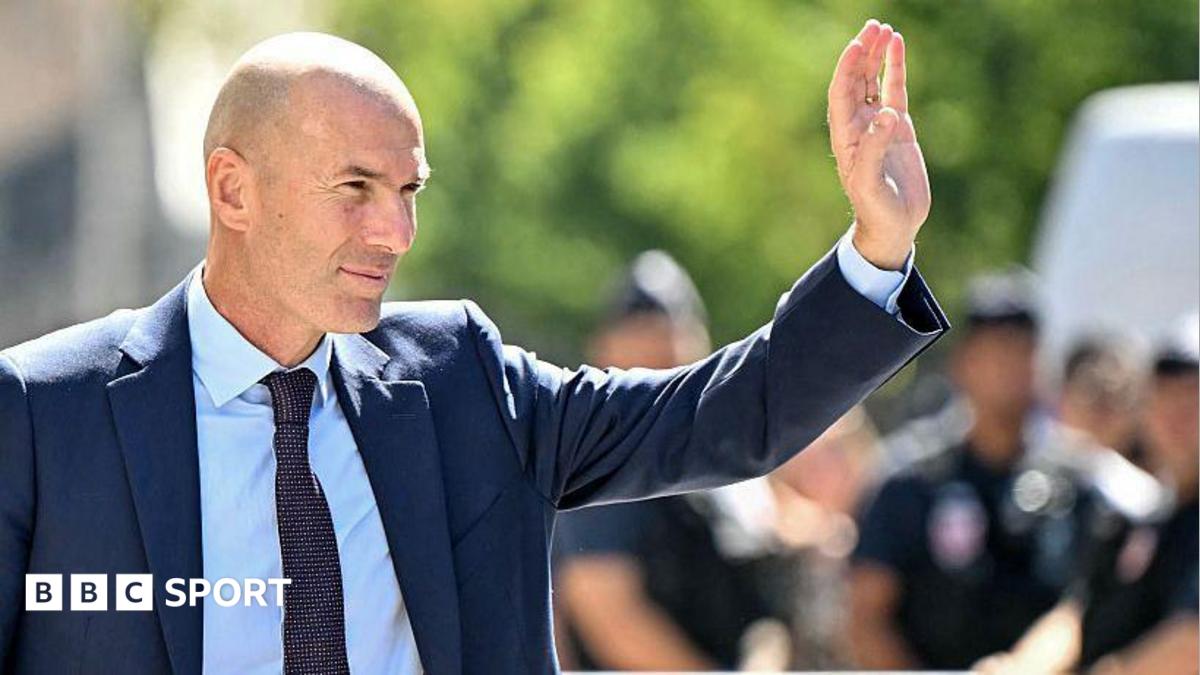
Zinedine Zidane officially stepping into the France dugout after a half-decade away from club management is a gamble masquerading as a prestige appointment. The modern international game has accelerated significantly since his departure from Real Madrid in 2021. High-pressing triggers and vertical transition patterns have become the baseline for elite football.
Zidane’s philosophy at Madrid relied heavily on individual brilliance and the ability of a veteran core to solve problems on the fly. At the Bernabéu, his team averaged a 68% possession rate during his final title-winning campaign, yet they often lacked a discernible defensive structure in transition. Relying on the defensive recovery speed of Varane or Ramos is one thing. Trying to replicate that with a younger, less experienced generation of French defenders is a different math problem entirely.
Tactical friction with the current roster
The current France squad has evolved past the need for a hands-off manager. They possess a dizzying array of talent, but history shows they require rigid instructions to prevent lulls in intensity. Zidane historically prefers a fluid setup that avoids over-coaching offensive movements. When that works, it results in the kind of dominance we saw in his Champions League three-peat. When it stalls, the team looks disjointed and lazy in the final third.
His lack of experience in the international sphere is a glaring red flag. International managers are not just coaches; they are squad architects who balance domestic club form with national team history. While Zidane waited for France as his preferred destination, he has missed the tactical evolution happening in the Nations League and recent qualifiers. He arrives into a space that demands rapid tactical adaptation.
The discipline deficit
One structural flaw remains from his Madrid tenure: the inability to integrate younger rotational players effectively without upsetting the established hierarchy. Kylian Mbappé and his peers require a manager who can modulate egos and maintain a clear tactical mandate. Zidane’s previous success was built on deference to established superstars. If he continues this trend, he will ignore the emerging talent in midfield that needs consistent minutes to thrive.
Expect a slow, painful start to the cycle where the team struggles to break down low-block opponents. They will rely too often on individual moments of brilliance rather than coherent attacking phases. The transition phase for Les Bleus will be messy, and the federation will likely find themselves regretting the decision to look backward instead of hiring a manager actively engaged in building the next ten years of the national squad.