The Big Picture
The 2026 football calendar has been defined by extreme financial politicking and the rapid recalibration of team expectations. From boardroom overtures at FIFA to on-pitch injury crises, the sport remains in a state of high-stakes volatility.
10. FIFA Incentive Strategy
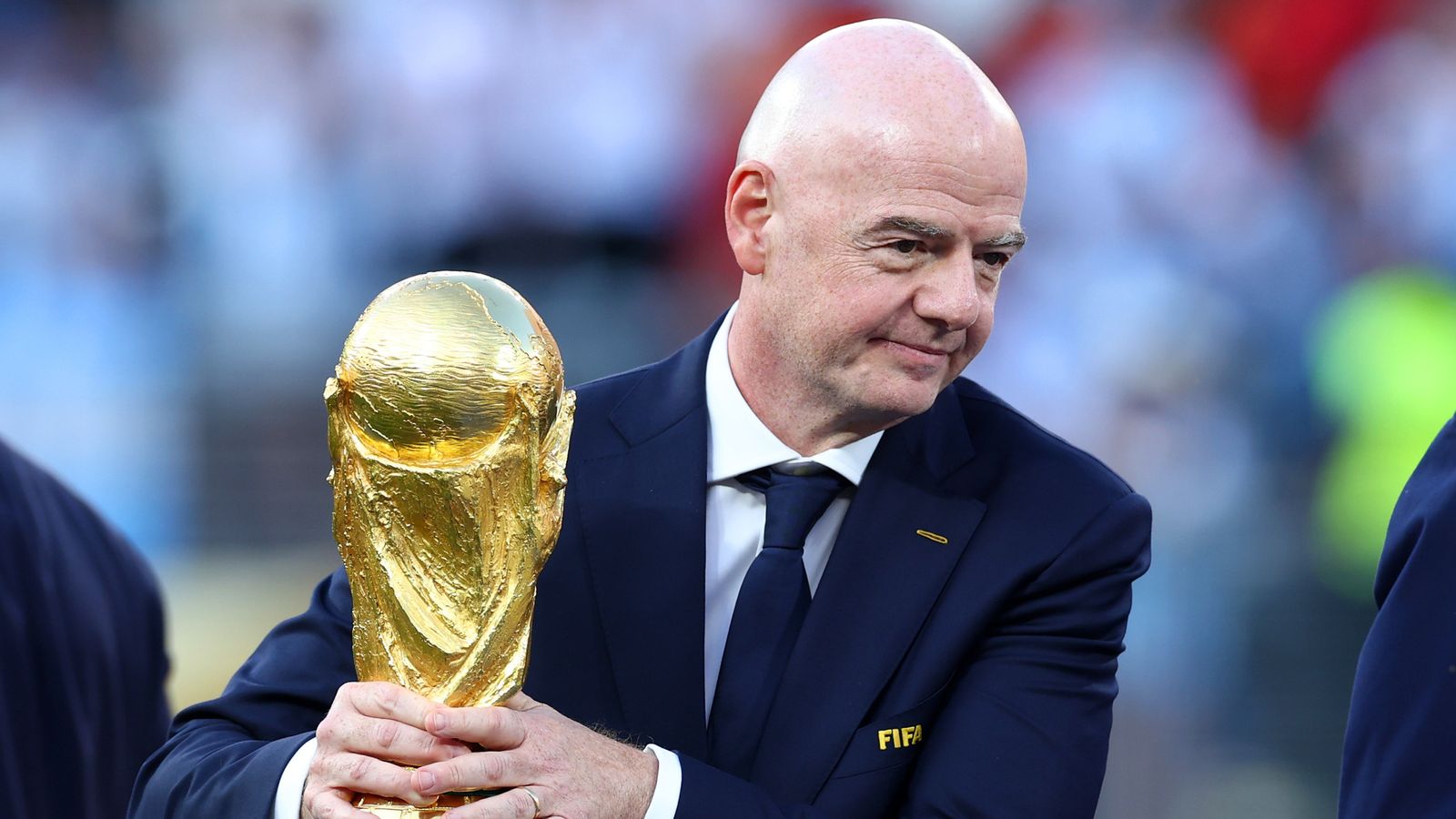
Gianni Infantino’s recent proposal for a 30 million pound incentive for member associations represents a shift in institutional lobbying. This cash offer is designed to secure support for structural reforms that remain highly unpopular with traditional governing bodies. It ranks tenth because while the money is staggering, the long-term impact on the game remains speculative.
9. Mathys Tel Injury Scare
Tottenham fans were left holding their breath during the July 2026 Australia tour. Mathys Tel pulled up with a hamstring issue in the 68th minute during the friendly match against Sydney FC. The club has not provided a recovery timeline, which casts a shadow over their preparations for the upcoming competitive cycle.
8. Kilmarnock tactical shift
Neil McCann has forced a change in philosophy at Rugby Park. By abandoning defensive survivalism, Kilmarnock turned heads in the Scottish Premiership. The move signifies a broader trend where mid-tier clubs are finally opting for aggressive tactical setups against stronger opposition.
7. The Rise of the Mid-Table Press
European qualification spots in the Scottish Premiership have become a chaotic race. The lack of defensive rigidity across the league has resulted in higher scorelines and more unpredictable outcomes. It is a welcome change from the stagnation of previous years, though it exposes clear structural weaknesses in defensive coaching.
6. FIFA Internal Friction
The push for widespread structural changes has caused significant friction between the FIFA executive office and continental confederations. Voting blocs have fractured based on these proposed incentives. This creates an environment where personal gain is prioritized over standard footballing development.
5. Sydney FC defensive resilience
Sydney FC managed to frustrate Tottenham during the July preseason fixture despite a massive disparity in talent. Their ability to hold defensive lines under pressure suggests the A-League is punching well above its financial weight. This performance earned them recognition as a team capable of upsetting larger clubs regardless of the narrative surrounding guest sides.
4. Tottenham Squad Depth Testing
The injury to Mathys Tel highlights the flaws in Tottenham's recent transfer business. Relying heavily on specific forward talent leaves the rotation vulnerable when one key component goes down. 68 minutes into a summer friendly should not be where a season derailment begins, yet the lack of cover is glaring.
3. Scottish Premiership tactical turnover
The league has seen a 15 percent increase in goals scored per game compared to 2025. This shift toward total football at clubs like Kilmarnock proves that money is not the only variable in success. It remains a high-risk approach, but it rewards the bold managers who refuse to play for draws.
2. Financial Influence on Policy
The 30 million pound figure floated by leadership is not just a bribe, it is proof that governance functions through liquidity. Smaller nations now have a clear price tag for their political support. This moment marks a dark turn where democratic processes in football are replaced by transactional auctions.
1. The 2026 Transfer Market Stagnation
While clubs are spending, the movement of top-tier talent has stalled in July. Teams are holding their assets until the very end of the window to avoid wage inflation. This delay has created a buildup of pressure that will inevitably lead to panic buying in August. It is the most significant issue facing executives today.
Honorable Mentions
Sydney FC's midfield energy, the continued development of young wingers in Scotland, and the quiet improvement of tactical scouting across the lower leagues all deserve credit. These stories are moving underneath the surface, even if they lack the headline-grabbing price tags of institutional drama.
Read Next
- Top 10: Defining Moments of the Scottish Premiership Opener
- Steve Clarke is gone and the Tartan Army is in a full-blown civil war
- Spurs are doing the absolute most and the fans are losing their minds
- Top 10: Defining Moments of the 2026 Scottish Premiership Campaign
- ⚽ Scottish Premiership 2025-26 — Celtic vs Rangers Hub