The Big Picture
Professional football in mid-2026 is defined by high-spending clubs correcting for previous tactical stagnation. We are seeing a shift where raw expenditure is finally being tethered to specific, rigid squad-building requirements.
10. The 2026 Winter Window Efficiency
Clubs moved away from the January bloat that plagued the 2025 season. Spending hit a more disciplined mark as scouts prioritized positional fit over market brand recognition. This shift suggests front offices have finally regained control from agents who dominated previous cycles.
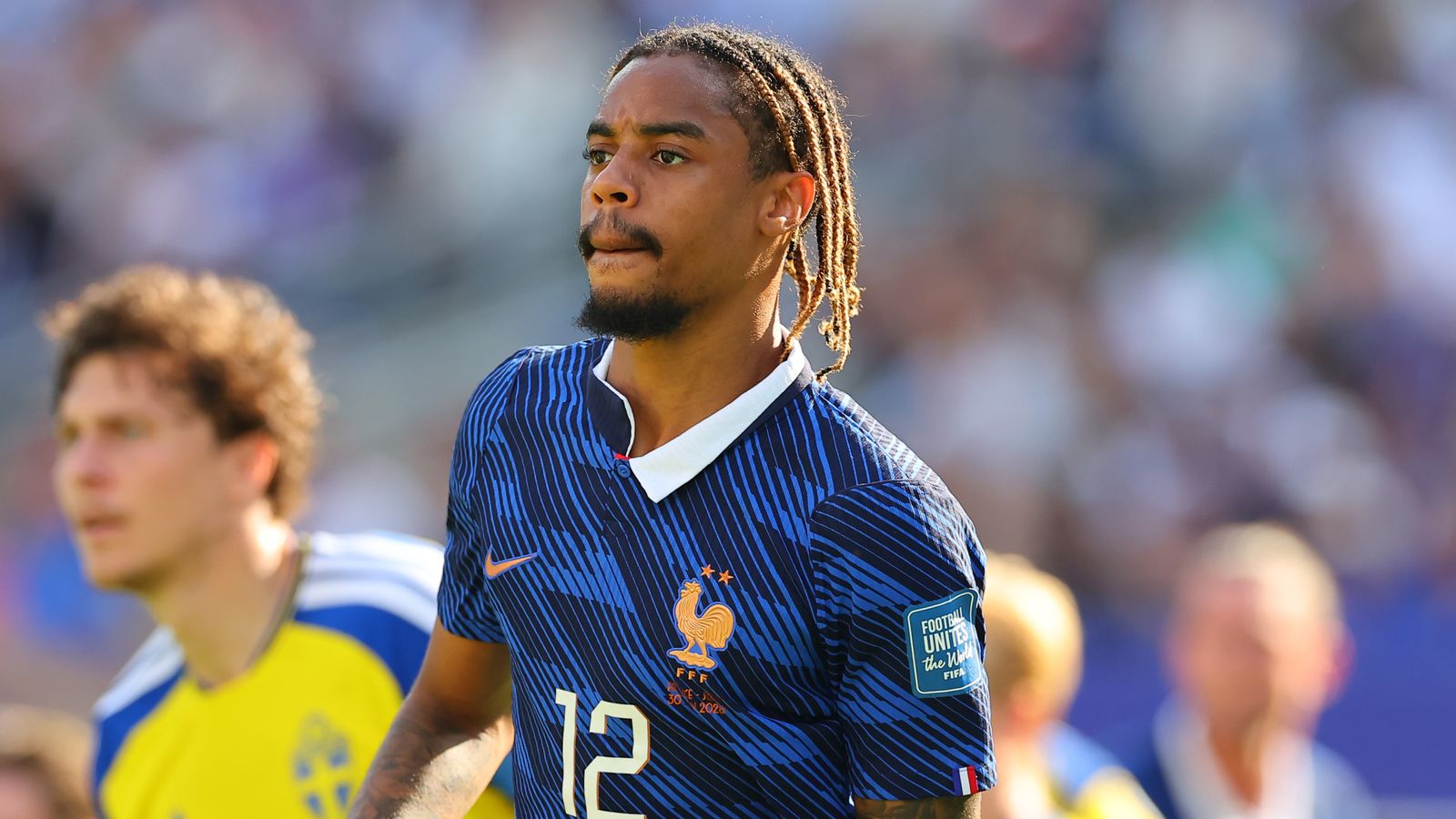
9. Bradley Barcola's PSG Contract Standoff
The winger has been a lightning rod for transfer speculation since early summer. As Sky Sports reports, Liverpool is now moving to open formal negotiations for the Frenchman. Failing to secure his signature would represent a significant setback for the Anfield recruitment team’s wide-forward strategy.
8. The Adoption of Tactical AI Scouting
Recruitment departments have transitioned to predictive modeling for tracking 19-year-olds in South American leagues. This has killed the 'scouting discovery' myth, as data teams now identify talent long before a scout ever steps onto a pitch. It makes the job harder for scouts but theoretically safer for the sporting directors.
7. The Rise of the False Wingback
Tactical innovations have pushed the traditional fullback into a central creative role this season. Coaches are abandoning the touchline-hugging role that defined the early 2020s. Teams that failed to adapt their rosters to this position are currently sitting in the bottom half of their respective tables.
6. The Capped Transfer Fees Strategy
Major leagues implemented internal soft caps, leading to a strange decline in blockbuster signings over 100 million. Clubs are now spreading that capital across three players instead of one. This approach favors squad depth over star power and has created a more competitive middle-of-the-pack performance.
5. The Premier League’s Officiating Overhaul
Mid-season technical rules were adjusted to limit VAR intervention time to under 60 seconds. The result has been a noticeably higher tempo in matches and fewer interruptions during critical momentum shifts. Critics argue accuracy has dipped, but the viewing product is undeniably faster.
4. European Super Cup Tactical Shifts
Recent high-profile matches showcased a move toward low-possession counter-attacking football again. The high-press era that seemed unstoppable three years ago is being countered by vertical passing patterns. It proves that tactical trends in the sport are cyclical, not linear.
3. The Decline of the Traditional Number Nine
The pure target man is effectively dead, replaced by strikers who operate in midfield. Teams that rely on stationary forwards are finding it impossible to break down low blocks in the final third. Players who play with their backs to the goal are being benched for mobile, agile attackers.
2. Club Revenue Diversification
Top teams are moving away from dependency on domestic broadcast rights. Commercial partnerships in the APAC region have skyrocketed, accounting for a massive 40 percent increase in non-matchday income. This revenue shift empowers clubs to ignore domestic media disputes and invest in global expansion.
1. The Anfield Recruitment Rebuild
Liverpool is currently at the center of the biggest story of the year as they attempt to overhaul their forward line. The pending move for Barcola is the ultimate test of their new hierarchy's ability to execute complex, high-value deals. If they pull it off, it will be the defining business move of the 2026 calendar year.
Honorable Mentions
The failure of the mid-tier loan market to produce quality depth pieces remains a glaring issue. Furthermore, the persistent injury rate among high-intensity pressers has forced managers to rotate squads at an unsustainable pace, leading to dropped points in critical fixture blocks.