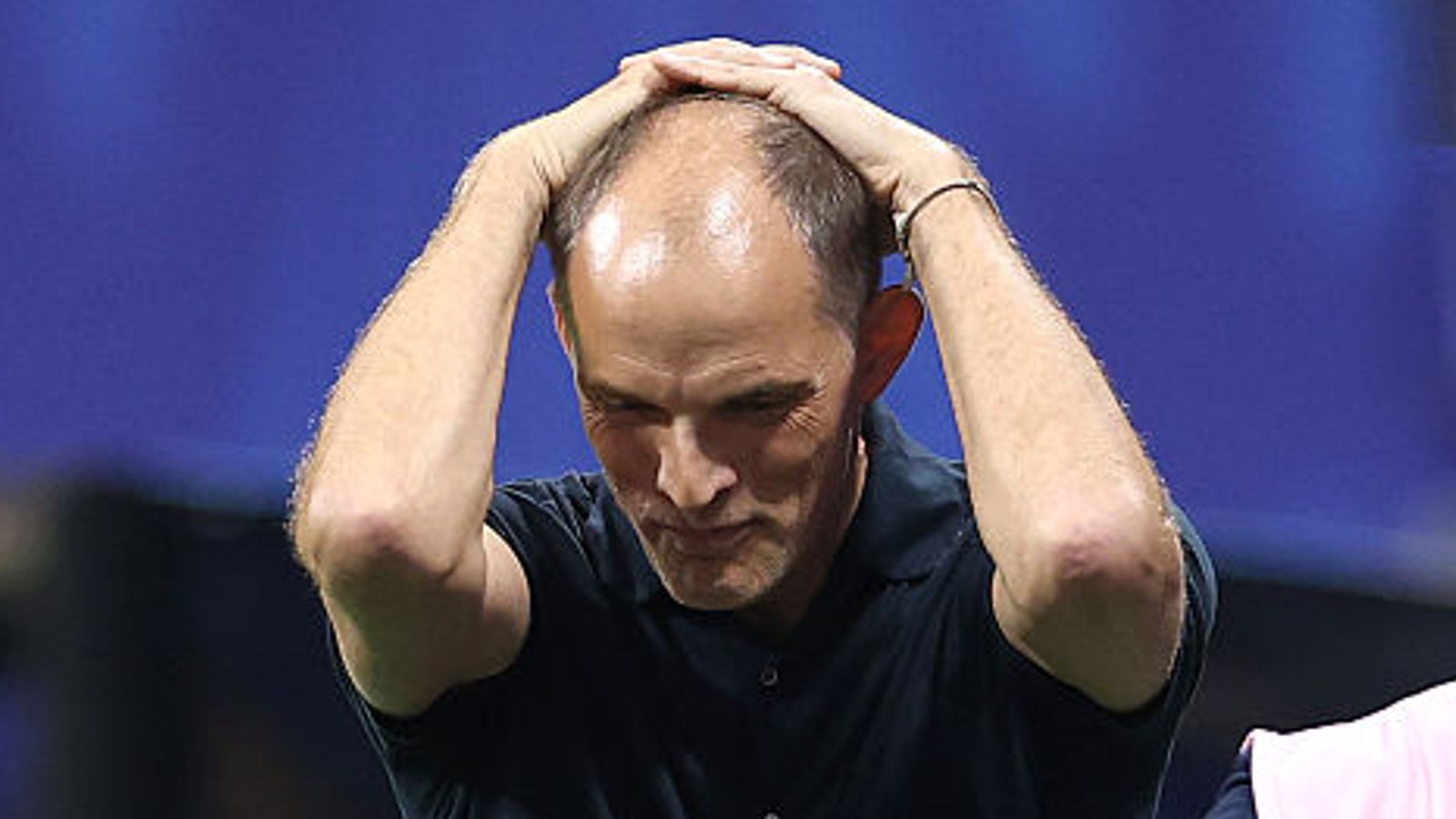
The Physical Breakdown in Miami: Cumulative Fatigue Costs England
England were five minutes away from reaching their first World Cup final since 1966 before their physical tank hit zero in Miami. Anthony Gordon had put the Three Lions ahead in the semi-final against Argentina, but the cumulative physical toll of a grueling tournament finally caught up with Thomas Tuchel's squad. Late goals from Enzo Fernandez and Lautaro Martinez turned the match on its head, sealing a 2-1 victory for Argentina and ending England's dream in agonizing fashion.
Speaking publicly for the first time since the tournament concluded, Tuchel pointed directly to severe player fatigue as the primary trigger for England's late structural breakdown. In an official documentary released by Sky Sports, the head coach defended his controversial second-half substitutions while acknowledging his players could no longer sustain high-intensity defensive pressing or retain possession.
blockquote>"You can try to kill me here. But it's my scar, it's not your scar. I have to live with it," Tuchel said when reflecting on the tactical fallout.The physical decline was not immediate; it was a progressive systemic collapse. England played well in the first half, maintaining composure and creating opportunities through Declan Rice and Harry Kane to extend their lead. However, once Argentina dialed up their pressing intensity, England's outfield players lacked the muscular endurance required to relieve pressure or build out from the back.
Altitude, Heat, and Extra-Time: How England's Load Management Unraveled
Sports performance data illustrates how compounding physical stress degrades athletic output over short recovery intervals. England spent 70 minutes trailing and chasing against DR Congo in the group stage, starting a chain of physical depletion that worsened during the knockout rounds. Playing with 10 men in the thin air of Estadio Azteca against Mexico placed extreme strain on the squad's cardiovascular capacity and leg muscles.
A subsequent flight to Miami for a grueling extra-time victory over Norway in severe heat and humidity further accelerated muscle damage across the starting lineup. By the time England kicked off against Argentina, key starters were operating on drained glycogen reserves and elevated muscle damage markers. Tuchel cited this precise sequence of physical burdens when analyzing why his team lost control of the ball.
"It just piles up through the tournament. Congo, 70 minutes trailing 1-0, Mexico the altitude, flying to Miami and playing against Norway. We are tired. And still we hang on until the 88th minute," Tuchel stated in the documentary interview featured on Sky Sports.
The physical tipping point arrived midway through the second half. Giuliano Simeone sliced through midfield on a dangerous counter-attack, forcing Djed Spence into a maximum-effort recovery tackle inside the box. That desperate sprint signaled to Tuchel that his team was physically spent and unable to control the tempo.
"It did something to me, it maybe did something to the players," Tuchel admitted regarding the Spence tackle. England immediately retreated into a defensive mindset, playing as though only four minutes remained on the clock rather than 30 minutes.
Tactical Panic or Biological Necessity? Examining Tuchel's Early Back-Five Pivot
Following a crucial save by Jordan Pickford to stop Nicolas Gonzalez just before the final water break, Tuchel made his move. He subbed off goalscorer Anthony Gordon and brought on defender Ezri Konsa. The tactical change shifted England from a four-man backline into a 5-3-2 structure, which eventually flattened into a deep 5-4-1 block. Critics, including pundit Gary Neville, questioned whether retreating so early invited unnecessary pressure.
blockquote>"A key moment if I look back at it and what happened to my decision-making, we conceded a big, big chance right before the water break. And I thought: we will not survive. This is waiting for death," Tuchel explained.Argentina manager Lionel Scaloni responded to England's retreat by committing numbers forward in waves. Argentina deployed an aggressive 3-1-6 attacking structure, placing four central attackers alongside two wide wingers to overwhelm England's low block. Alexis Mac Allister rattled the crossbar shortly after the break, confirming that England's defensive shell was coming under relentless siege.
From a medical and tactical perspective, retreating into a low block without ball possession creates continuous eccentric muscle stress for central defenders. Because England could not string passes together or move the ball around Lionel Messi, their backline was subjected to repeated aerial duels and goal-line clearances. The relentless pressure eventually broke England's resistance in the 88th minute when Fernandez equalized, followed shortly by Martinez's winner.
Here is how England's physical load accumulated throughout their knockout run:
- Group Stage & Round of 16: Chased for 70 minutes against DR Congo before playing with 10 men in high altitude at Estadio Azteca against Mexico.
- Quarter-Final: Pushed through 120 minutes of intense extra-time action in heavy Miami humidity against Norway.
- Semi-Final: Muscular exhaustion forced a total surrender of ball possession after the 65th minute against Argentina.
Critical Assessment: Load Management and National Team Fallout
Tuchel's post-match explanation provides clear context, but it also highlights significant flaws in game management under physical duress. Retreating into a deep block with 30 minutes remaining against elite opposition rarely works when a team lacks the legs to launch counter-attacks. When players are exhausted, sitting deeper only condenses the field and gives the opponent total control of the tempo.
Reports following the semi-final indicated that several England players were bemused by the tactical shift to a back five. Switching from an assertive setup to a passive defensive shape compromised the team's natural game plan. Rather than introducing fresh midfielders to maintain pressing triggers, Tuchel added extra defenders, which eliminated England's outlets and trapped them in their own penalty box.
Historical precedent demonstrates that national teams struggling with load management in summer tournaments often suffer late structural breakdowns. At the 2018 World Cup, Croatia battled through three consecutive extra-time matches before running out of energy in the final against France. England suffered a matching physical decline in Miami, failing to balance high-intensity exertion with squad rotation across four demanding weeks.
As modern football schedules place greater physical demands on players, national team performance departments must refine recovery protocols for extreme environments like high altitude and high heat. Tuchel took full responsibility for his tactical decisions, but the underlying physical data shows England were running on empty long before the final whistle blew.
Read Next
- Raheem Sterling's guilty plea marks a grim new low in a rapid career decline
- Joe Lowry on Total Soccer Show: "There are more promising young players coming up through the pipeline right now that...
- Howard Webb's obsession with speed just broke the Manchester derby
- European Tactical Fires and MLS Structural Shifts: The TSS Week Ender Breakdown
- 🏆 World Cup 2026 — Full Coverage Hub
- 🇦🇷 Argentina World Cup 2026 — Defending Champions Hub