Tier 2 Report: The Zurich Standoff
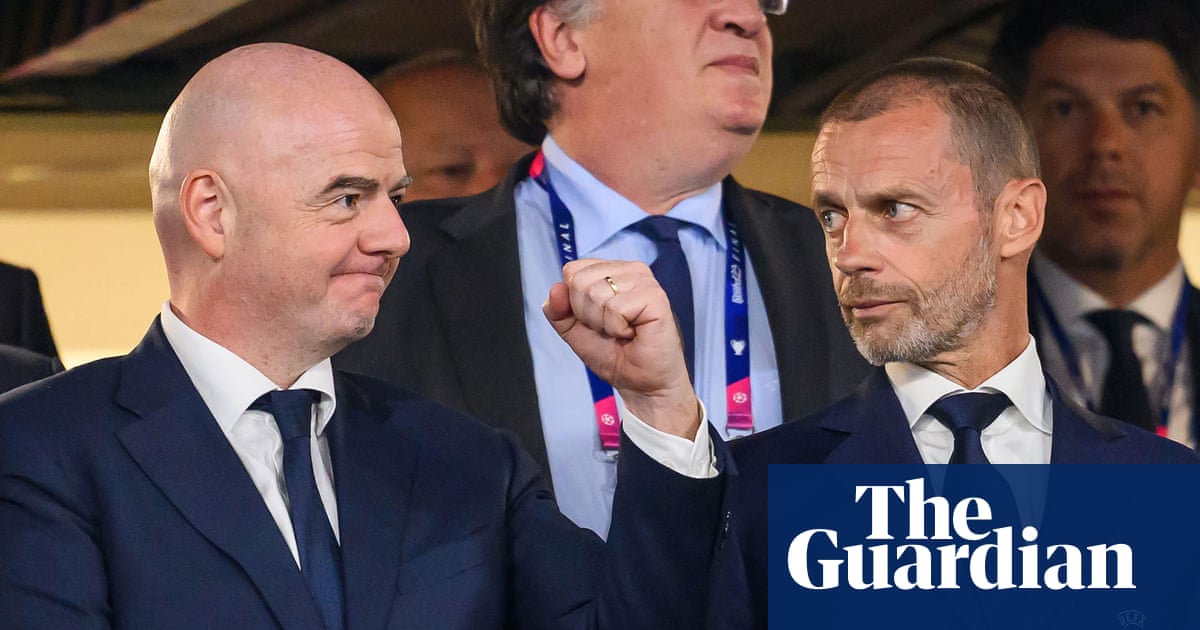
Gianni Infantino's grand plan for FIFA has collapsed into open conflict with European and American football authorities. What was designed as an absolute consolidation of global football governance has devolved into a direct war with UEFA and CONCACAF. The presidency sits on razor-thin ground following the outright rejection of his controversial tournament models.
Despite the severe political damage in Zurich, European football's governing body faces a fundamental problem in pushing Infantino out. UEFA lacks a unified challenger capable of consolidating voting blocks across Africa and Asia. Without an alternative candidate lined up, the rebellion risks stalling before the next FIFA Congress.
The Tactical Fit and Political Friction
Infantino's strategic misstep stems from overestimating his leverage over European clubs and confederations. The proposal to expand international match calendars met immediate resistance from UEFA executives, who viewed the move as an direct threat to the Champions League structure and domestic league revenue streams.
CONCACAF's alignment with UEFA marks a rare trans-Atlantic opposition block. European boardrooms view the current friction not just as a policy debate, but as a total breakdown in structural cooperation between Zurich and Nyon. Yet, political opposition without a figurehead rarely yields a change in leadership at FIFA headquarters.
Fee Estimates, Wages, and Power Dynamics
The financial stakes revolve around global broadcasting rights and commercial revenue distributions. UEFA controls the highest-earning domestic and continental competitions in the sport. Infantino's proposed expansion was designed to capture a larger share of that corporate revenue pool for FIFA's central reserves.
European clubs have responded by threatening boycotts and refusing to adjust their domestic schedules. The financial risk for FIFA is severe, as commercial partners in North America and Western Europe hesitate to finalize long-term broadcast contracts amid regulatory uncertainty.
Probability Assessment
The chances of an immediate leadership change remain low to medium despite the widespread revolt. Infantino retains strong structural support among smaller member associations who benefit directly from FIFA's financial distribution models. Without a credible European candidate actively campaigning, Infantino maintains a defensive advantage.
We rate the probability of UEFA successfully unseating Infantino in the short term at 35 percent. The movement has strong momentum in Europe and North America, but lacks the global diplomatic network required to secure a voting majority.
Expected Timeline and Impact
Expect formal political maneuvering to escalate over the next six months leading into the upcoming confederation meetings. UEFA delegates are scheduled to meet in late 2026 to discuss candidate strategy and voting coordination ahead of the next presidential election cycle.
If UEFA fails to draft a candidate, Infantino will likely push through a modified version of his calendar reforms, albeit with reduced scope. If European leadership unifies behind a single rival, FIFA faces its most volatile election cycle since 2015.