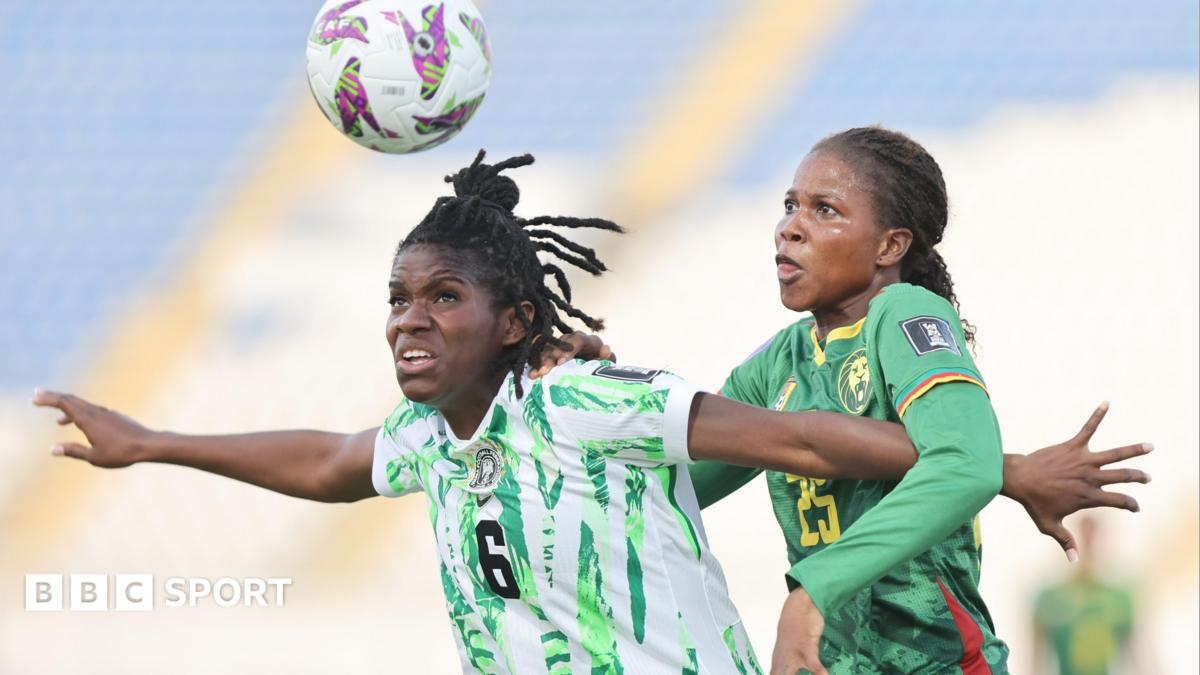
Tournament Readiness and The Fitness Reality
As the Women’s Africa Cup of Nations begins Sunday in Morocco, the focus shifts immediately to squad depth. Nigeria enters as the favorite, aiming for their 11th title. However, the physical toll of a truncated preparation period remains a concern for coaching staffs across the board.
Injury management is the quiet engine powering this tournament. National committees have spent the last six weeks navigating the transition from domestic club cycles to tournament-intensity training. Muscle fatigue, rather than major trauma, represents the primary threat to performance in the opening group matches.
The Tactical Cost of High-Intensity Pressing
Modern tactics necessitate aggressive high-pressing, a style that puts massive strain on hamstrings and calves. In the lead-up to this year’s Wafcon 2026, analysts have observed a surge in early-onset fatigue among midfielders tasked with box-to-box duties. If a team lacks quality rotation, that pressure on key personnel becomes a liability by the third match day.
The scheduling dynamic creates a difficult environment for teams. With the men's World Cup having occupied the global spotlight so recently, many federations struggled to secure top-tier recovery technology for their traveling parties. Players are arriving with varying degrees of professional support.
Contextualizing Current Medical Management
Historically, Wafcon has tested teams on their ability to weather attrition. When Nigeria secured their previous crowns, they often did so by dictating tempo to avoid aerobic exhaustion. Teams that fail to manage rotation this week will likely see their defensive lines crumble by the knockout stages.
We have seen this play out in previous cycles: teams that burn through their starting XI in the group phase rarely survive the quarter-final hurdles. The 11th title pursuit for Nigeria serves as the primary storyline, but their ability to keep their defensive core healthy without overworking them will define their success.
There is a recurring flaw in tournament planning that persists regardless of the region. Many federations prioritize results in the first two matches at the expense of player health for the duration of the tournament. It forces medical staffs into impossible positions where they must choose between a fit player in a dead rubber game or a rested player during a high-stakes final match.
The Competitive Advantage of Preparation
Egypt and Cape Verde are entering this set of fixtures with an opportunity to capitalize on the lack of institutional stability elsewhere. Both nations have invested heavily in scouting and sports science over the last two years. If they can avoid early soft-tissue injuries, they represent the biggest threats to the established order.
Competitive parity is improving, but the gap in medical funding remains a significant frustration. Talent is distributed relatively evenly across these rosters, yet the capacity to prevent chronic injury or rapid recovery varies wildly among the competing nations.
The opening matches in Morocco will serve as the ultimate stress test. We are looking at a 3-week sprint where depth matters more than star power. If a squad experiences a significant injury to a pivot player, the tactical shape of that entire team is likely to shift immediately.
Expect to see conservative, low-block defensive setups from smaller teams early in the tournament. This is a common strategy to mitigate the risk of injury while preserving energy. It is a tactical decision driven as much by physiology as it is by formation.
Strategic Implications for the Coming Month
As the tournament progresses, the reliance on set pieces will likely increase as technical precision declines with general fatigue. Teams that have spent the last month sharpening their delivery accuracy will have a distinct advantage in the final minutes of matches. This is where fitness gaps become fatal.
The lack of formal medical bulletins from some federations adds a layer of uncertainty for observers. We are entering this tournament relying on training session observations and press clippings rather than transparent health reports. This lack of transparency is a disservice to the development of the professional game.
In the final analysis, the team that manages its training load the best will triumph at the conclusion. It is less about who has the fastest winger and more about who has the most reliable conditioning staff. The race for the trophy begins on Sunday, but the real winner will be decided in the recovery room.