The credibility of the Zurich office is at an all-time low
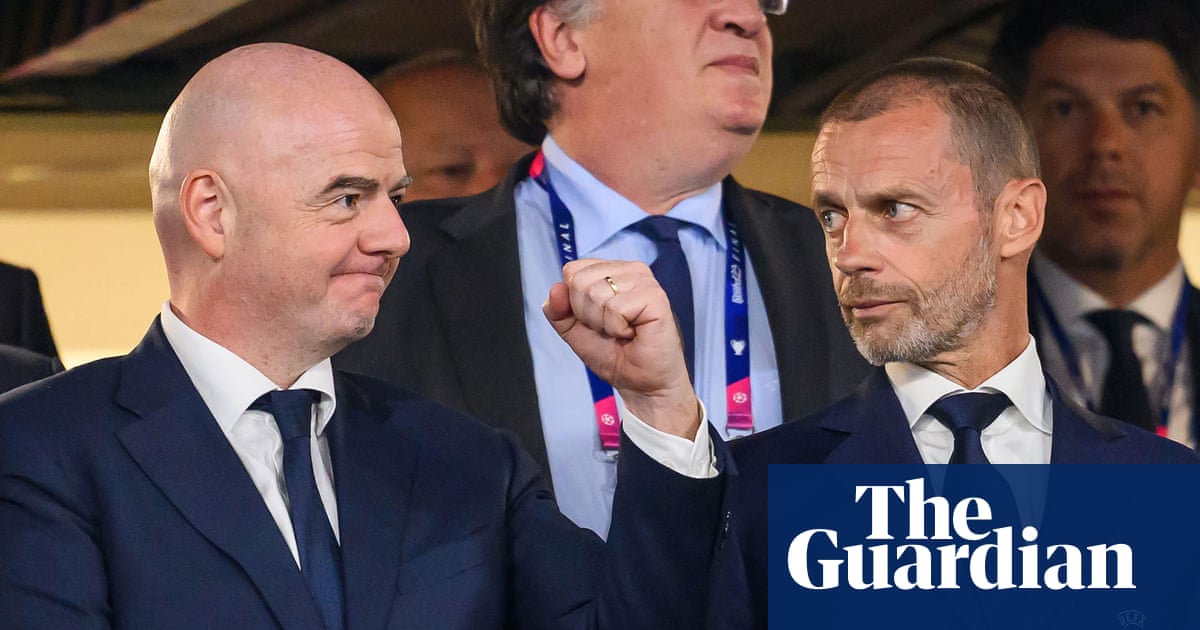
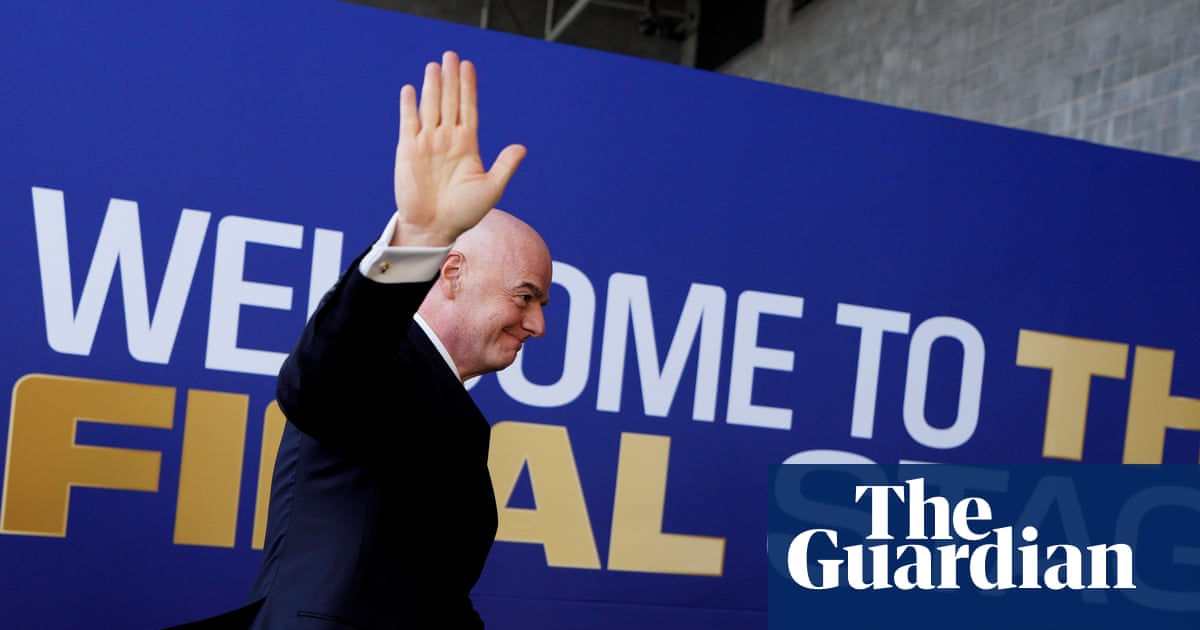
This report tracks the fallout from the failed FIFA privatization initiative, categorized as Tier 2 regarding organizational stability. The aftermath of this financial collapse is rippling through how federations view upcoming tournament funding, particularly concerning the 2026 cycle. With Gianni Infantino under fire, the market is sensing a vacuum in leadership reliability.
As Sky Sports reported, this is an Icarus moment for the current administration. The core issue remains the attempt to commercialize World Cup assets under a veil of secrecy. When private equity firms balked at the terms, the entire house of cards collapsed, leaving clubs and players waiting for clarity on tournament revenue distributions.
The player and the political crossfire
The impact of this failed venture hits hardest on young players who rely on tournament visibility for transfer value growth. While no specific player has seen a deal collapse directly on an FA level, the lack of budget certainty means major leagues are delaying youth squad updates. The uncertainty created by Andy Burnham’s public critique suggests that political friction is now standard for any high-level move involving FIFA-sanctioned events.
Tactically, clubs are pulling back from scouting heavily for tournament-dependent transfers. If the financial engine of the World Cup is in question, the standard trickle-down of transfer bonuses is jeopardized. We are looking at a market where managers are hesitant to commit to 8-figure fees without knowing if tournament-based incentives will actually materialize. The structural risk is no longer theoretical; it is a budget line item for scouting directors.
Contractual ambiguity and the women’s game
The most egregious failure in the aborted 25-page sales deck was the complete erasure of women’s football. As noted by The Guardian, the exclusion of the women’s game from the financial future of the sport is a damning indictment of current leadership. This lack of strategic foresight means any transfer market projection for the women’s game is currently operating in a void.
Contract lengths and salary structures for top talent are stalling. Agents are demanding longer terms to hedge against the volatility in FIFA’s headquarters. We are seeing a shift where players prioritize stable domestic league contracts over tournament performance clauses. The current environment does not favor long-term planning, and that is a failure of the governing body to provide a stable foundation for the game.
The organizational breakdown
FIFA’s official stance, claiming the fallout was caused by media reports, has been met with widespread mockery. Internal documents indicate the proposal was flawed from the start. A 25-page document attempting to trade tournament stakes for immediate cash flow was never going to pass a smell test with veteran investors. The reaction from national federations has been swift, with many signaling they will bypass Zurich entirely to handle their own commercial assets.
Critically, the failure here is not just financial; it is a total loss of trust between the governing body and the clubs. When clubs lose trust in the central authority, they stop investing in the pathways the authority creates. This is a negative feedback loop that will impact the next two transfer windows significantly. You cannot have a global transfer market when the entity managing the calendar is arguably insolvent.
Probability Assessment
The probability of a secondary attempt at this privatization scheme in the current climate is 0 percent. The reputational damage to the Infantino administration is too deep. Investors are currently avoiding the FIFA brand like a plague-stricken asset. The likelihood of increased regulation on how FIFA handles its commercial affairs has risen to a 90 percent probability as government intervention becomes a real threat to Zurich’s independence.
Expected Impact
If this leadership remains in place, the impact will be a total stagnation of standardized tournament-based incentives in player contracts. Clubs will move toward domestic performance triggers, effectively decentralizing the influence of international competitions on the transfer market. We expect to see more litigation between clubs and federations regarding revenue distribution from international breaks. The era of the bloated, high-revenue international tournament acting as the primary transfer showcase is likely hitting a hard ceiling. Managers will need to find players through internal academy systems rather than betting on 3-week tournament performances.