The Volatility Behind Liverpool's Fourth-Place Standings
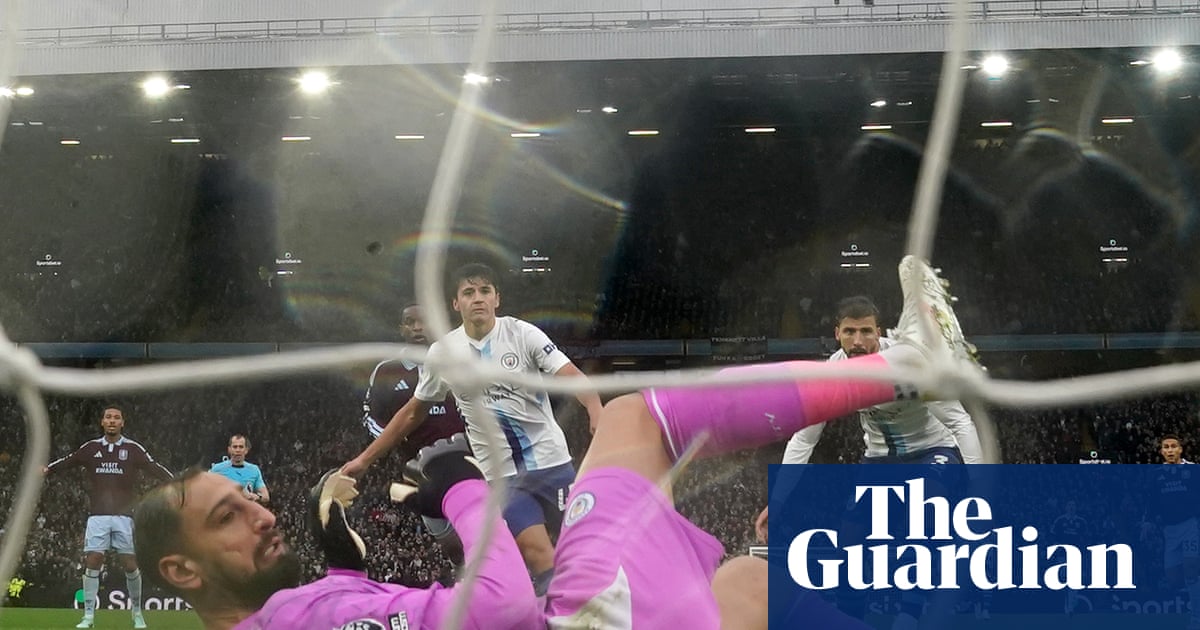
Sitting in fourth position after absorbing a 3-0 hammering from Manchester City defines Liverpool's current reality: resilient results masking acute structural flaws. Andoni Iraola's squad arrives at late October with two consecutive Premier League victories under their belts. Yet those six points fail to erase the memory of the tactical dissection they suffered at the Etihad.
The bounce-back has been necessary. It has also been unconvincing.
Liverpool now prepare to host reigning Premier League champions Arsenal at Anfield on Sunday afternoon. It is an immediate acid test for Iraola's high-tempo framework. Facing Mikel Arteta's relentless side with defensive vulnerabilities lingering is an enormous tactical hazard.
The gap between Liverpool's best attacking sequences and their defensive recovery structure remains alarming. Against Manchester City, the spacing between the double pivot and the back four collapsed under sustained counter-pressing. Two subsequent league wins restored order on the scoreboard, but the underlying balance remains on a knife-edge.
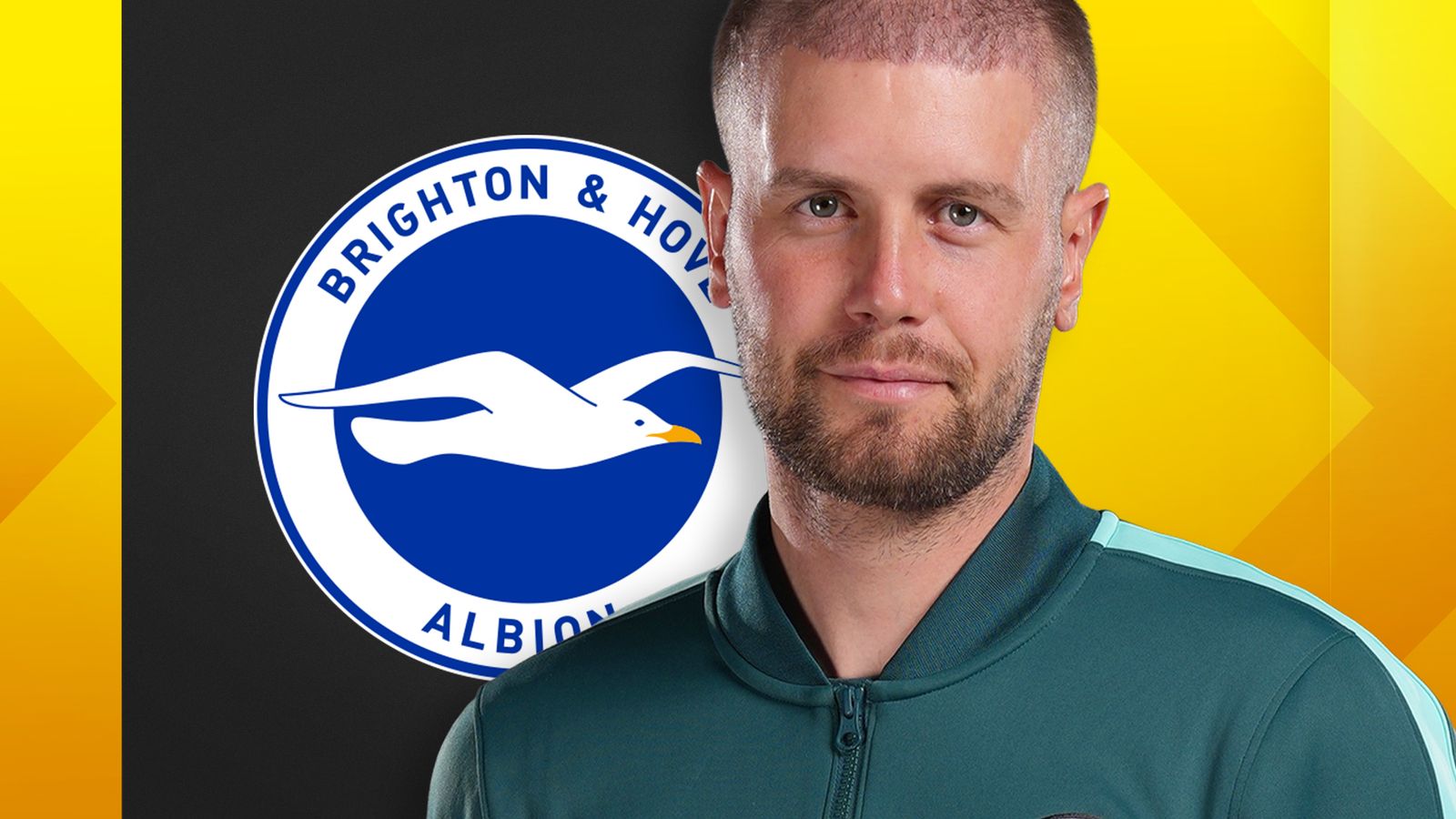
Iraola knows it. The Basque coach was remarkably candid following the recent narrow triumph over Brighton, acknowledging that his team's performance left him wanting more.
The Aftermath of Manchester City and the Brighton Test
Grinding out a win against Brighton preserved Liverpool's European trajectory. Even so, the performance highlighted how much Iraola still relies on raw emotion over tactical coherence. As reported by Mirror Football, the Liverpool boss explicitly demanded that Anfield become an intimidating venue once again.
He views the interaction between supporters and defensive duels as the foundation of his tactical model. Without frantic physical application, his structure loses its teeth.
"The victory over Brighton showed once again the importance of doing the basics well. I love that this is something that our supporters respond to."
Iraola doubled down on that sentiment when dissecting the atmosphere around the club. For a coach accustomed to managing underdogs, the emotional resonance of Anfield is a tactical weapon he intends to harvest.
"This was something I knew already from my time as an opposition manager but feeling it on this side – especially those moments when the whole crowd reacts to a tackle being won or a player showing big desire – is something that, like winning, I could never get enough of."
That admission carries a critical edge. When an elite side must rely on crowd reaction to spark defensive desire, systemic pressing triggers are malfunctioning. Relying on adrenaline to win tackles is an unsustainable strategy against Arsenal.
The Mac Allister Dilemma: Why Peak Age Does Not Guarantee Security
Away from the immediate fixture congestion, a far more significant tactical dilemma is brewing inside Liverpool's squad planning department. Alexis Mac Allister is 27 years old, precisely at the physical apex of an elite midfielder's career. His current terms tie him to Anfield until the summer of 2028.
On paper, he is an untouchable cornerstone. In practice, he might be the first major casualty of Iraola's squad rebuild.
According to claims originating from a Sky Sports Switzerland report, Liverpool are not planning to offer the Argentine World Cup winner an extended contract. Instead, the club hierarchy is actively considering a departure in 2027 as a concrete scenario. That represents a startling revelation for a player who explicitly prefers to remain on Merseyside.
The timing is mathematically calculated. Selling a player in 2027 with exactly one year left on his 2028 deal preserves residual transfer value before free agency eliminates negotiating power.
Mac Allister's representatives are evidently aware of the front office's cold assessment. Reports indicate his agents have already begun exploring options across La Liga, Serie A, and the Saudi Pro League. A player in his prime should command intense bidding wars across continental Europe.
Asset Valuation and Squad Reshaping
Why would Liverpool actively seek to push out their most composed central midfielder? The answer lies in the collision between financial spreadsheets and Iraola's dogmatic tactical requirements.
Under previous tactical regimes, Mac Allister functioned as the primary tempo-setter. He dictated tempo, escaped high-pressing traps through tight-space agility, and linked phases cleanly. Under Iraola, however, midfield play is less about rhythmic circulation and far more about violent transitions.
The Basque manager demands relentless vertical sprinting, aggressive second-ball hunting, and instantaneous defensive recovery runs over 40 yards. That profile exposes Mac Allister's physical limitations. In a frantic end-to-end contest, his lack of recovery speed leaves defensive partners isolated.
Here is why Liverpool's front office is looking toward a 2027 exit strategy:
- Contract math: Allowing a peak 27-year-old to enter the final twelve months of his deal in 2027 forces a sale at maximum asset value rather than losing him on a free in 2028.
- Tactical friction: Iraola's high-octane transitional blueprint requires dynamic runners who cover excessive ground rather than positional ball recyclers.
- Wage reallocation: Clearing Mac Allister's contract before he turns 29 frees vital wage margins for a younger, physically dominant midfield profile.
This is modern football asset management at its most unsentimental. Fans fall in love with cultured touches and technical serenity. Analysts and sporting directors track sprint volumes, defensive duel win percentages, and contract amortization curves.
Dirk Kuyt’s 111-Goal Legacy and the High-Pressing Template
While Liverpool grapple with the evolution of their modern midfield, a blast from the club's past has re-entered the European spotlight. Dirk Kuyt has stepped into the managerial arena as interim manager of Fenerbahce. The 46-year-old former Dutch attacker faces an immediate trial by fire.
Kuyt was appointed following the dismissal of Ismail Kartal. Kartal's fate was sealed by a bitter 2-1 derby defeat to rivals Galatasaray, triggering boardroom panic in Istanbul.
The Turkish powerhouse has placed Kuyt in temporary control for exactly 3 matches before the international break arrives. His assignment begins domestically against Goztepe this weekend. Then comes the monumental emotional hurdle: an Anfield return on Wednesday, November 4 in the Champions League.
Kuyt's return serves as a fascinating historical mirror for Iraola's tactical ambitions. During his six-year playing spell at Liverpool, Kuyt produced 111 goal contributions. That output was built not on divine individual technique, but on monstrous, unceasing running power.
Kuyt was the original defensive forward before analysts invented the terminology. He tracked opposing fullbacks to his own penalty box, pressed center-backs into errors, and arrived late at the back post to convert scraps. He delivered end product while embodying the exact baseline effort Iraola is currently begging his squad to reproduce.
When Iraola discusses the Anfield crowd roaring for a won tackle, he is essentially describing the Dirk Kuyt prototype. The Dutch icon proved that relentless running and positional selflessness generate tangible attacking production. Modern wingers who neglect defensive cover could learn plenty from his tape.
The Arsenal Showdown: A Structural Trial by Fire
The immediate problem confronting Liverpool is neither Kuyt nor Mac Allister's 2027 contract. It is Arsenal arriving on Sunday afternoon with the swagger of reigning champions.
Arsenal's tactical structure is the antithesis of chaos. Mikel Arteta has built an automated machine that chokes opponents through territorial asphyxiation. They do not rely on crowd momentum; they rely on positional discipline, suffocating rest defense, and surgical half-space overloads.
If Liverpool produce the passive defensive transition lapses that saw them dismantled 3-0 against Manchester City, Arsenal will pick them apart. The two-match winning streak papered over cracks that elite opposition will ruthlessly target. Grinding out three points against Brighton is vastly different from resisting Arsenal's sustained pressure.
This is where Iraola's project meets its defining fork in the road. Does he compromise his pressing intensity to protect a vulnerable back four? Or does he demand the frantic, duel-heavy brawl he so clearly craves?
Sunday will provide empirical answers. If Liverpool fold under Arsenal's structural precision, the calls for a deeper squad overhaul will only grow louder. The numbers already point toward a squad caught between two eras: technical controllers who cannot sprint, and a manager who refuses to slow down.
Read Next
- Liverpool look thrilling under Iraola, but their defense is a massive worry
- Florian Wirtz finally fired back at Jamie Carragher and fans are divided
- Liverpool's January transfer scramble is all about fixing summer mistakes
- Arsenal want out of the Viktor Gyokeres business already
- 🇦🇷 Argentina World Cup 2026 — Defending Champions Hub