Measuring the efficiency of Tomiyasu’s defensive output
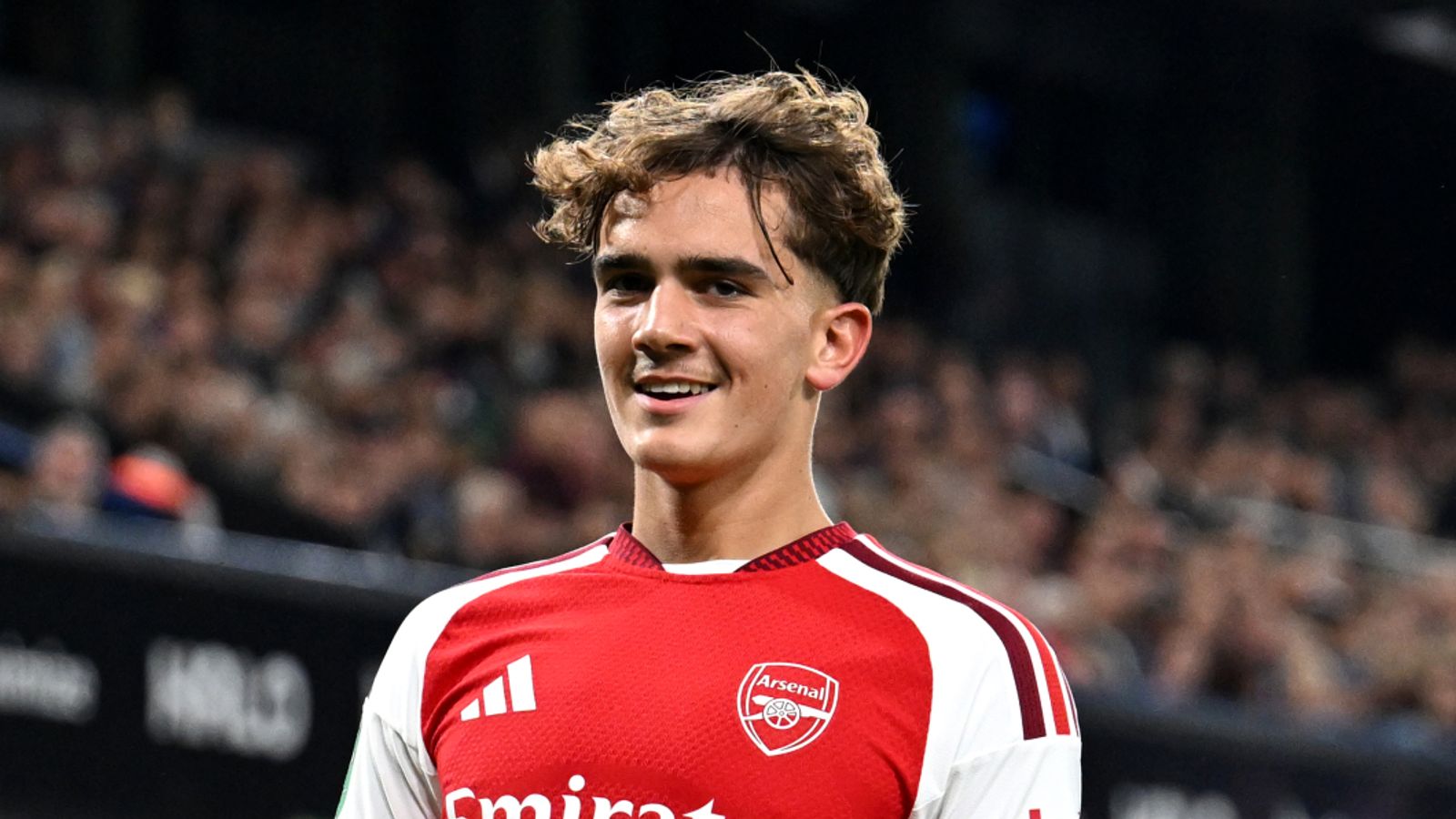
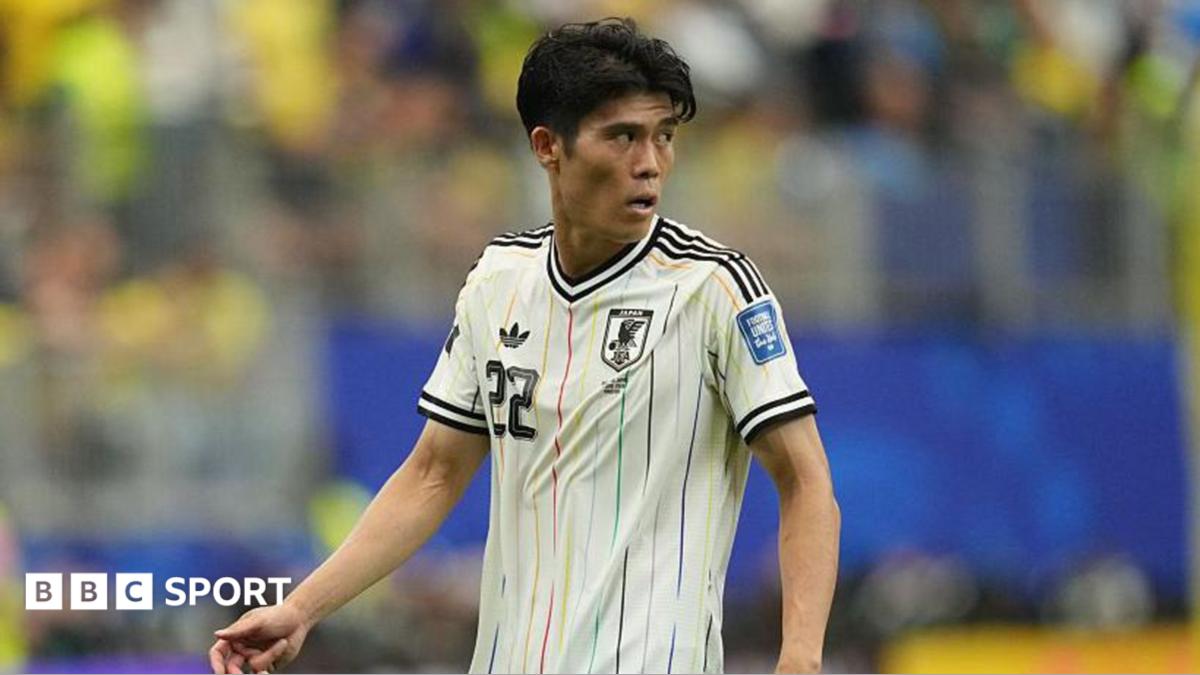
Crystal Palace have opened formal talks with Takehiro Tomiyasu, a move that places the former Arsenal defender firmly at the center of their defensive reshuffle. Following his appearance as a substitute in the friendly against Lens, the tactical logic behind this pursuit rests on the Japanese international’s positional versatility.
During his tenure at Arsenal, Tomiyasu maintained a pass completion rate of 84.7% under high-pressure scenarios. His ability to tuck inside as an inverted fullback provided Arteta with a narrow back three in possession, neutralizing central counter-attacks before they could develop into high-xG opportunities.
The defensive fragility underlying the Palace recruitment
However, the statistical reality of Tomiyasu’s availability remains the primary point of concern for Palace analysts. Between 2022 and 2026, the defender missed 42 competitive matches across all competitions due to recurring muscular injuries.
While his technical floor is undeniably elite, his availability coefficient sits at roughly 58%. For a team like Crystal Palace aiming to stabilize their defensive metrics, relying on a player who failed to surpass 2,000 minutes in a single campaign since leaving Bologna renders the investment precarious.
Tactical alignment in Glasner’s system
In Oliver Glasner’s current setup, Palace often deploy high wing-backs to trigger their pressing intensity. Integrating an inverted profile like Tomiyasu requires a complete shift in the tactical geometry of the left-hand flank.
When compared to established starters at similar clubs, his aerial duel win rate of 62% ranks in the top quartile for fullbacks, yet his ground recovery speed has shown signs of regression since his 21/22 season peak. As reported by the BBC, the inclusion of Tomiyasu in pre-season training indicates an urgent requirement for rotational depth.
Projecting the impact on the defensive line
The success of this gamble depends entirely on the underlying data metrics regarding his match fitness versus match fitness costs. If Tomiyasu is utilized as a spare center-back component, his defensive duel volume—averaging 3.2 per 90 minutes—could mask the inefficiencies of a high line.
But the data is unforgiving. Unless he sustains a 75% appearance rate throughout the opening quarter of the season, his presence on the pitch will complicate rather than clarify Palace’s back-four rotation. Managing his training volume to peak during critical Premier League windows is not just an ideal outcome; it is the only way to justify the wages tied to such a fragile asset.