The post-tournament honeymoon is over for the Women's Super League. While the competition enjoyed a staggering 192% attendance surge right after England won Euro 2022, recent figures confirm that explosive growth has stalled out. Turnstiles across England are telling a sober story.
A recent joint study from YouGov and architecture firm Populous revealed median crowds rose by just 166 fans over the past two seasons. Across the league, median gates moved from 3,070 in 2023-24 to 3,236 in 2025-26. The initial wave of curiosity has crested, leaving clubs with serious retention problems.
The issue is no longer about introducing people to the sport. The real challenge is convincing them to come back next week. Right now, clubs are failing that test.
Diagnosing the slump across marquee stadiums
The drop-off is sharpest at the very top of the table. When Arsenal hosted Manchester United at Emirates Stadium during the 2024-25 season, 46,603 spectators filed through the gates. For the same fixture this season, attendance sank to 29,853.
That represents an alarming loss of nearly 17,000 paying fans for a premier contest. A similar collapse hit Chelsea versus Arsenal, which slid from 34,302 spectators down to 19,349 over the same timeframe. The big stages are simply not packing out the way they did twelve months ago.
Even Arsenal's routine home fixtures show signs of fatigue. The Gunners averaged 34,000 supporters at Emirates Stadium last season, easily outdrawing eight Premier League men's teams. Yet for their October fixture against Birmingham City, crowd numbers dipped to 19,546.
Venue hopping between primary grounds and secondary facilities has created confusion. In March 2026, Manchester United welcomed Manchester City to Old Trafford in front of 24,983 supporters. By October, United shifted the Manchester derby back to Leigh Sports Village, drawing an underwhelming 5,361.
Supporters point out that initial curiosity drew casual visitors to iconic stadiums at bargain ticket prices. As detailed in the BBC Sport report, once fans ticked off trips to the Emirates, Etihad, or Old Trafford, that novelty evaporated. Without an established weekend habit, those ticket buyers stayed home.
There are a few bright spots. Arsenal supporters recently sold out their 4,000-ticket away allocation at Tottenham for the first time. Dedicated traveling supporters remain active, but broad domestic interest is losing ground.
The marketing identity crisis: Face paint versus football
Why are supporters drifting away? Commercial departments appear stuck in an uncomfortable tug-of-war over who their target audience should be.
Research from YouGov and Populous showed that both active and potential spectators prioritized a welcoming, family-friendly environment above on-pitch performance or match results. Front offices took that data and sprinted in the wrong direction, leaning hard into carnival attractions rather than the sport itself.
The underlying attendance data exposes a fragile, casual spectator base:
- Only 15% of supporters who attended a women's match over the past five years attend at least monthly.
- A substantial 43% describe themselves as casual followers who engage with major international summer tournaments rather than domestic club fixtures.
- Just 10% of match-goers identify as devoted club supporters.
Instead of converting casual visitors into dedicated supporters, clubs have diluted the matchday experience. Tottenham faced heavy criticism ahead of their recent north London derby after promoting DJs, drinks, face painting, and freestylers across social media channels.
"We'll never grow as a women's club if the entire marketing is for kids and families rather than young adults with disposable income."
That assessment from Tottenham supporter Dakota captured widespread frustration among match-going regulars. Spurs fan Rosewen echoed that sentiment, noting that sides risk losing sight of football and the core importance of winning while trying to lure children with face paint.
Brighton took an identical path for their October meeting with West Ham at the Amex. Their "Saturday Spooktacular" promotion focused almost entirely on costume competitions, hair braiding, and a haunted house, pushing football into the background.
Broadcasters have made similar missteps while attempting to capture younger demographics. Sky Sports shuttered its TikTok channel Halo after only 48 hours following severe pushback against patronizing pink branding. A Women's League Cup draw hosted by influencer GK Barry drew comparable eye-rolls from supporters.
Disney+ pushed the gimmickry further during its Women's Champions League broadcasts by featuring dogs and vegetable platters. That off-pitch circus drew sharp criticism and coincided with former England international Alex Scott leaving the platform in mid-October.
Kick-off chaos and the competitive vacuum
Beyond botched marketing, erratic scheduling remains a massive roadblock. While men's football benefits from deeply ingrained Saturday afternoon routines, the WSL continues to shuffle kickoff windows across various days and hours.
Arsenal supporter Sue explained to reporters that she held six tickets last season, only to deal with three late date adjustments and three separate weekends disrupted by rail replacement buses. As veteran match-goers point out, late schedule alterations make planning nearly impossible for traveling supporters.
Gunners supporter Victoria agreed, stressing that the league must establish Sunday afternoon consistency rather than springing late adjustments on traveling fan groups. Consistency remains essential to building an enduring matchday habit.
The October north London derby exposed the worst of these scheduling conflicts. Handed an awkward 12:45 BST kickoff at Tottenham Hotspur Stadium, the fixture directly overlapped with Arsenal's men playing Everton later that day.
Arsenal supporters were forced to choose between the two squads. The result was a deflated gate of 13,719 fans, less than half of the 28,852 supporters who attended the fixture in 2024.
A lack of competitive tension across the table makes matters worse. As highlighted in ongoing BBC Sport analysis, the top tier suffers from too many meaningless fixtures. With few European qualifying berths and minimal relegation danger, mid-table clashes quickly turn into dead rubbers.
London City Lionesses owner Michele Kang spoke directly to this issue at the World Football Summit in Madrid. Kang pointed out that competitive balance across Spain, France, and Germany is still lacking, a point proved by Barcelona reaching seven of the past eight Champions League finals.
Purpose-built grounds and the path forward
Stadium selection remains an ongoing debate across the league. Massive venues like the 60,000-seat Emirates provide room for growth, but they risk feeling hollow during standard league matches. Conversely, smaller venues like Brighton's 6,134-seat Broadfield Stadium generate noise but restrict commercial revenue.
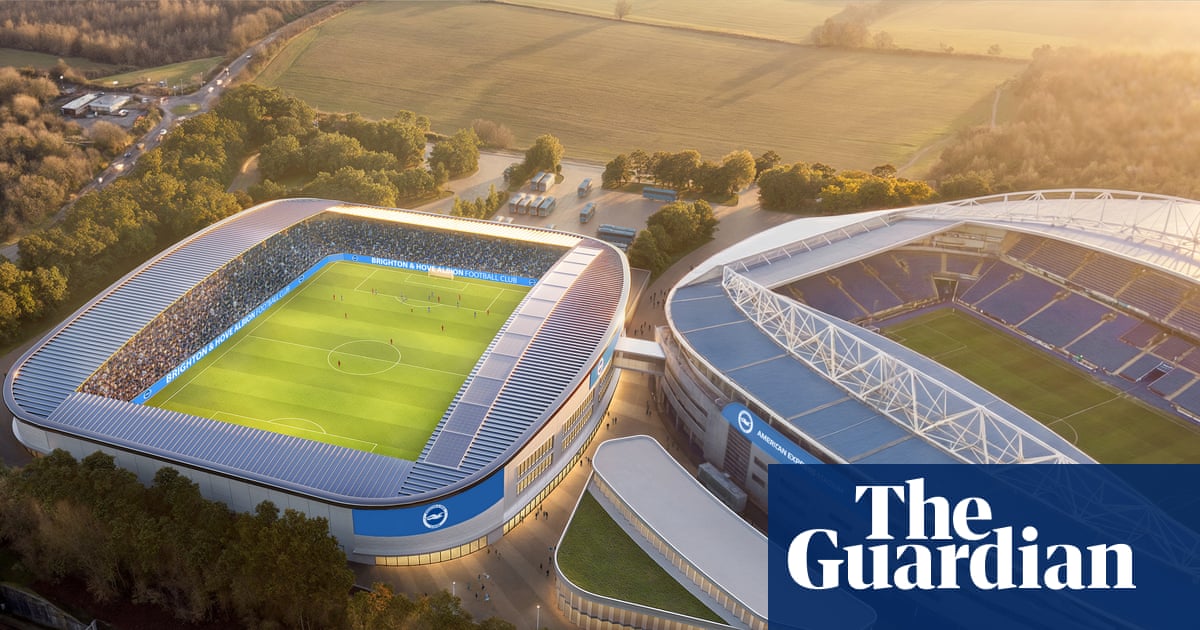
Brighton are attempting to break that mold entirely. The club has developed plans to build Europe's first purpose-built women's football stadium, committing £75m to £80m for a 10,000-capacity venue adjacent to the Amex.
Brighton chief executive Paul Barber stated that the dedicated facility is essential to give proper respect and focus to the women's team. The project follows the WSL's design guidelines, moving away from legacy buildings constructed strictly around men's football.
Clubs do not need to choose between families and core supporters. When London City Lionesses played Everton, the club ran a family fan zone before the match, followed by a post-match Oktoberfest aimed at older supporters with disposable income.
"The beautiful thing about women's football is that it is for everyone. I don't think it's about dismissing any of our audiences."
That perspective from former England striker Ellen White on BBC's Women's Football Fallout points toward a sensible middle ground. As confirmed by reporting from BBC Sport, sustainable growth comes from balancing family-friendly hospitality with authentic football passion.
The WSL is navigating a difficult transition period. As youth development pipelines strengthen and playing standards climb, the competitive quality will continue to rise. Fandom takes time to mature, especially as a new generation grows up following the domestic game regularly.
For now, executives must listen to the fans in the stands. Fix the erratic kickoff times, ditch the patronizing gimmicks, and treat women's football like the serious sporting contest it is.