The Business of Old Trafford's Never-Ending Crisis
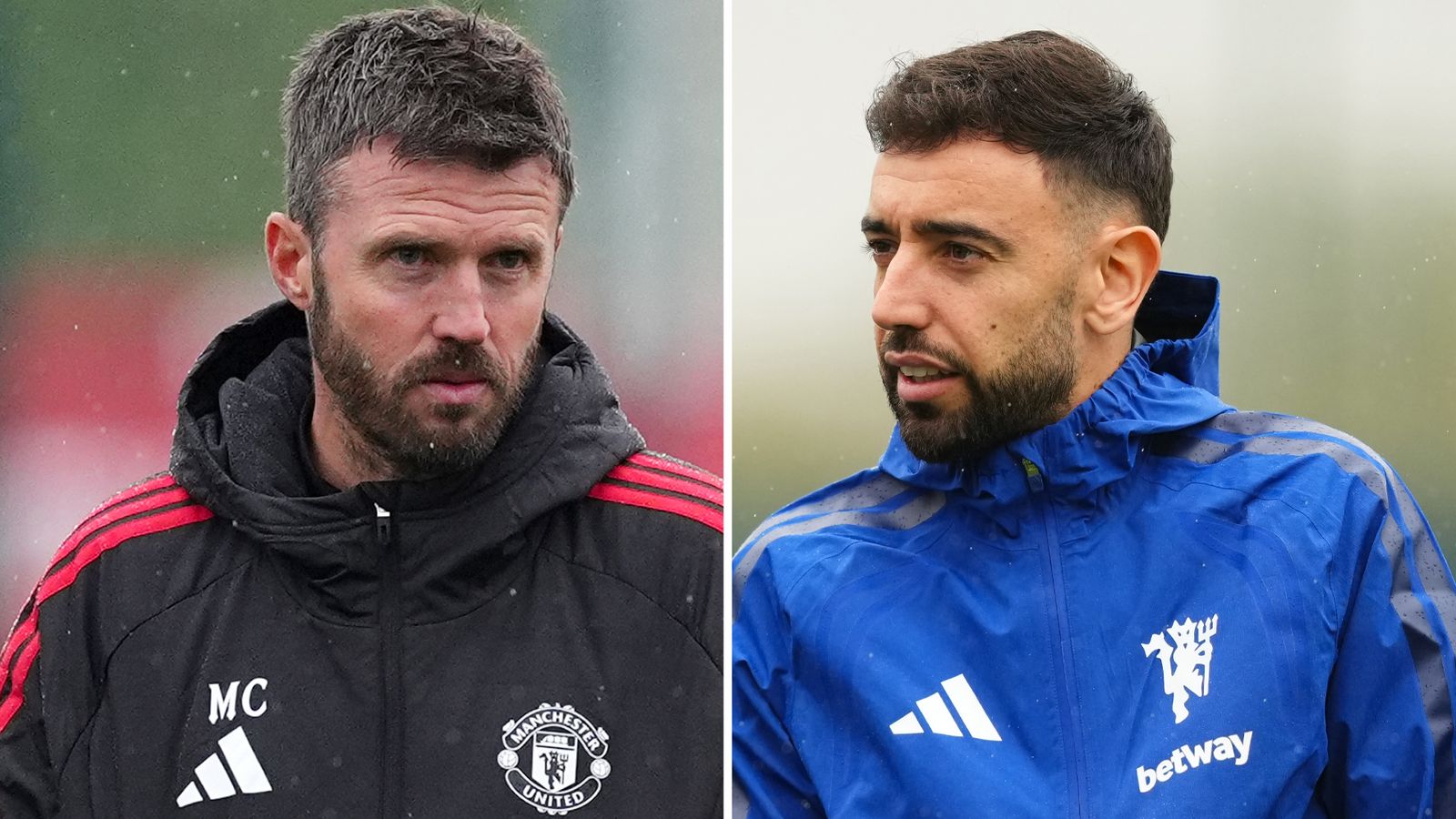
Manchester United operates less like a football club and more like an entertainment studio. Defeats trigger hours of live-streamed debate, monetized podcasts, and viral reaction clips. With Michael Carrick in charge for Saturday's trip to Chelsea, his audition continues while executives weigh their options.
The soap opera has become irresistible television, intensified by Amazon’s camera crews filming their All or Nothing documentary with full access inside Carrington. While fans crave ninety minutes of peaceful football on Saturday, drama off the pitch generates far more engagement. Chaos sells, and business is booming.
As the BBC reported on United's media cycle, former players drive this unrelenting scrutiny. It is now difficult to name a club legend without a podcast, a television chair, or a digital channel. Their commentary shapes fan opinion and piles pressure on the dugout.
This reality was built over years. United have not won a league title since 2013, yet remain one of football's wealthiest clubs. Matchday revenue trails only Arsenal in the league, while commercial partners keep signing deals. The club even sold shirts featuring "hated, adored, never ignored," cashing in on their own notoriety.
Here is the ranked countdown of the 10 moments that turned United's sporting decline into a lucrative media machine.
Ranking the Flashpoints: Tactical Mockery and Public Feuds
10. The Stretford End Raises the Standards Banner
During Sunday's 3-0 home loss to Bournemouth, supporters in the Stretford End unfurled a banner displaying one stark word: "standards." It was a blunt reaction to another passive afternoon.
Gary Neville noted from the gantry that those standards vanished long ago. This ranks tenth because a silent terrace protest is quickly swallowed by the internet outrage cycle. Genuine fan disgust simply becomes broadcast material for Monday's shows.
9. Erik ten Hag Confronts the Pundit Business Model
Before departing, Erik ten Hag spoke candidly to The Athletic about the heavy pressure ex-players exert on his squad. He pointed out that icons like Neville and Rio Ferdinand run independent platforms with commercial models to protect.
Ten Hag admitted young players get rattled by relentless online criticism. He urged legends to offer constructive support. This ranks ninth because managers rarely admit that former heroes are actively undermining squad morale.
8. Amazon Cameras Enter Carrington for a Caretaker Audition
Allowing camera crews inside Old Trafford during a coaching crisis is pure institutional neglect. Michael Carrick is 45 years old and managing week to week, yet Amazon’s production crew received unprecedented access to record every tense exchange.
Dressing room drama used to stay behind closed doors. Instead, United’s board treats Saturday's trip to Chelsea as streaming entertainment. This sits at number eight because executives prioritized media visibility over sporting stability.
7. Roy Keane Labels Carrick and His Staff Lucky Boys
Roy Keane never lets friendship soften his analysis. Speaking on The Overlap, the former captain dismissed sympathy for Carrick's interim spell, branding him and his assistants "lucky boys" to still hold jobs after recent collapses.
Keane’s assessment stripped away sentimental protection for a former teammate. This ranks seventh because it revealed deep fractures among pundits. Shared medals cannot protect a coaching staff when results collapse.
6. Wayne Rooney Demands a Firework on Stick to United
On Tuesday, Wayne Rooney appeared on Neville’s YouTube channel 'Stick to United' and delivered a scathing critique of the squad. The club’s record scorer said Carrick’s players "need a firework up their a***" after surrendering meekly against Bournemouth.
Rooney built his reputation on relentless drive. Watching him challenge passive professionals on a streaming show marks a major cultural shift. This takes sixth place by linking vintage dressing room fury directly to digital fan channels.
The Heavy Hitters: Personal Feuds and Commercial Realities
5. Paul Scholes and Nicky Butt Mock Lisandro Martinez
On their podcast 'The Good, The Bad & The Football,' Class of '92 teammates Nicky Butt and Paul Scholes turned pre-derby coverage into mockery. Butt claimed Erling Haaland would pick Lisandro Martinez up and run away with him. Scholes joked that Haaland would throw the defender into the net.
The commentary traded tactical insight for cheap laughs at an active player's expense. This lands at number five because it showed club icons acting like shock-jocks to boost downloads, alienating an already fragile dressing room.
4. Gary Neville’s Midnight Gantry Takedown
Following the Bournemouth defeat, Neville stayed behind in the empty Old Trafford gantry to record an emergency podcast. He accused squad members of unprofessional living habits, claiming some fail to sleep on time, eat poorly, and do not think about United every day.
"There's a couple of them... I live in Manchester and they're not that professional, some of them. I've got no time for them."
Having won 18 major honours across nineteen seasons, Neville carries immense weight. This ranks fourth because it turned tactical analysis into a personal character indictment, wiping out public sympathy for the dressing room.
3. Ed Woodward Decouples Commercial Revenue from Winning
In 2018, former executive vice-chairman Ed Woodward told investors that playing performance does not have a meaningful impact on commercial business. It was a staggering statement that infuriated supporters.
Woodward merely stated an uncomfortable truth: United's brand remains commercially bulletproof without trophies. This ranks third because it laid the foundation for modern Old Trafford, where sporting failure carries zero financial penalty.
2. Lisandro Martinez Challenges Scholes After Derby Win
Martinez answered his critics with a dominant display in a 2-0 derby victory during Carrick’s first home fixture in charge. He locked down Manchester City's attack and proved the pre-match mockery completely groundless.
After the final whistle, Martinez fired back at Scholes directly.
"Honestly, he can say whatever he wants. I told him already, if he wants to say something to me, he can come to wherever he wants. To my house, wherever. I don't care."
This claims second place as a rare, authentic act of defiance against the pundit circus. Martinez showed current players do not have to accept being punching bags for retired legends chasing podcast views.
1. Gary Neville Buys Mark Goldbridge’s YouTube Network
The ultimate media milestone occurred last summer when Neville acquired Mark Goldbridge’s network of channels. The purchase brought over 3.7 million subscribers under Neville’s umbrella, bridging traditional punditry with viral outrage.
Goldbridge, whose real name is Brent di Cesare, built fame on furious match watchalongs. Teaming him with Wayne Rooney on 'Stick to United' merged club aristocracy with influencer culture.
This takes the top spot because it fully commercialized United's decline. When defeat generates record traffic and sponsorship revenue, sporting crisis ceases to be a disaster. It becomes profitable programming.
The Verdict: When Defeat Pays Better Than Success
United travel to Stamford Bridge on Saturday carrying heavy baggage. Michael Carrick claimed in Thursday's press conference that he ignores external noise to focus on supporters. That sounds noble, but it rings hollow. His squad cannot escape the storm when every mistake is dissected across half a dozen former-player podcasts.
Yet there is a legitimate counterargument. Nicky Butt insisted in January that ex-players speak out because they love the club they supported since childhood. Butt argued that pretending terrible football is acceptable would be dishonest. When performances are wretched, fans expect unvarnished truth rather than polite sympathy.
Neville admitted on Rio Ferdinand’s podcast that striking the right critical balance over the past decade has been difficult, calling United games the hardest he does. Still, owning channels that monetize outrage creates a glaring conflict. When disaster drives traffic, toning down the rhetoric makes terrible business sense.
With Bruno Fernandes confirmed as captain, United must somehow regroup before Chelsea exposes their flaws again. But as explored in the BBC's look at United's media cycle, the circus thrives regardless of Saturday's result. A win offers temporary relief; another loss generates millions of clicks.