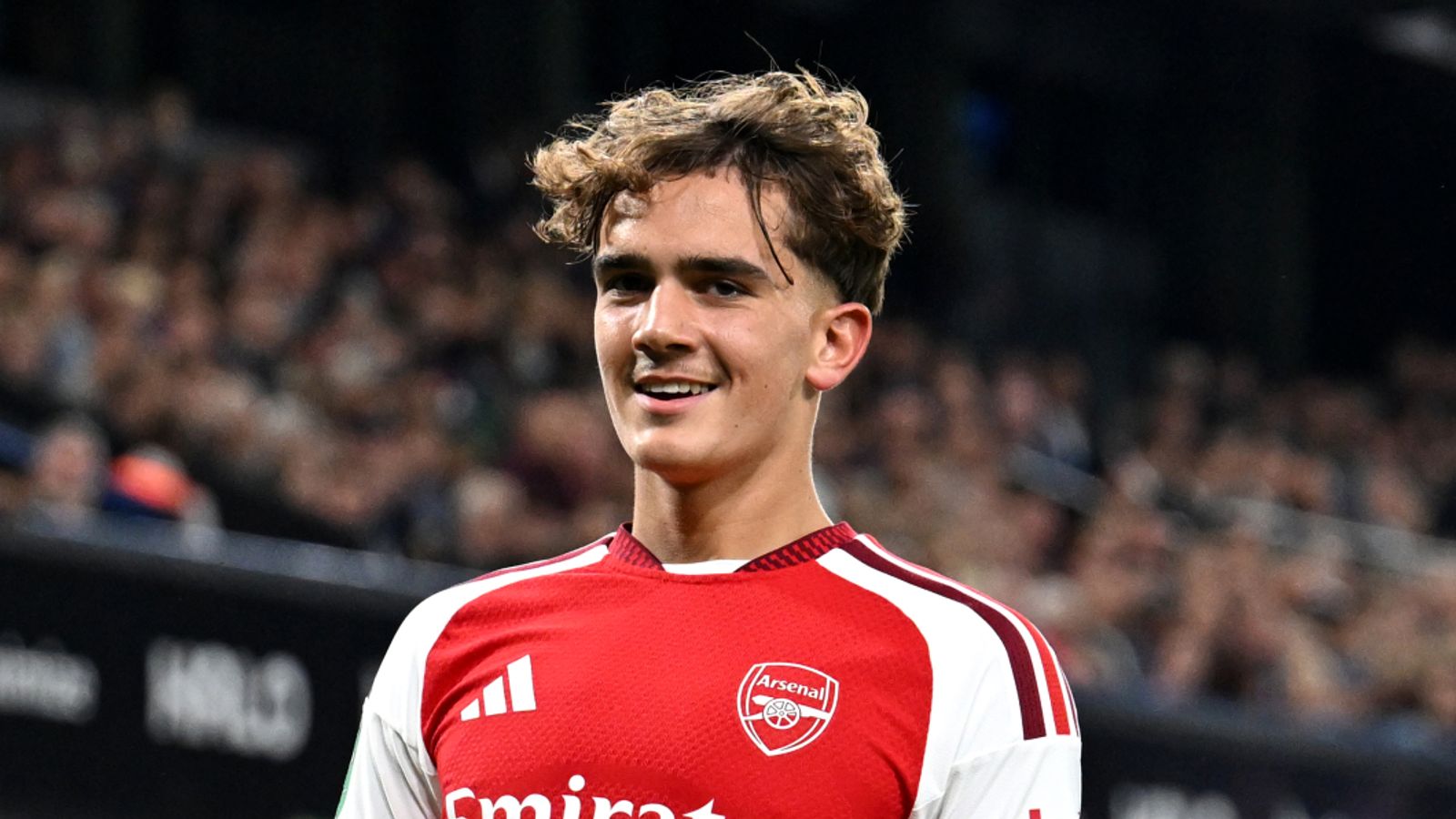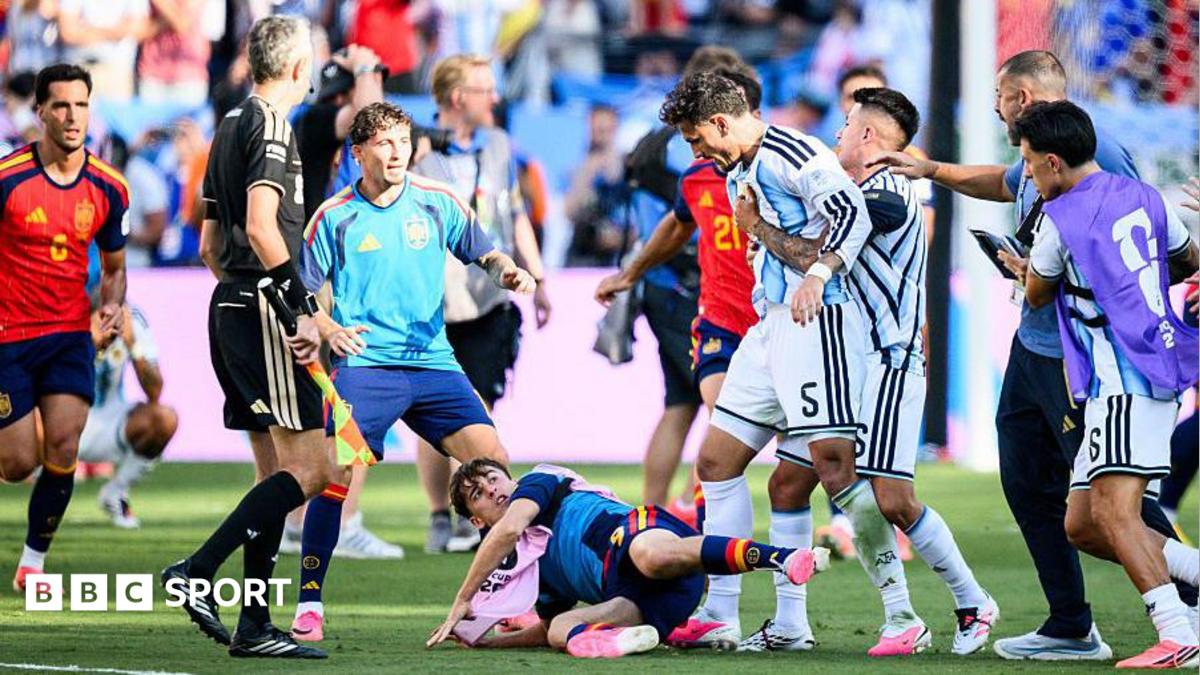
The Diagnosis: ACL tear confirms worst fears
Arsenal suffered a devastating preseason setback in Los Angeles after their primary defensive anchor underwent surgery to repair a ruptured anterior cruciate ligament. The injury occurred during the 74th minute of a routine preseason drill. Medical staff confirmed the contact was minimal, raising immediate questions regarding current turf conditions at the training facility.
Surgeons completed the reconstructive procedure early Monday morning. The expected recovery timeline for an isolated ACL tear of this nature spans eight to ten months, effectively sidelining the defender until late spring 2027.
Losing a central defensive cornerstone before competitive play begins shatters Arsenal's tactical blueprint for the opening half of the campaign. Mikel Arteta must now recalibrate his build-up mechanics and defensive line depth without his most dependable aerial and positional asset.
Broader Impact and Tactical Fallout
The sudden loss reverberates directly across the transfer market. Rival clubs aware of Arsenal's acute desperation will immediately inflate asking prices for top-tier center-backs. With target valuations spiking, Arsenal's recruitment division faces immense pressure to secure quality cover before the deadline closes.
Internal solutions offer immediate workarounds but carry substantial operational risk. Shifting full-backs into central roles degrades wide progression metrics, while leaning on academy prospects presents steep learning curves in high-stakes domestic fixtures.
Competitors across the Premier League will move quickly to exploit this structural void. Tactical setups that previously faltered against Arsenal's mid-block structure now gain a clear pathway to target secondary defensive pairings through direct vertical transitions.
Historical Context and Rehabilitation Realities
Modern elite football offers numerous precedents for early-season knee trauma, demonstrating both the psychological and physical hurdles ahead. Similar ACL reconstructions suffered during preseason tours have historically required lengthy reintegration phases before players regain explosive lateral acceleration.
Data across major European leagues indicates that while surgical success rates remain near 95 percent, returning to peak physical performance requires careful workload management during initial match minutes. Accelerating the return timeline frequently leads to secondary muscular compensation injuries.
Arsenal's high-pressing system places exceptionally demanding workloads on center-backs operating in wide-channel coverage. The medical department will inevitably enforce a conservative rehabilitation protocol to prevent long-term degradation.
Strategic Implications and Market Response
The immediate challenge lies in squad registration and financial compliance. Allocating heavy capital toward emergency defensive recruitment restricts flexibility in midfield and attacking rotations later in the transfer window.
Long-term strategic planning must adapt to potential performance fluctuations upon the player's eventual return. Re-establishing match fitness during the critical final stretch of the season demands tactical patience from coaching staff and supporters alike.
Navigating this crisis tests Arsenal's squad depth and squad construction philosophy. Overcoming an extended absence at the heart of defense requires immediate tactical adjustment alongside sharp execution in the transfer market.
Read Next
- Mikel Arteta is selling Arsenal fans a fever dream and we all know it
- Arsenal's transfer window is turning into a high-stakes waiting game
- Bournemouth's top-four bid takes a massive hit with Kroupi injury
- Arsenal's preseason hit as key defender suffers long-term knee injury
- ⭐ UCL 2026 — Champions League Quarter-Finals Hub