The structural vacuum left by Rodri's surgery
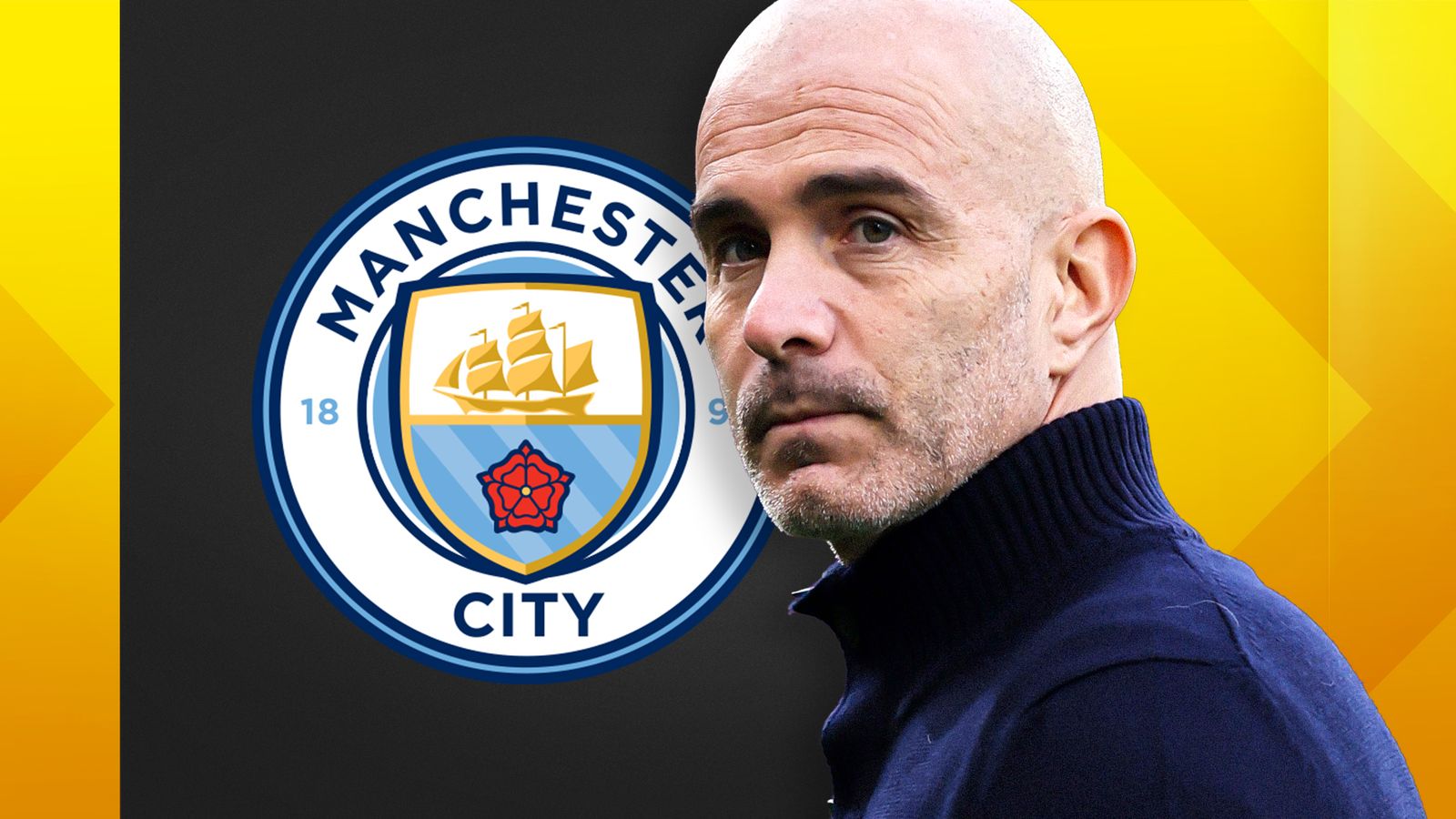
Manchester City’s transitional phase under Enzo Maresca has hit its first major tactical roadblock before the opening whistle of the season. News that Rodri has undergone back surgery leaves a massive structural vacuum in central midfield. While the procedure was deemed a success, his rehabilitation rules him out of the season opener. That absence completely alters City's resting structure in possession.
Without Rodri anchoring the middle third, City lose their primary insurance policy against counter-attacks. Last season, the Spaniard averaged nearly two interceptions and over seven recovered balls per match in central zones. Substituting that positioning with makeshift alternatives forces Maresca into early tactical compromises. The manager cannot simply copy-paste his preferred central build-up mechanics without the main pivot available.
To make matters more tense, transfer friction surrounds the midfielder. While Sky Sports reports that Real Madrid hold long-term interest with a year left on his contract, PSG have ruled themselves out of any pursuit. City remain eager to extend his deal, but until he returns to the pitch, Maresca must construct a functional midfield without his most essential cog.
Gvardiol's long-term commitment stabilization
The headline positive of the summer arrived with Josko Gvardiol extending his stay at the Etihad until 2031. After being sidelined in the second half of last term due to a tibia fracture, the 24-year-old returnee provides crucial defensive continuity. Keeping him out of reach from Real Madrid, Barcelona, and Bayern Munich gives City an elite foundation on the left side of defense.
Gvardiol’s flexibility is central to Maresca's structural setup. Whether sliding into a central three during build-up phase or advancing into wide space, the Croatian delivers elite progressive passing numbers. His willingness to step up into midfield channels eases the progressive burden when central play is congested by opposition low blocks.
Calling City "the best club in the world" upon signing his five-year extension, Gvardiol steps into a heightened leadership role. With veteran figures shifting out of the dressing room, his tactical maturity becomes paramount. Maresca needs that composure immediately if City intend to establish control in early fixture swings.
The defensive dynamic shifts as Stones departs
John Stones has verbally agreed terms to join Inter on a free transfer, closing a defining chapter of City’s recent defensive evolution. The 32-year-old's departure removes the prototype hybrid defender who defined Pep Guardiola’s tactical legacy in Manchester. Inter secured his signature ahead of Arsenal, Chelsea, and Juventus, signalling a clear changing of the guard.
Meanwhile, the goalkeeper room is undergoing a seismic valuation shift. City are finalizing a deal to sell James Trafford to Leeds United for a package worth at least £40m plus add-ons. That figure sets a record fee for an English goalkeeper, demonstrating City’s aggressive squad restructuring under director of football Hugo Viana.
Selling Trafford while letting Stones walk underlines a clear strategy: streamlined squad economics paired with younger, high-upside contracts. Yet, removing experienced decision-makers from the backline inevitably increases tactical volatility. Early-season mistakes under pressure often stem from a lack of familiar communication across the defensive line.
Predicting Maresca's opening setup
Maresca enters his debut competitive match under microscopic scrutiny. Without Rodri dictating tempo and with defensive pairings adjusting to new personnel, City will likely operate with reduced vertical risk in the opening 20 minutes. Expect a flatter double-pivot structure designed to prevent central transitions rather than the expansive, single-pivot overloads seen in past years.
The central question is whether City can sustain territorial dominance without sacrificing defensive compaction. If opposition blocks trigger high-turnover sequences in the middle third, City's reassembled backline could look vulnerable on the turn. Gvardiol's ability to cover expansive ground in defensive transition will be tested from the first whistle.
This match will not be a runaway tactical exhibition. City will control large spells of possession, but structural gaps will present opportunities for opposition counters. Expect a tight, pragmatic affair where City secure a 2-1 victory through sheer individual quality rather than complete tactical fluidity.