The billion-dollar fire sale
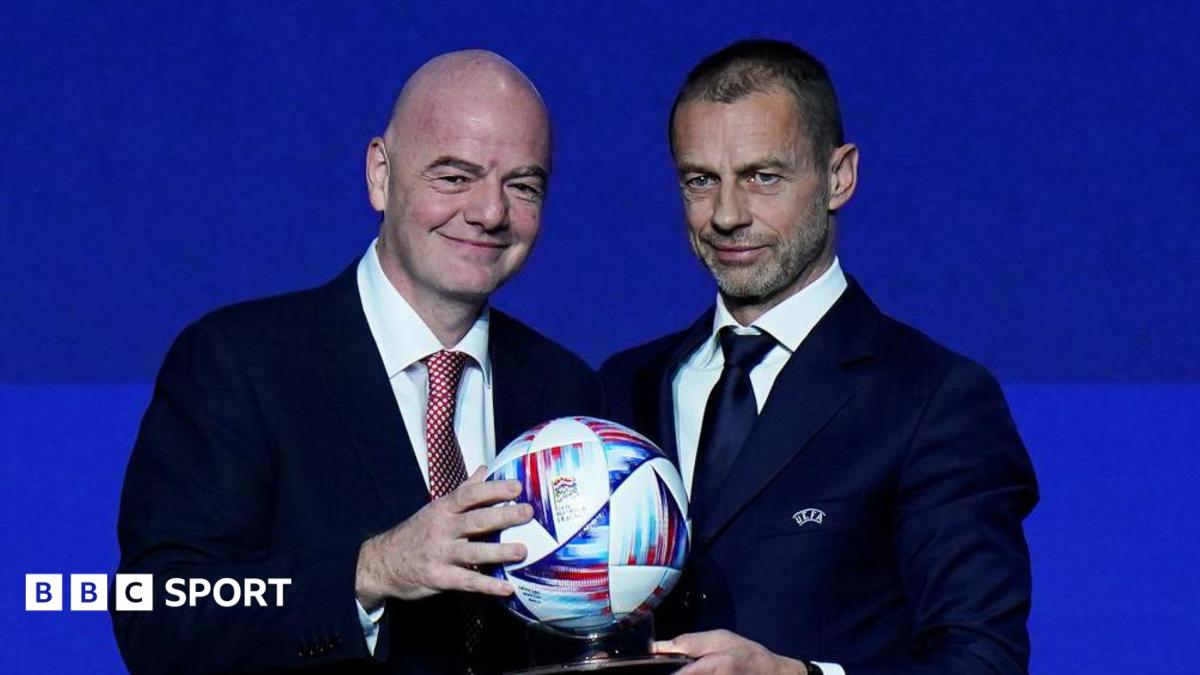
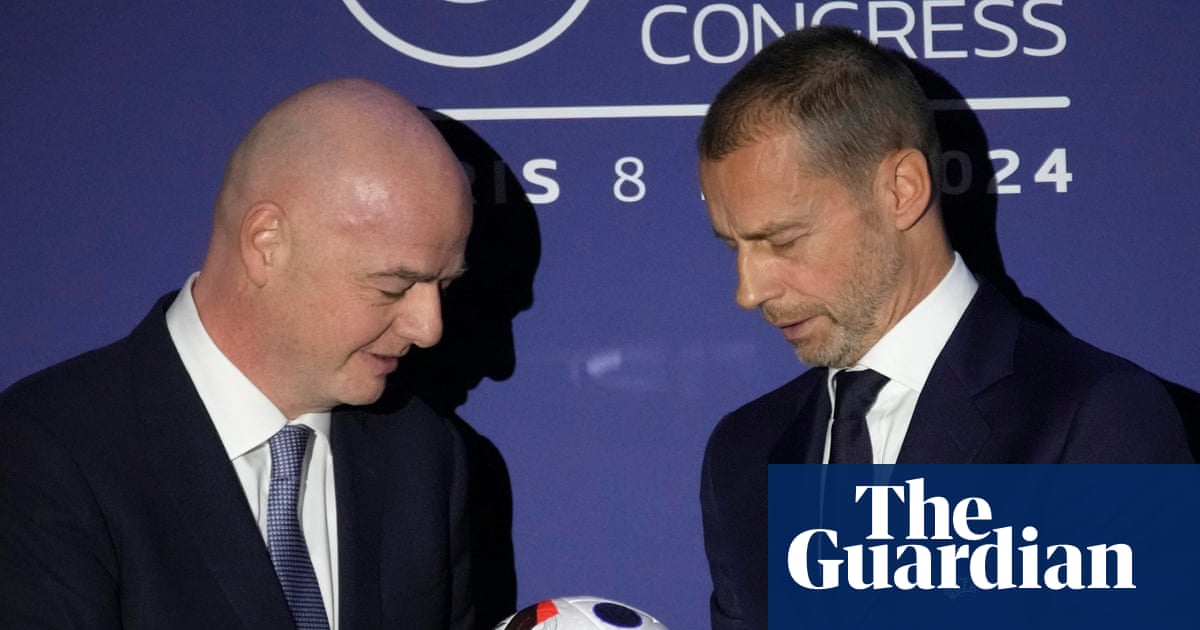
FIFA has finally lost the plot. They are currently exploring a plan to auction off a share of the World Cup to private equity firms, trading the soul of the sport for a short-term cash injection. It is the kind of move you expect from a failing startup, not an organization running the most prestigious tournament on the planet.
The push to bring in outside investors is effectively a cry for help from Zurich. While FIFA sits on massive cash reserves, they clearly haven't figured out how to keep growing their revenue at a pace that satisfies their leadership. Turning the World Cup into a commodity to be sliced up for profit is a desperate pivot.
Andy Burnham draws a line in the turf
Prime Minister Andy Burnham has stepped into the fray with a forceful defense of the tournament's integrity. He is rightfully calling out the absurdity of privatizing a global cultural institution. As reported by the Mirror, Burnham views this auction not just as a business deal, but as a direct assault on the heritage of international football.
Burnham’s intervention changes the optics of the entire saga. It turns a boring boardroom transaction into an issue of national sovereignty and fan trust. When political leaders start using their platforms to block a private sale, FIFA’s plans quickly hit a massive wall of public scrutiny.
The math doesn't add up
Let's talk about the actual value here. Private equity firms don't invest for the love of the game; they want a return on capital. If they buy into a share of the World Cup, they will eventually demand say over scheduling, host selection, and potentially ticketing prices. We are talking about handing the keys of international football to someone whose primary metric is a 15 percent quarterly return.
The risk here is catastrophic. If FIFA succeeds in selling a piece of the pie, they set a precedent that every tournament is up for auction. Does this eventually lead to the privatization of the Champions League qualifiers or the Euros? Once you start letting money-hungry investors into the room, you never get them to leave.
Why this deal smells like panic
This situation reminds me of how cybersecurity vendors like the ones discussed when looking at cases where Cyera spent a billion dollars just to buy a sense of security. FIFA thinks throwing a massive pile of money at their management problems will fix the cracks in their foundation. Much like the recent budget-brand agent models hitting the market, this move is a flash in the pan that ignores the long-term cost to the actual product.
The cynical reality is that FIFA sees the astronomical revenue floating around the Premier League and wants a piece without doing the actual work of building a sustainable, community-backed business. They are trying to shortcut the process. Instead of fixing their own governance, they are looking for a sugar daddy to bankroll their existence.
This isn't business. This is a fire sale of our childhood memories.