The sellout express is leaving the station
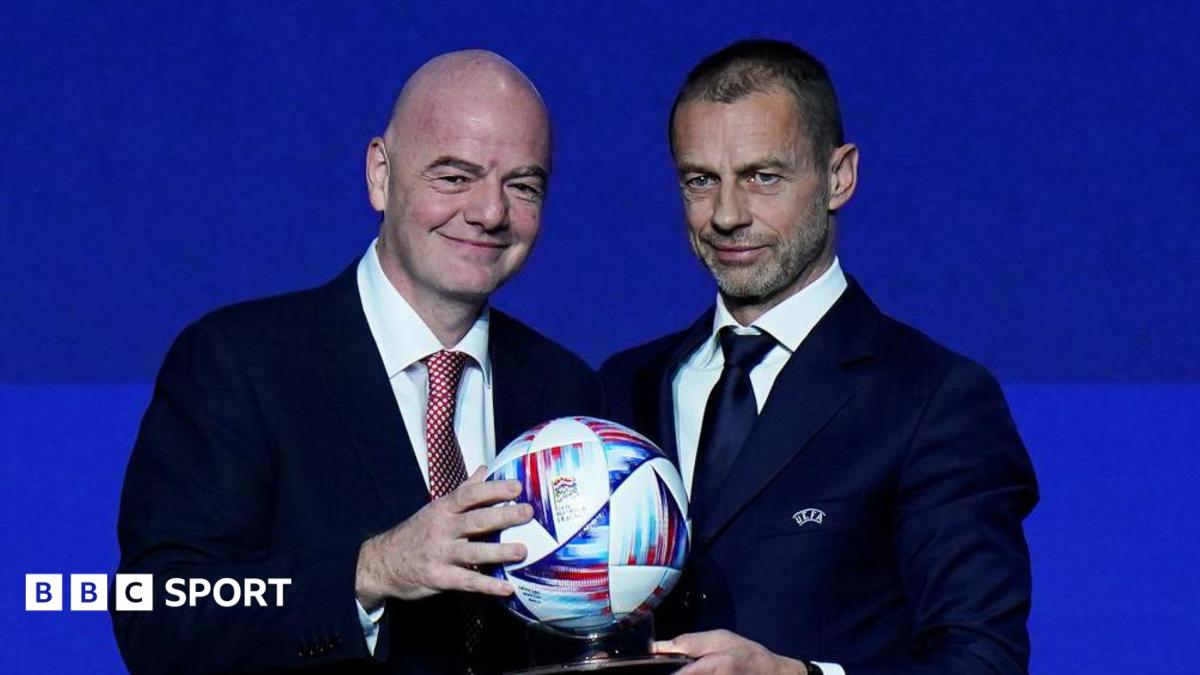
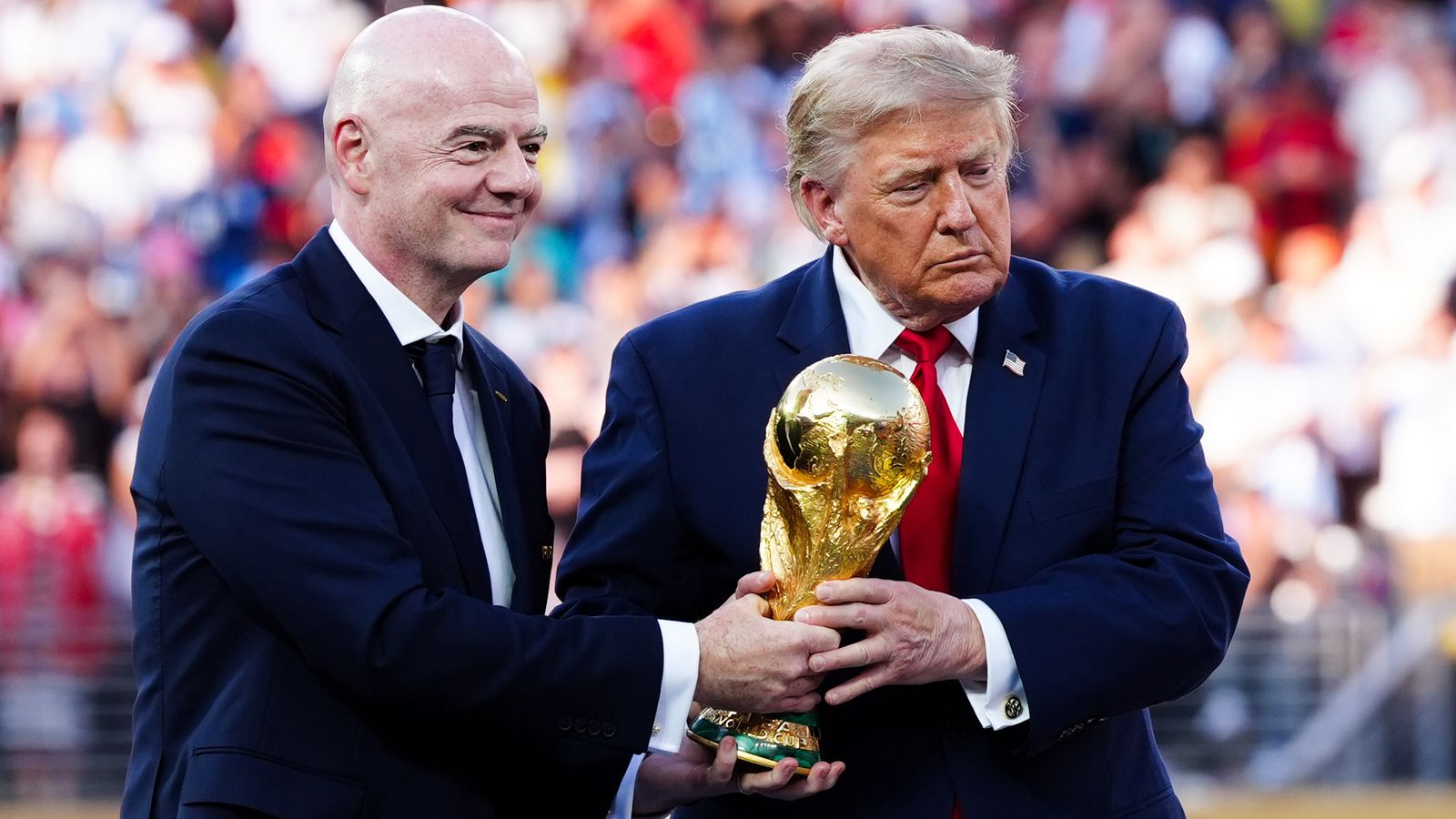
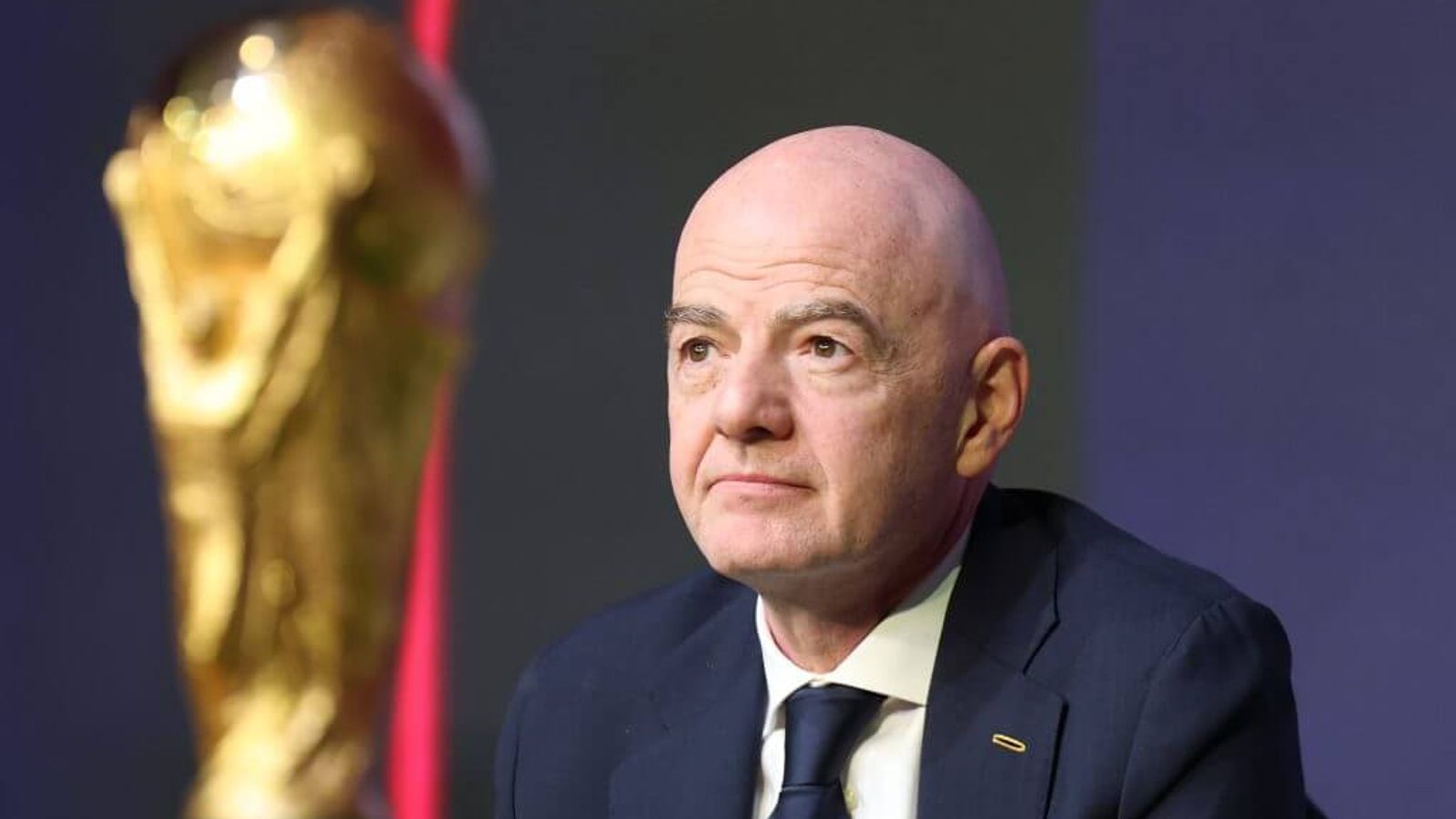
Gianni Infantino has finally lost the plot, if he ever actually had a grip on it to begin with. The latest hare-brained scheme out of Zurich involves FIFA seeking private equity investment to juice up the World Cup. It sounds like a pitch from a sweat-drenched hedge fund manager at 3 AM, not the governing body of the beautiful game.
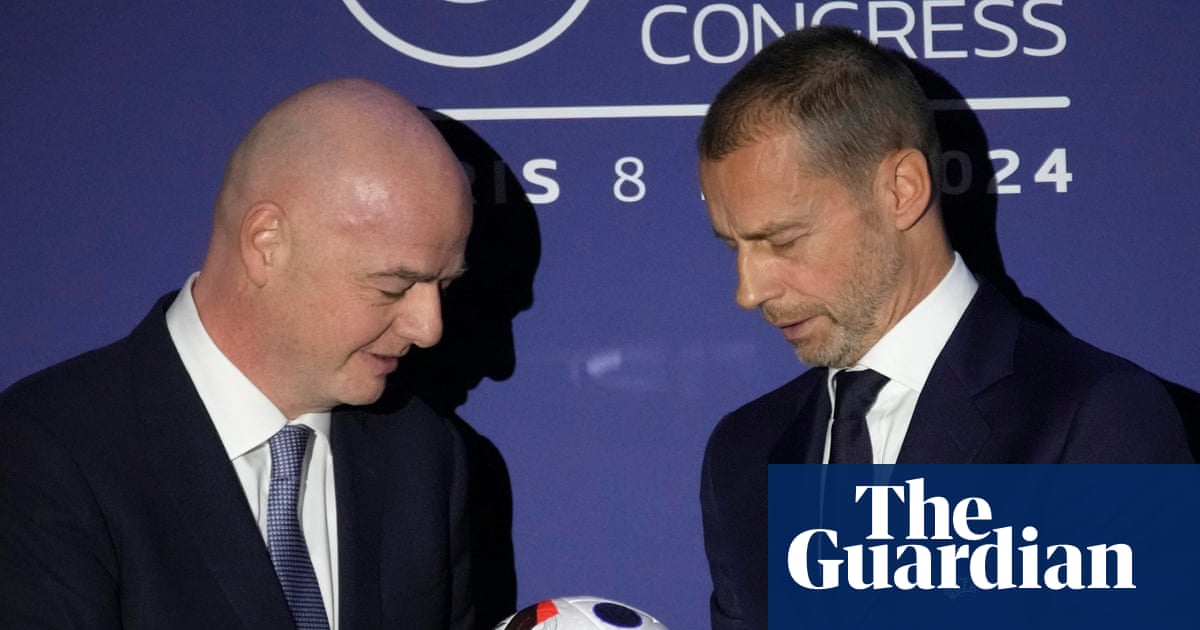
Andy Burnham, the Mayor of Greater Manchester, hasn’t been shy about calling this out for the absolute cash grab it is. Alongside murmurs of discontent from UEFA representatives, the pushback is starting to look like a genuine fight for the sport's identity. If you think the current state of football transfer pricing is a circus, imagine giving private equity firms a seat at the table where the tournament destiny is decided.
The private equity poison pill
We saw exactly what happens when private money gets its hooks into leagues when CVC Capital Partners started sniffing around European football. They don't care about the 90th-minute winner or the guy in the nosebleeds who saved up for three years to buy a ticket. They care about IRR, quarterly returns, and turning a four-year cycle into a constant revenue churn.
FIFA wants to open the gates to outside capital, but the World Cup was never meant to be a commercial product in this sense. It is supposed to grow the sport, not fatten the pockets of suit-wearing ghouls who can't tell the difference between a 4-3-3 and a 3-5-2. Burnham hit the nail on the head: this isn't about fans, it’s about control being stripped away from the institutions that built the game.
We are already watching Chelsea and Arsenal struggle with their own versions of transfer purgatory because of poor management and financial bloat. Now imagine the World Cup becoming a subsidiary of a firm that treats it like a mid-tier asset in a failing portfolio. The disconnect between FIFA’s boardroom and reality is wide enough to drive a team bus through.
A history of bad bets
Remember when we thought UEFA might be the voice of reason? Don't hold your breath. They are mostly annoyed they aren't the ones getting the cut. But even a stopped clock is right twice a day. The prospect of an organization as notoriously opaque as FIFA taking private money is like giving a fox the keys to the chicken coop and asking him to write a corporate governance report.
The scale of the investment FIFA is reportedly hunting is massive. We are talking about figures reaching into the $5bn range to bolster their commercial operations. When you bring that kind of capital in, the investors expect a return. They don't do this for the love of the game. They do it because they want to dictate kickoff times, squeeze extra commercial breaks into the broadcast, and prioritize markets that pay the most for concessions.
Look at how the Mohamed Salah transfer circus unfolded. That was pure chaos, a media-driven meat grinder that sucked the oxygen out of the room for weeks. Now multiply that headache by every host city in a World Cup. That is what happens when you prioritize noise and commercial speed over the integrity of a tournament.
Why this is a death knell for organic growth
FIFA operates in a vacuum where pressure only exists when their sponsors feel embarrassed. By diversifying their ownership stake to private firms, they aren't just selling a piece of the pie. They are selling the recipe itself. Once the board meetings include people who answer to shareholders about profit margins, say goodbye to any romantic notions about football's grassroots.
You want to see how this ends? Look at the shift in the World Cup format that already pushed the tournament to 48 teams. That was bad enough for anyone who likes a high-quality product, but at least that was ostensibly for 'growth.' This pivot toward private equity is strictly about dividends. It turns the players into human capital in the most literal, depressing sense of the term.
Burnham and the UEFA dissenters are trying to pump the brakes, but this train has no conductor. If the goal is to bankrupt the soul of the sport by the year 2030, FIFA is well ahead of schedule. We sit in these bars, we moan about VAR, and we debate if a tackle was a red card, but we are just arguing about the theater while the cinema is being sold out from under us.
Final thoughts from the cheap seats
The beauty of the World Cup is its irrationality. It’s 32 days—or 40 days in future editions—of absolute lunacy where nations stop moving. It’s not meant to be efficient. It’s not meant to be a steady, predictable investment vehicle for Wall Street.
If FIFA succeeds in this, we lose the last thing in professional sports that felt like it belonged to the people and not the suits. UEFA might be self-serving, but for once, they are reading the room correctly. Keep the private equity out, keep the World Cup pure, and stop treating the fans like an untapped revenue stream waiting for optimization. Or just go ahead and finish the job—burn the house down, sell the land, and let us watch the ashes grow in value.
Read Next