The math behind Gianni Infantino’s privatization plan
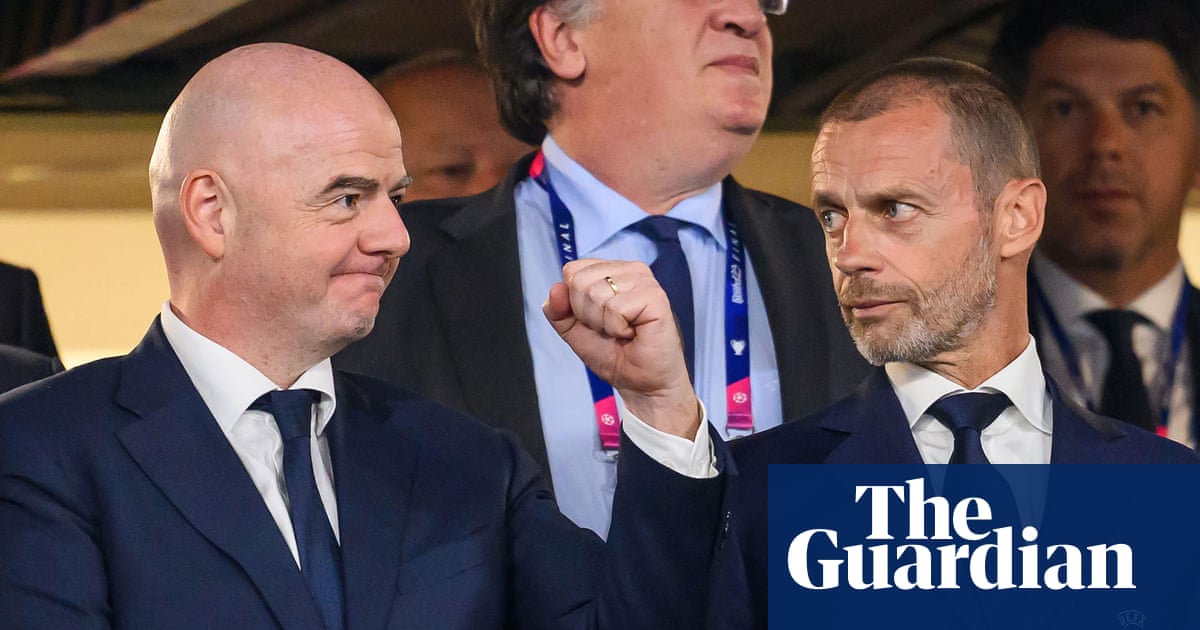
Gianni Infantino is courting a radical restructuring of the World Cup that trades long-term sovereignty for immediate capital. By attempting to offload 20% of the tournament’s commercial rights to private equity, FIFA is betting that the influx of liquidity will outpace the potential revenue growth of the next three cycles. The proposal has met with significant resistance from UEFA executives, who argue the move undermines the governance of the world's most lucrative sporting event.
Tracing the capital flow
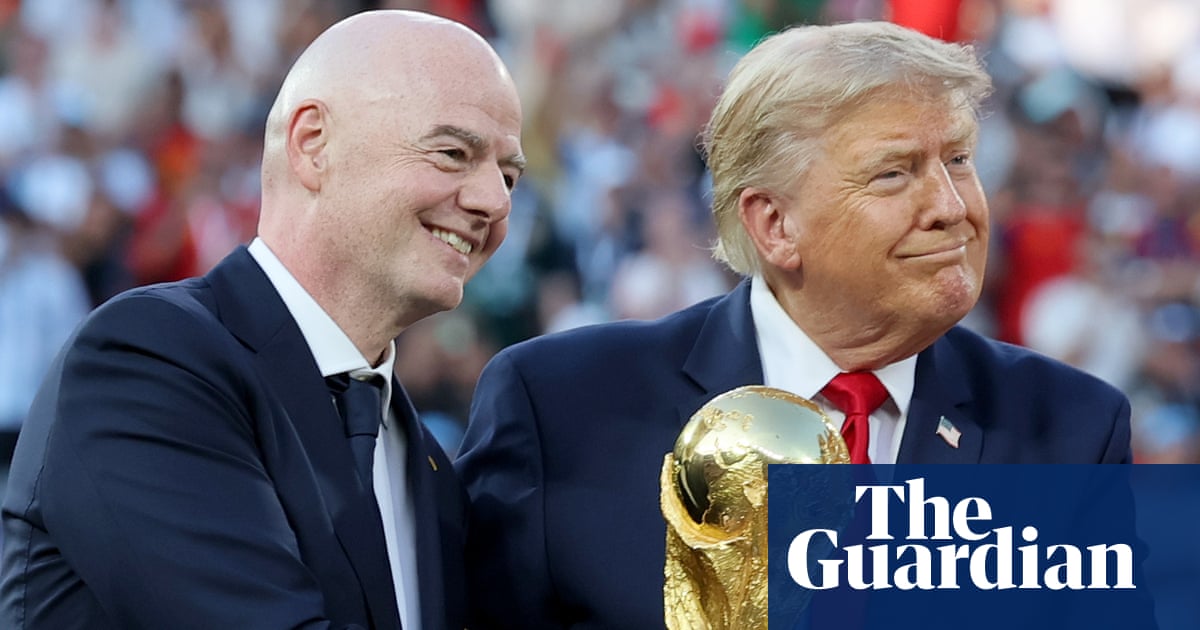
At the center of this financial shuffle is Joshua Kushner, whose strategic position highlights the merging of private wealth and international football regulation. The valuation of the World Cup remains the most complicated variable in this equation. As The Guardian reported, the project is bound by tight family and political ties that complicate the traditional transparent bidding process. This entanglement suggests that the 20% stake being offered is not merely an investment, but a shift in the influence structure of the sport.
Why the numbers don't add up
Look at the historical trajectory of commercial revenue since 2014. FIFA’s income from the World Cup has grown at a compound annual rate that historically rewards retaining full control. By introducing a third-party equity partner, FIFA is essentially paying an interest rate to those external investors that will be extracted directly from annual broadcast and sponsorship growth. If commercial rights appreciate by more than 5% annually, they are effectively selling a future golden goose for a current silver egg.
The counterintuitive element here is why FIFA would choose to dilute its own asset base while viewership figures remain at an all-time high. The 2026 cycle is expected to generate $11 billion in total revenue, theoretically providing enough runway that external cash would be unnecessary for operating expenses. Taking on private partners, therefore, implies one of two things: either internal financial mismanagement has created a sudden cash-flow crunch, or the leadership is prioritizing short-term liquidation over long-term stability.
The strategic disconnect
We see a clear pattern of shifting priorities. In 2022, FIFA’s operating budget was centered on tournament distribution and localized development. Now, the $2.2 billion valuation implied by the 20% sale suggests a desire to decouple commercial governance from the governing body's main office. This is a move away from the traditional model where the sport’s income is tied directly to the development of the game.
Skeptics are right to be wary. When a body with 211 member associations decides to monetize a permanent asset rather than manage operational costs, the math almost never favors the long-term health of the institution. If the project proceeds, the 20% stake becomes a fixed cost on the balance sheet that FIFA will have to service regardless of future revenue fluctuations. This is a high-stakes trade for the organization's soul.
Read Next
- FIFA World Cup facing unprecedented mass walkout over governance crisis
- Gianni Infantino's private cash grab is about to split European football in half
- FIFA's private equity gamble is about to hit European resistance
- Infantino is betting the soul of international football on private equity
- 🏆 World Cup 2026 — Full Coverage Hub