The cracks in the FIFA facade
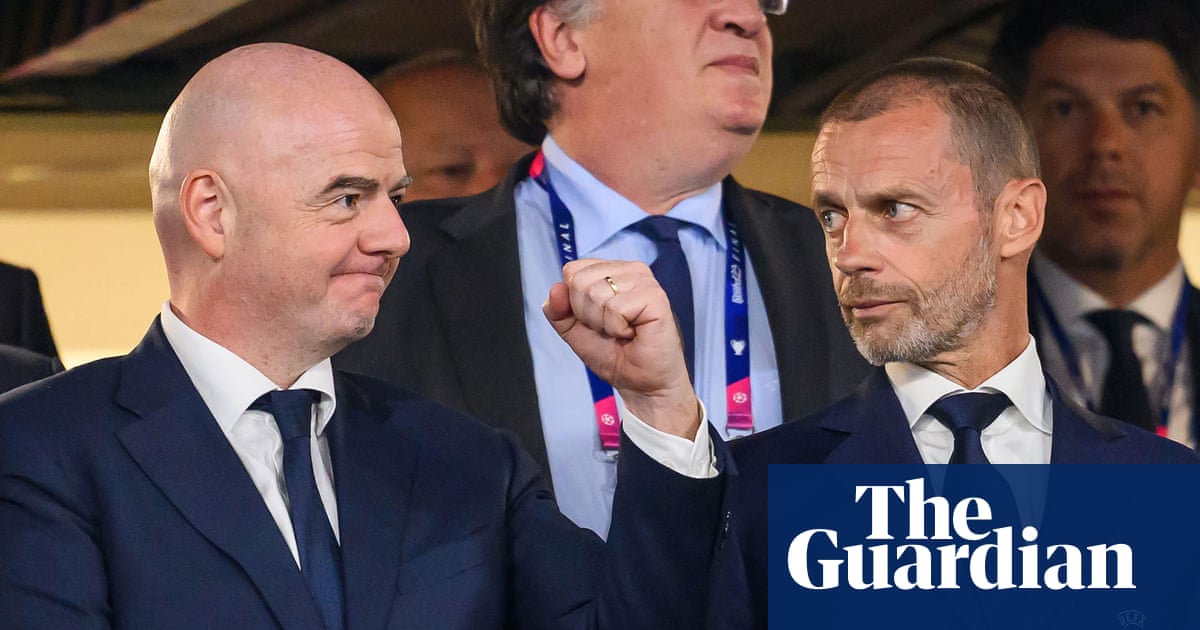
Gianni Infantino has spent his tenure centralizing power at FIFA, but his latest expansionist maneuvers have finally hit a wall. When UEFA and CONCACAF issue a joint condemnation regarding World Cup scheduling plans, it is not merely a bureaucratic disagreement. It is a direct challenge to his authority.
The football calendar is already at a breaking point. Elite players are logging upwards of 60 matches per season, and adding more fixtures to the World Cup cycle is a recipe for physical degradation. FIFA’s proposed expansion models lack any scientific basis for player recovery.
The math simply does not add up
Infantino operates under the assumption that more matches equate to higher revenue. He is ignoring the reality that diluted product eventually leads to lower viewership engagement metrics. When the top two confederations in the sport align against a proposal, the leverage shifts away from Zurich.
The data suggests that fans are already suffering from fatigue. Post-tournament drop-offs in domestic league attendance are well-documented. If the World Cup continues to bloat, the 14 percent variance in ticket sales for secondary group stage games will likely widen closer to 25 percent as fans choose their spending power carefully.
The impending structural fracture
We are watching a classic power grab masquerading as progress. If UEFA decides to push back by controlling their own windows more rigidly, FIFA will find itself drafting calendars that clubs simply ignore. The club versus country conflict is historically messy, but this is different.
This is a fundamental breakdown in trust. Infantino’s attempt to override established governance protocols with top-down mandates is characteristic, yet unsustainable. A 32-team tournament is optimized for narrative tension; a bloated version is optimized for logistics, not the soul of the game.
My prediction is firm: Infantino will be forced into a humiliating pivot by the quarter four board meetings in 2026. The financial risk of a total boycott from elite clubs is too high. The institutional pressure from the European and North American blocs is creating a reality where he must retreat to secure his own position for the 2031 election cycle.
His failure to grasp the limits of his mandate will serve as the turning point for his presidency. You cannot govern a global entity by treating your own confederation partners like subordinates. The backlash is not just political chatter—it is the sound of the ecosystem resisting a parasitic growth.