Privatizing the crown jewel
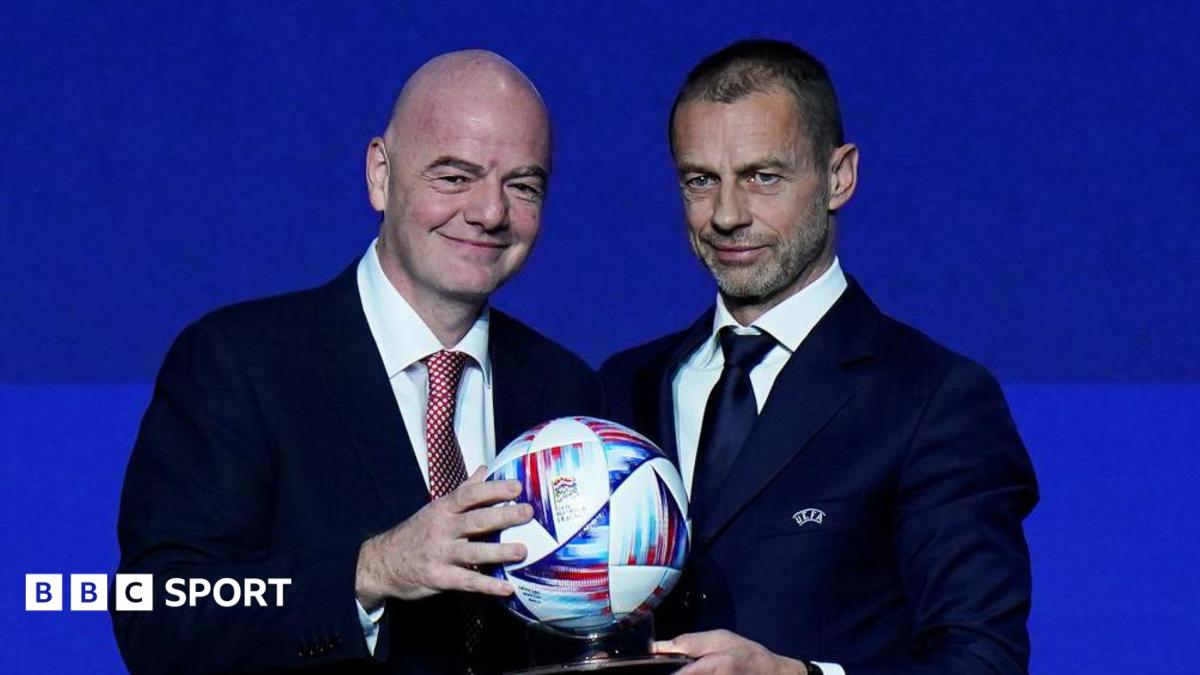
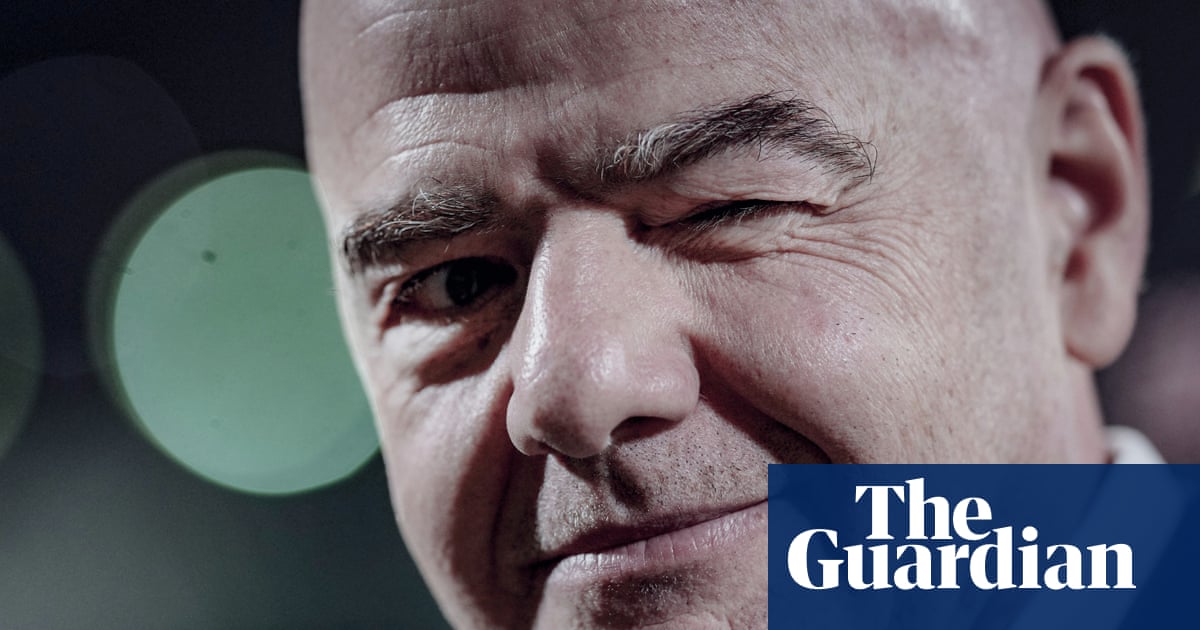
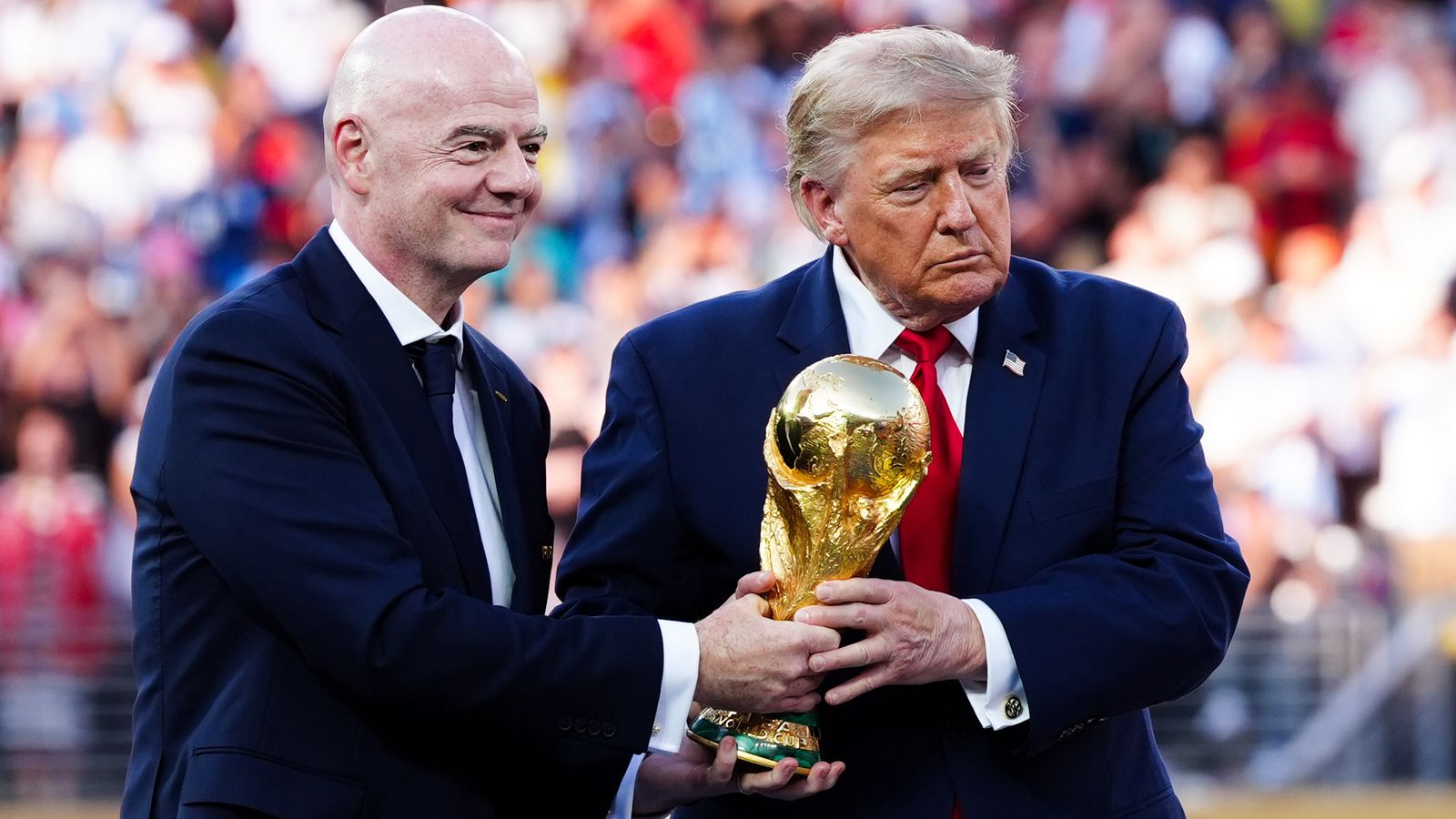
Gianni Infantino is preparing to take football governance into uncharted, hazardous waters. According to reports from the BBC, FIFA is actively planning to sell off financial stakes in its marquee competitions, effectively privatizing portions of the global game's most lucrative assets.
This is not a routine commercial partnership or another standard broadcast rights deal. Bringing external private investment directly into the structure of international tournament football fundamental alters how decisions will be made at the top level.
When private capital enters the boardroom, profit maximization stops being a side effect and becomes the primary mandate. If you thought expansion to 48 teams and cluttered summer schedules were aggressive, wait until private equity firms start demanding guaranteed returns on their equity slice.
The strategic precedent
We have already seen this playbook tested in domestic leagues across Europe. Spain’s La Liga signed its CVC deal in 2021, trading 8.2 percent of its broadcast revenue over 50 years for an immediate capital injection of €2.1 billion.
Ligue 1 followed a similar path, selling a 13 percent share of its commercial venture to CVC for €1.5 billion in 2022. In both instances, member clubs received immediate liquidity, but long-term cash flows were permanently haircutted. FIFA is now eyeing that exact mechanism on a global scale.
The operational friction
The structural problem is obvious to anyone tracking fixture congestion. FIFA already expanded the Club World Cup to a 32-team format, squeezing the European calendar to its absolute breaking point. Players like Kevin De Bruyne and Rodri publicly criticized the workload during the 2024 season, citing muscle injury risks and systemic fatigue.
Adding institutional investors to FIFA's balance sheet will only exacerbate this friction. Outside investors will not settle for static revenue streams; they will demand higher ticket margins, extra match windows, expanded friendly tournaments in lucrative non-traditional markets, and potentially dynamic pricing models that price out traditional matchgoing supporters.
Governance under Infantino has consistently prioritized top-line revenue expansion over competitive balance or player welfare. Selling equity stakes in the World Cup itself is the logical, albeit dangerous, culmination of that philosophy.
What happens next
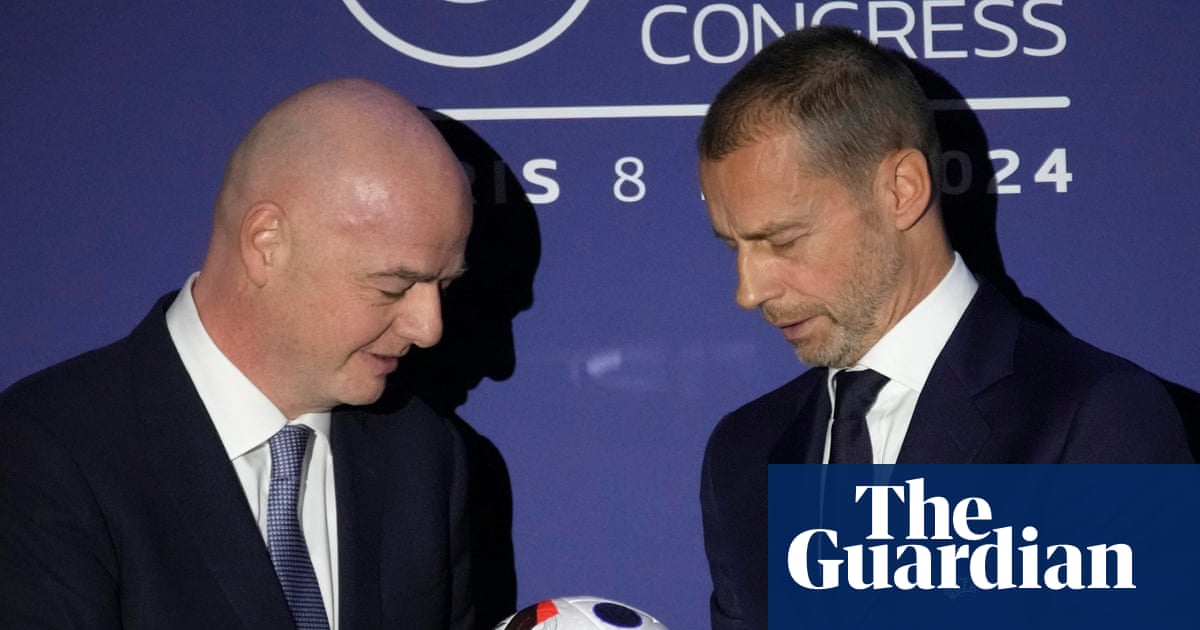
Expect fierce pushback from both UEFA and FIFPRO as details of these structural pitch decks emerge. European confederations will view this move as a direct threat to their own commercial dominance and scheduling autonomy.
My call: FIFA will force through a minority equity vehicle before the 2026 cycle concludes, masking it as a growth fund for developing football nations. But make no mistake: once international football surrenders equity to private investors, the calendar and the sport itself will never belong strictly to the fans again.
Read Next
- Gianni Infantino is trying to sell the World Cup like a used sedan
- Gianni Infantino is trying to auction off the soul of the World Cup
- Gianni Infantino's biennial World Cup push gains traction despite UEFA fury
- Gianni Infantino's biennial World Cup dream gets an unwelcome second wind
- 🏆 World Cup 2026 — Full Coverage Hub