The ghost that refuses to stay busted
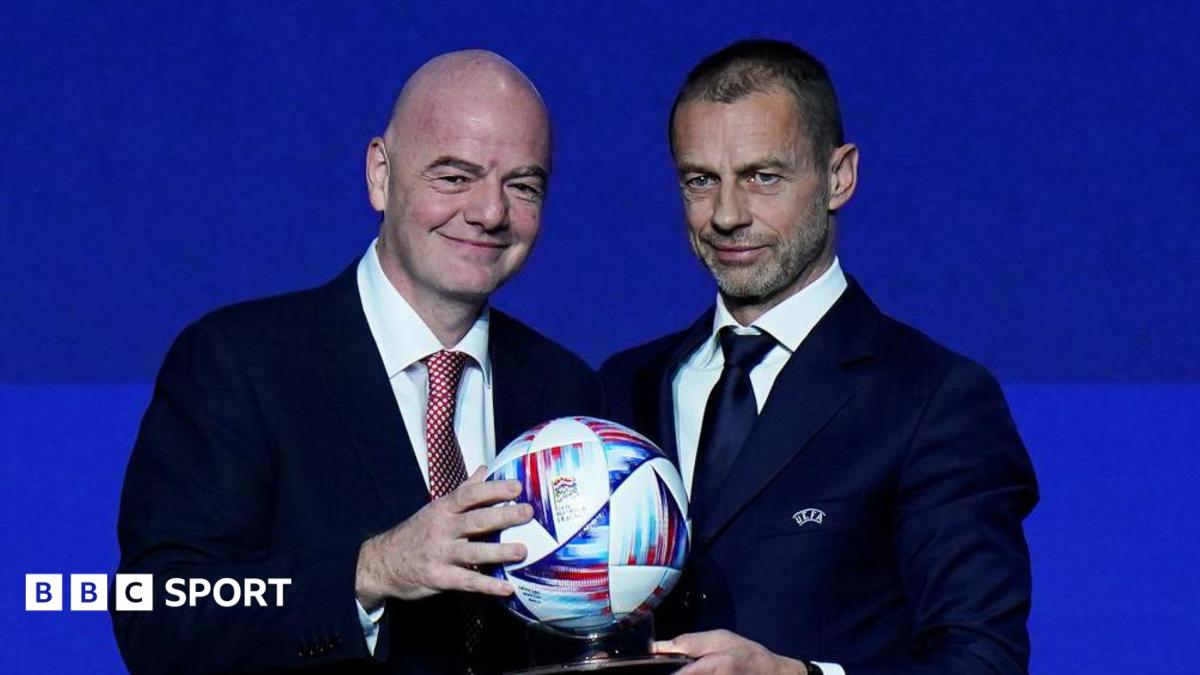
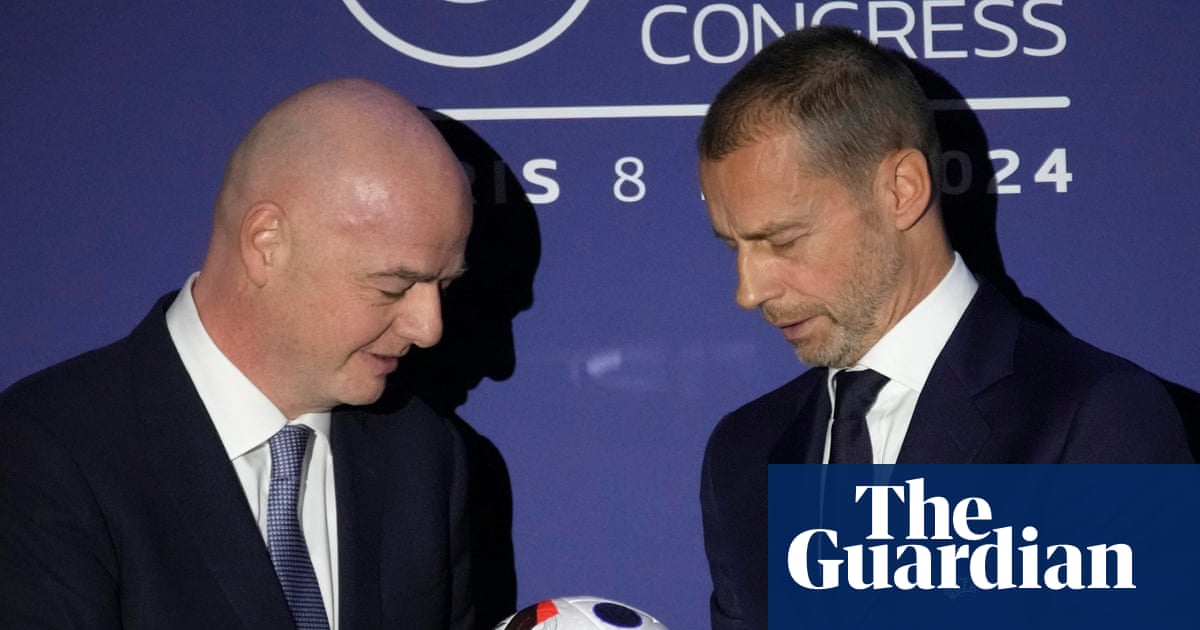
European football executives thought they had killed the biennial World Cup concept eighteen months ago. Aleksander Čeferin threatened UEFA boycotts, South American confederation CONMEBOL issued joint rejections, and player unions pointed directly at dynamic load monitoring data showing muscular injury spikes across mid-season windows.
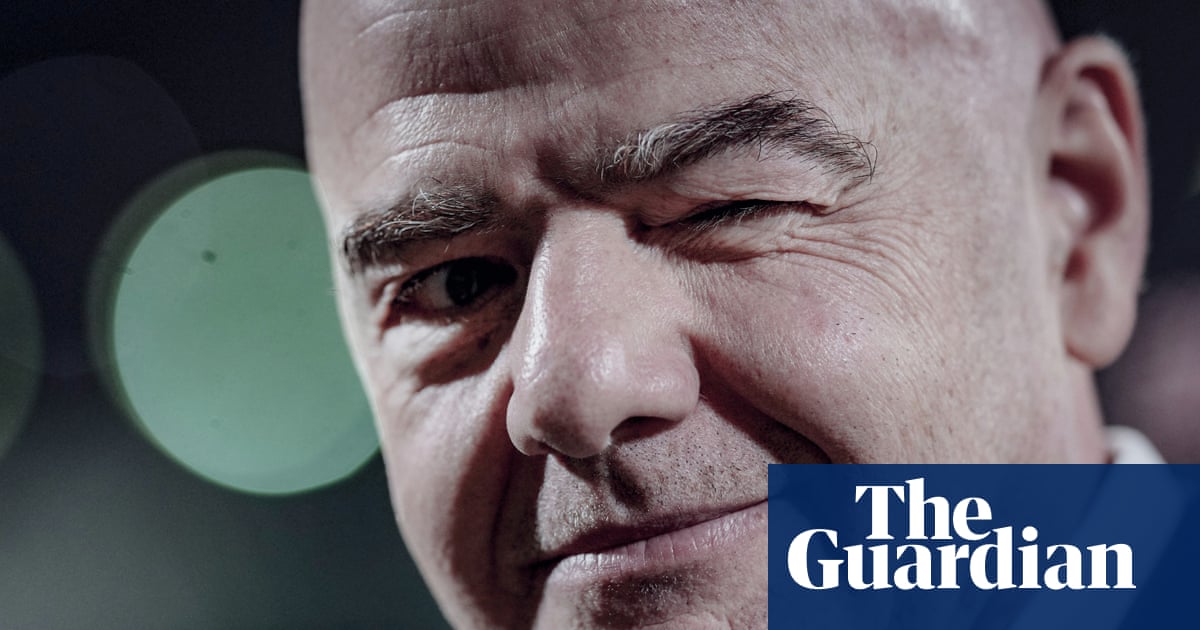
Yet FIFA president Gianni Infantino has found life for his marquee proposal from an expected source. Public backing from within FIFA's 211 member associations, as reported by The Mirror, proves that the political mechanics inside the Zurich headquarters remain fundamentally detached from the European club ecosystem.
Infantino understands basic arithmetic. Under FIFA's governance architecture, the vote of a federation managing three synthetic pitches carries the exact same structural weight as the German Football Association. By dangling expanded distribution funds tied to a 24-month international cycle, Infantino continues to build a voting bloc capable of overriding UEFA's structural veto.
Tactical fatigue and the collapse of the rest period
From an analytical perspective, compressing the international calendar into two-year cycles dismantles high-intensity pressing systems. Elite modern tactics — specifically the rest-defense structures perfected by modern European setups — rely on physical output metrics that fall off a cliff without six weeks of complete off-season muscular recovery.
Look at the tracking data from the late-stage Champions League knockout rounds over recent campaigns. When high-turnover side-to-side transitions exceed 115 total kilometers per match, second-half sprint capacity drops by 14% among midfield pivot units playing more than 4,500 minutes per season.
A biennial tournament guarantees that elite international starters perform at peak physical output straight through summer months without structural recalibration periods. The output on the pitch inevitably degrades from hyper-organized tactical chess into low-block conservation strategies designed purely to survive 90 minutes.
The political leverage game
This isn't an isolated tactical debate; it is a battle for cash flow dominance between Nyon and Zurich. UEFA's revamped Champions League Swiss-model format already swallowed four additional midweek slots on the European calendar, leaving zero structural room for expanded FIFA windows without domestic cup casualties.
As Infantino continues courting global capital and private equity vehicles for FIFA assets — resembling broader shifts across sports media landscapes — the friction with domestic leagues will reach litigation levels. Clubs paying players £250,000 per week will not release assets to a biennial tournament without legal challenges over contractual degradation.
Infantino will push this vote to the FIFA Congress floor anyway. UEFA can posture all it wants about breakaway boycotts, but until European clubs explicitly refuse to register players for international duty, Zurich holds the leverage of 150-plus member associations eager for direct FIFA distributions.