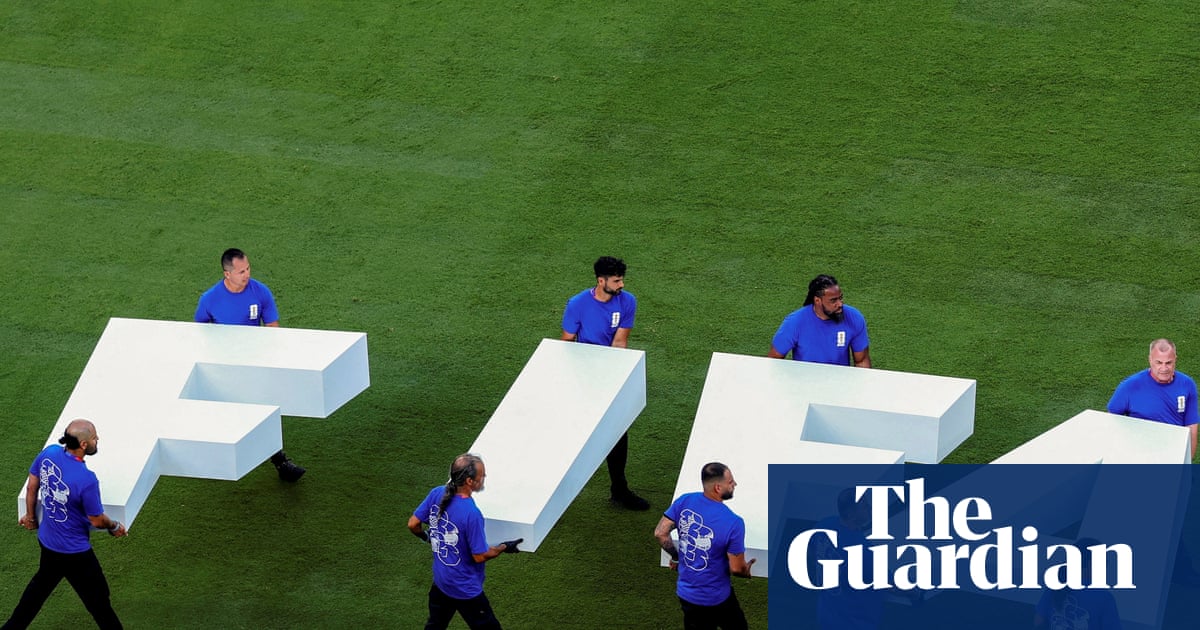
The governing body denies the sell-off
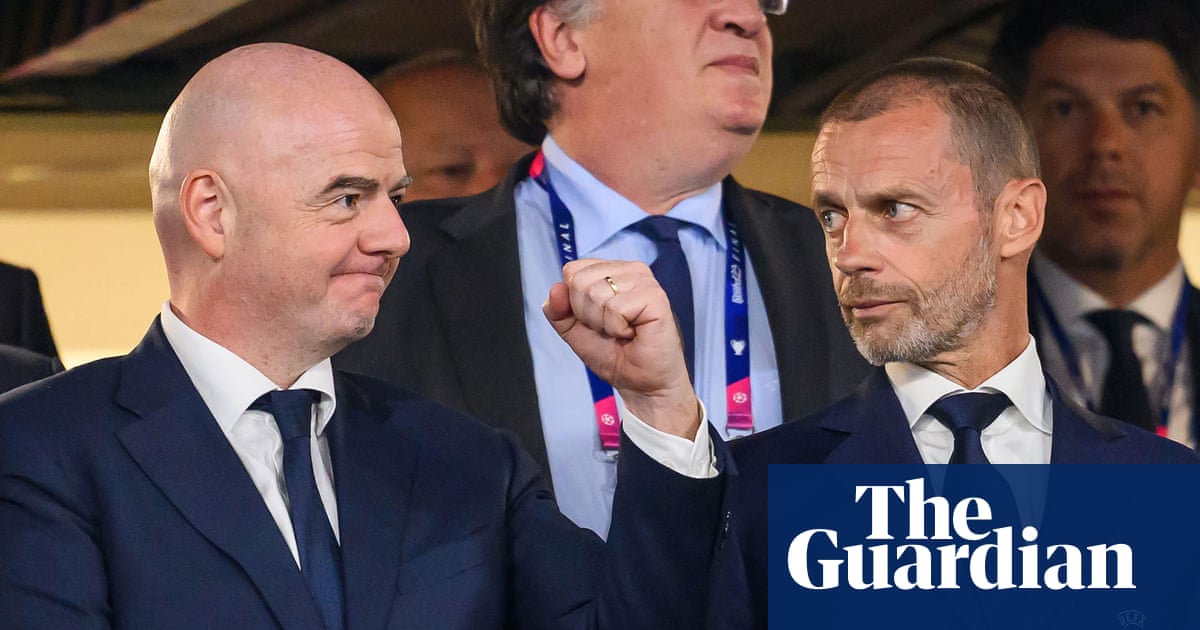
FIFA issued a firm rebuttal today regarding reports that it intends to privatize stakes in the World Cup. As The Guardian reported, the organization claims that the recent friction with UEFA stems from incorrect media reporting. Official communications assert that nobody is selling football.
UEFA's boycott ultimatum
The conflict reached a boiling point after UEFA officials floated the possibility of a boycott. European nations remain highly skeptical of any move that invites private equity or external stakeholders into the tournament structure. The threat is a serious escalation in the strained relations between Nyon and Zurich.
Historical context of FIFA friction
Governance disputes at this scale are rarely resolved through press releases. FIFA has encountered intense pushback during previous expansion attempts, including the transition to the current 48-team format. The pattern remains constant: FIFA proposes a financial or structural shift, and UEFA responds with an immediate defensive posture.
The cost of consultation
FIFA maintains that its current consultation process was disrupted by misinformation. They argue that stakeholder engagement is necessary to ensure the long-term fiscal health of the sport. Skeptics point out that the lack of transparency regarding potential investment partners fuels the current fire.
Analyzing the stalemate
The standoff creates a significant hurdle for tournament planning. If the European confederations follow through on their threats, the logistical nightmare of rearranging the World Cup would be unprecedented. The sport currently faces a 0% chance of stability if the two bodies refuse to find a middle ground on commercial governance.
Strategic implications
Moving forward, the primary challenge for FIFA is credibility. By blaming the press, they risk appearing evasive to national federations who demand clear answers. The organization must prove its commitment to the existing model or face a fractured international calendar.
A timeline of mounting tension
Industry observers have watched this tension build for months. The latest reports from the BBC indicate that the consultation process will continue despite the backlash. There is no clear end date for these discussions. FIFA anticipates that continued dialogue will quell the frustration, but current sentiment among UEFA leadership suggests otherwise.
Critique of communication
Blaming the media is a tired tactic that rarely succeeds in modern sports politics. When a governing body faces existential questions regarding its ownership structure, it requires more than a statement regarding the integrity of the process. FIFA needs to provide a roadmap of exactly who is involved in the meetings, rather than simply stating they are not for sale.
The bottom line
As Sky Sports reported, the tension remains high as of July 31, 2026. Unless the consultations yield a shared financial vision, the divide will only widen. This is a mess of the organization's own making.
Read Next