The Stakeholder Rebellion
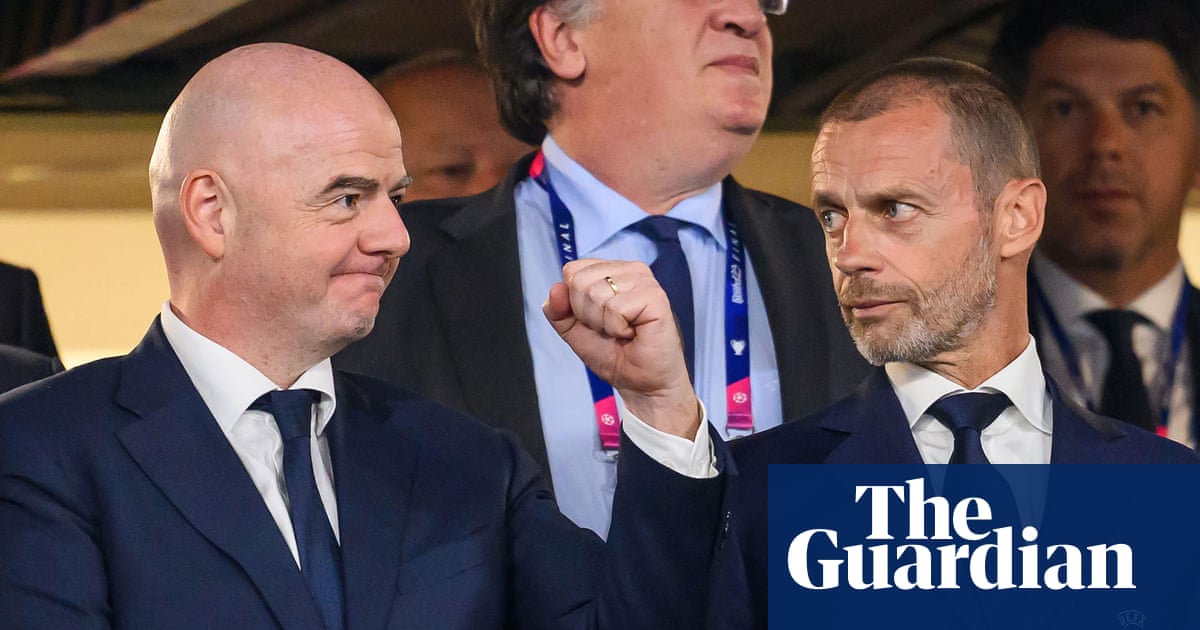
As of July 31, 2026, the governance of global football sits at a Tier 1 breaking point. FIFA President Gianni Infantino faces an existential crisis following his attempt to sell equity stakes in the World Cup to private investors. UEFA and CONCACAF have officially rejected the proposal, setting the stage for a complete structural split in the sport as Sky Sports reported today.
The plan, which prioritizes immediate capital injection over the traditional governance model, has triggered a unanimous boycott threat from European nations. This is not mere posturing. The friction between the Zurich headquarters and major confederations has reached a peak not seen in the decade-long tenure of the FIFA leadership. Even the United States, a critical partner in the FIFA geopolitical network, has signaled opposition, putting Infantino on a collision course with Donald Trump.
The Tactical Fit of a Boycott
A boycott is the nuclear option for football governing bodies. By removing Europe and North America from the tournament pool, UEFA effectively renders the World Cup a shell of its former self, stripping the event of its commercial viability and on-pitch quality. The tactical risk here is astronomical; if UEFA carries out the threat, they lose the marquee platform for talent, while FIFA loses the revenue required to sustain its massive operations.
There is a distinct lack of political flexibility on both sides. FIFA issued a late-night statement dismissing the backlash as mere media hysteria, effectively doubling down on the investment strategy despite widespread condemnation. The disconnect between the executive suite and the sport's actual stakeholders has never been wider.
The Financial Fallout
The core motivation for this friction is clear: money. Profit is being put firmly ahead of the sport's history, a move that has alienated traditional power bases. The valuation of the World Cup has made it a target for private equity, yet the human cost of this move is being ignored by those pushing the sale. This corporate encroachment into the game's crown jewel is arguably the most questionable decision in the history of the modern FIFA regime.
While negotiations remain ongoing, the current deadlock suggests an uncomfortable reality. FIFA relies on the participation of the world's best players, but those players now find themselves caught in a political maneuver they did not ask for. If the stakeholders are serious, the next iteration of the tournament looks increasingly precarious.
Probability Assessment
Probability: High. The unanimity of the UEFA block makes a total withdrawal a functional reality if Infantino refuses to pivot. The internal pressure on FIFA to reverse course is mounting, but the organization’s current administration has shown a historical tendency to ignore external criticism, which increases the likelihood of a formal standoff.
The Timeline
Immediate. Expect rapid developments over the next two weeks as federation heads hold emergency sessions to finalize their boycott stance. The clock is ticking toward a definitive breaking point that will likely shift the power structure of FIFA by the end of the year.
Impact Analysis
The consequences of this move, should it proceed, are catastrophic for the current FIFA model. It would likely lead to a splinter organization or a radical leadership change before the next cycle concludes. For fans, it represents the potential loss of the biggest spectacle in athletics. For the record, the passing of Italy icon Franco Baresi at 66 serves as a somber reminder of the legends who defined the tournament's history during a week where the sport's future feels increasingly uncertain.
Read Next
- The FIFA civil war: How a World Cup sell-off threatens to fracture the sport
- Gianni Infantino just triggered football's ultimate nuclear option
- FIFA's 4am statement on privatizing the World Cup is pure desperation
- FIFA's damage control attempt proves Uefa hit a nerve with boycott threat
- 🏆 World Cup 2026 — Full Coverage Hub