The quiet lobby inside the CAF boardroom
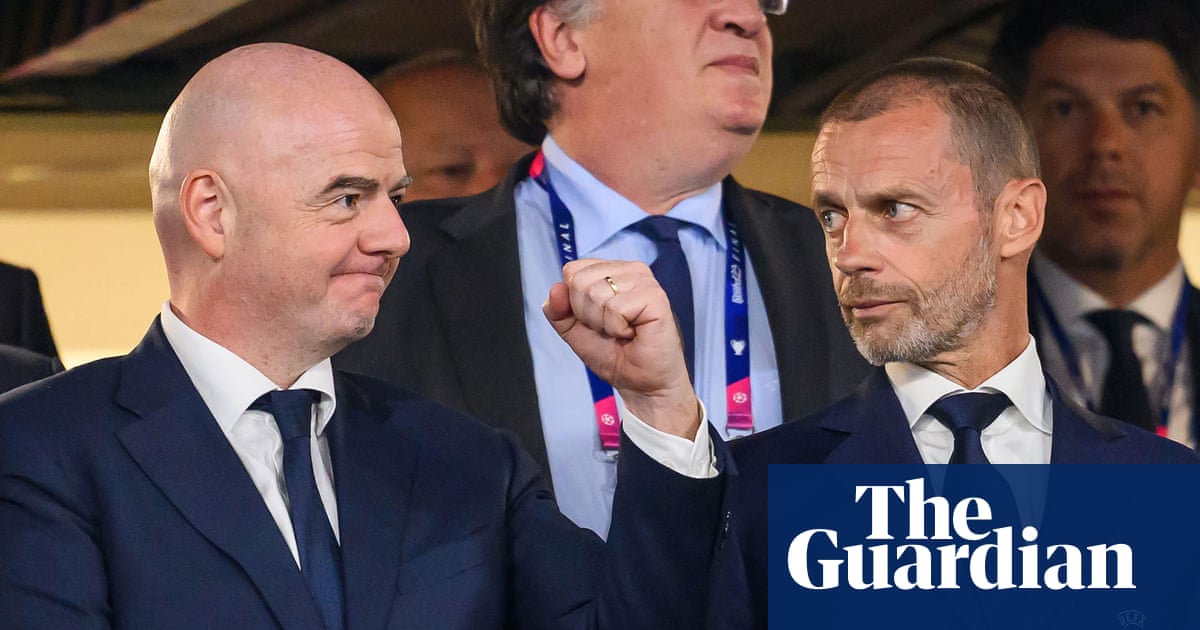
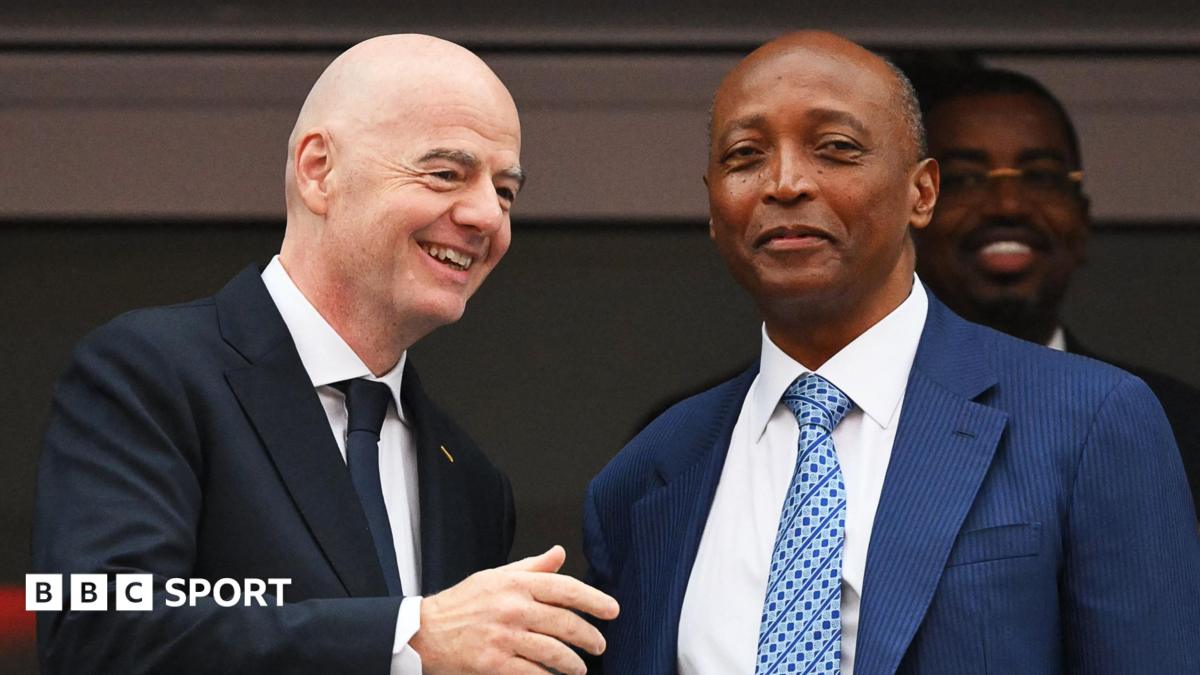
FIFA President Gianni Infantino is pushing to monetize the governing body’s premier assets. The plan, which involves selling equity stakes in FIFA-run tournaments to private equity firms, is officially on the table. While the European leagues have slammed the door, the Confederation of African Football (CAF) is playing a very different game. They have opted for silence, fueling speculation about what kind of trade-offs might be coming down the pipe.
This isn't just about cash injections. Infantino wants to shift how the global game is funded, but he is running into a wall of resistance from traditional stakeholders. Those critics argue that selling pieces of the World Cup or the Club World Cup compromises the integrity of the institution. If private equity gets a seat at the table, they want a return on investment. That usually translates to more games, more fixture congestion, and less say for the rank-and-file federations.
Why Africa holds the balance of power
The math is simple: FIFA governance runs on votes. Africa represents the largest voting bloc within the FIFA Congress. If the continent moves in lockstep, they can dictate policy. By remaining uncommitted, CAF is holding all the leverage. They are currently waiting to see if Infantino offers development grants or infrastructure support in exchange for their backing. It is a textbook example of high-stakes sports politics where the value of a vote is currently trading at a premium.
Fifa's plan sell stakes in its competitions to private investors has been heavily criticised, but the body running African football is yet to take a side.
The lack of a public stance from CAF executives is telling. In the past, African leadership has been quick to align with Zurich on major structural shifts. This hesitation suggests that there is internal dissent. Some national associations are worried that private equity influence will prioritize the European and South American markets, leaving smaller nations further behind in the race for tournament spots. It is a valid fear. The focus of private capital is almost always on high-revenue zones.
The hidden risks of privatized football
Let's talk about the downside. When private investors enter the mix, the primary objective is profit maximization. This usually results in a push for expanded tournament formats. We saw the backlash when the new 32-team Club World Cup was announced. Fans are already exhausted by the sheer volume of fixtures. Adding a layer of commercial shareholders who demand aggressive growth metrics will only push players toward a breaking point. We are looking at a potential 60-game calendar for elite athletes.
There is also the matter of transparency. FIFA has a long history of institutional opacity. Bringing in secretive investment firms does nothing to improve that image. If the governing body is beholden to private shareholders, how do they handle corruption allegations or human rights concerns in host nations? The temptation to look the other way for the sake of the bottom line increases exponentially. Critics of this plan, as noted by recent reporting from the BBC, argue that the soul of the sport is at stake.
The financial argument for the plan is clear enough. FIFA needs a cushion to support the global game, especially outside the top tier of European football. However, the costs are not just monetary. By tethering tournament success to private portfolios, FIFA risks losing its ability to act as an independent arbiter. If the investment fails or the returns don't hit the projected targets, do we see a fire sale of assets? The prospect is alarming to anyone who values the current structure of the game.
Ultimately, this is a power grab disguised as a financial correction. Infantino knows he cannot force this through without backing from the global south. The next few months of closed-door meetings in Cairo and Zurich will define the next decade of football finance. If CAF decides to support the motion, the floodgates open. If they align with UEFA and the other detractors, the plan dies on the floor of the FIFA Congress. It is a binary outcome for a very complex problem.
The skepticism remains widespread among supporters' groups. They see the commercialization of football as a slow erosion of community ties. If FIFA proceeds, they will be alienating their core base in exchange for a short-term cash injection. It is a risky trade that could backfire if fans stop showing up to the very tournaments they are trying to sell off. The sport is at an inflection point, and the decisions made in the next cycle are irreversible.