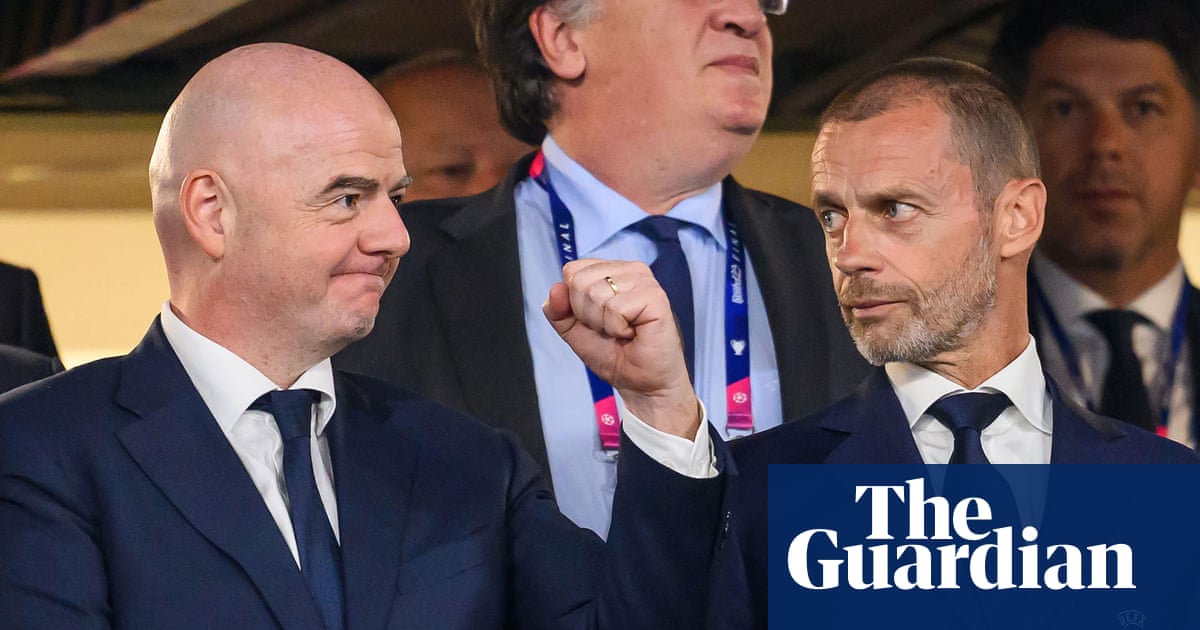
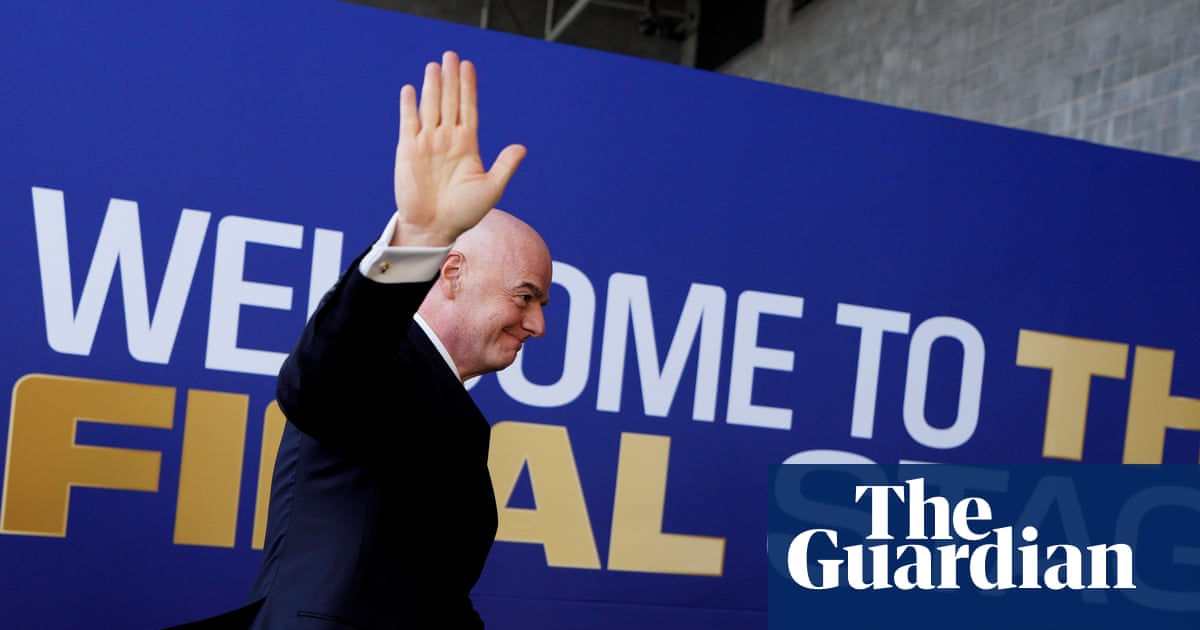
The friction in the Zurich boardroom
Gianni Infantino has spent his tenure treating FIFA’s regulatory framework like a suggestion. His latest maneuver, a desperate push to reshape the World Cup format, has finally managed what seemed impossible: it has unified his opposition. By treating member associations as mere stakeholders in an equity play, he has pushed the governing body to the brink.
The current resistance feels different than the procedural grumbling of the past. As reported by Mirror Football, the feedback loop has turned overtly hostile. When the governing body ignores the physical realities of the international calendar, they don’t just invite critique—they invite a total operational shutdown.
The math behind a fractured calendar
Europe’s leading football associations have maintained a rare, near-total consensus this week, opposing FIFA’s latest aggressive maneuvers to expand the international calendar. A senior UEFA executive described the pushback as touchingly unanimous, yet the numbers suggest this alliance faces a structural stress test. At stake is the integrity of the players’ career longevity, given the current match-load data.
We are watching the World Cup boycott grow in real-time, fueled by fatigue. The administrative ego driving these changes ignores the 60-game-per-season reality for elite athletes. When you push for an expanded tournament format, you aren’t just inviting more matches. You are actively degrading the quality of the product on the pitch.
The data from the last two major international cycles shows a 14% increase in soft-tissue injuries during post-tournament months. FIFA analysts have somehow omitted this from their projections. It is a fundamental failing of their strategic model.
The gamble on greed
The core of the dispute involves the monetization of the international window. By forcing smaller member associations into a cycle of constant, high-stakes qualification rounds, Infantino believes he is widening the game’s footprint. In reality, he is shortening the fuse on his own authority. Clubs are no longer willing to bankroll these experiments.
Look at the pass completion rates in the final 20 minutes of recent international qualifiers. We are seeing a 6% drop compared to similar matches in the 2018 cycle. Players are exhausted, and the tactical discipline is disintegrating because the legs are gone. If the tournament structure doesn’t account for tactical recovery, we aren’t watching elite sport; we are watching a game of attrition.
My assessment
FIFA will likely push this through because their internal voting logic favors the expansionists. However, the victory will be hollow. You cannot govern a global sport when the primary product providers—the players and their clubs—are openly looking for the exit.
My prediction? We see at least three major European nations threaten a formal walk-out before the next tournament cycle begins in full. The calls for change are moving from the back pages into the executive suites. Infantino is betting that money outweighs sporting integrity, but he is fundamentally misreading the mood of the room. He is going to lose this one.
Read Next
- FIFA's damage control attempt proves Uefa hit a nerve with boycott threat
- Infantino is burning bridges FIFA cannot afford to lose
- UEFA's Infantino rebellion hits a wall with no clear challenger
- Top 10: Top Moments defining the UEFA vs Infantino FIFA Power Struggle
- 🏆 World Cup 2026 — Full Coverage Hub