The politics of a fractured federation
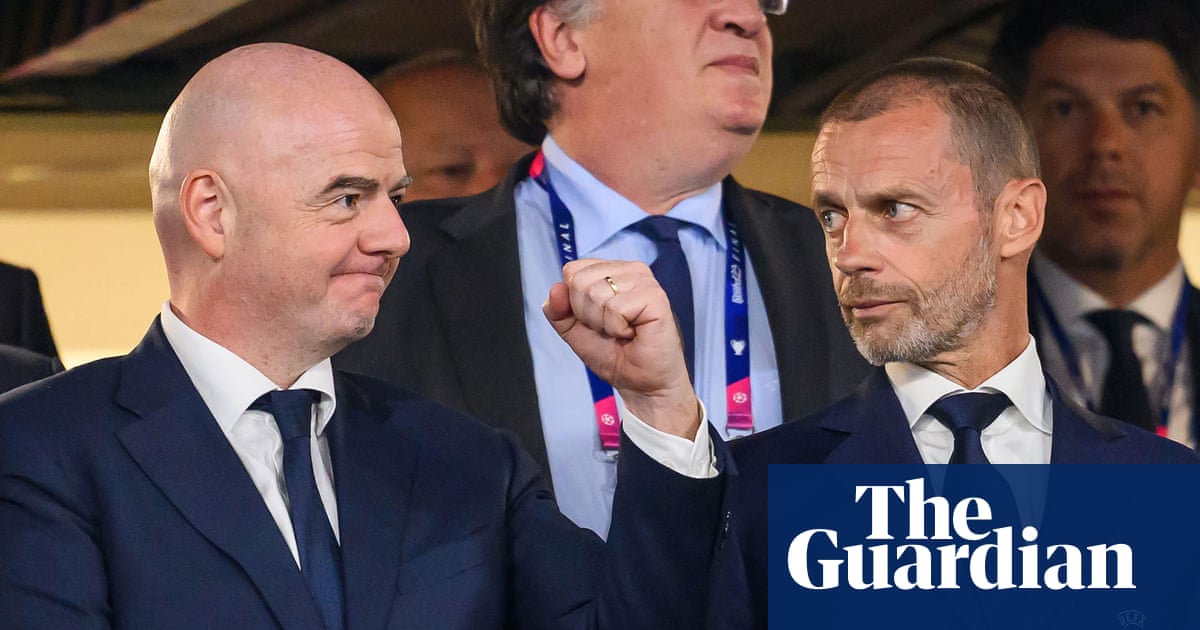
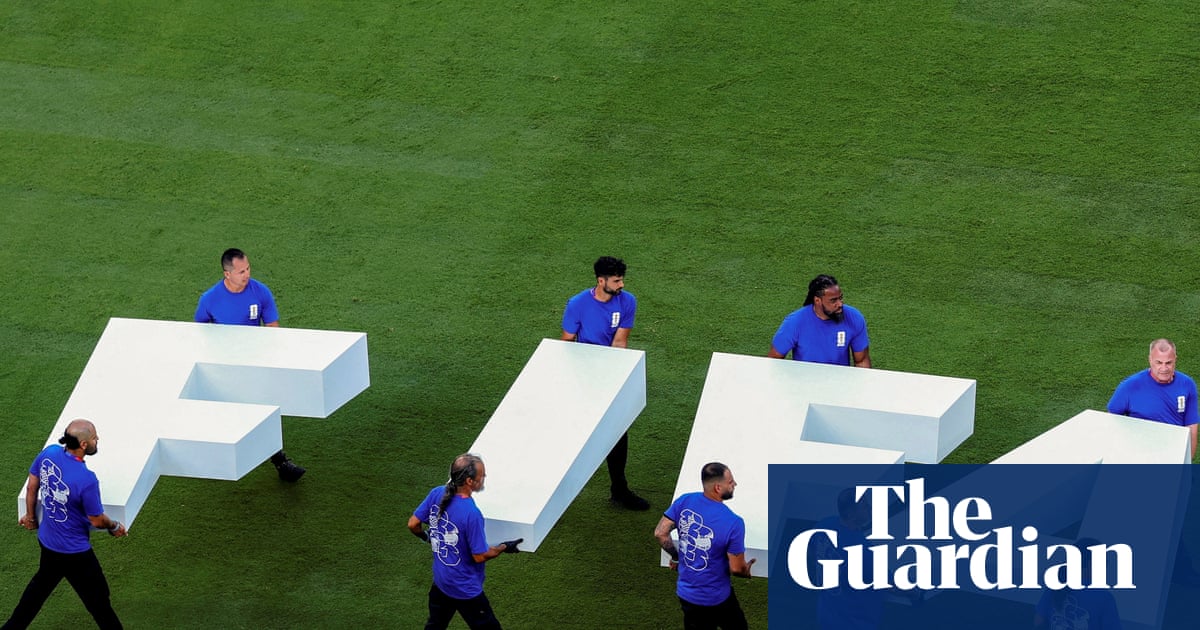
Gianni Infantino is currently playing a dangerous game of PR brinkmanship. While the pitch preparations for 2026 continue, the real battle is happening in the boardrooms of Zurich. UEFA has explicitly threatened a boycott regarding the latest privatization consultation, and FIFA is scrambling to frame this as a simple misunderstanding.
The governing body claims that nobody is selling football, yet the lack of transparency surrounding these consultations suggests otherwise. European federations are not known for their patience when it comes to the commercialization of their marquee product. Threatening a World Cup boycott is a nuclear option, but it reveals how deep the resentment toward the current administration runs.
Tactical friction on and off the pitch
Look past the legal posturing and you see a massive disconnect. Players and fans want a coherent schedule and standard pitch sizes. Instead, they are getting bureaucratic headaches about who actually owns the rights to the event’s revenue streams. This friction isn't just background noise; it dictates how federations prepare for the tournament.
The skepticism from UEFA points to a flawed consultation model. FIFA insists the process is being disrupted by incorrect media reports, but that is a predictable deflection. When you invite controversy by exploring privatization, you cannot blame the press for reporting the fallout. If the internal strategy were actually as clean as Infantino insists, the union backlash would at least be muted.
The damage is already done
There is a specific flaw in FIFA’s communication strategy: they view federations as tenants rather than stakeholders. Holding a tournament requires institutional buy-in from the continent that still moves the most capital in the sport. If the top-tier European squads begin to align their operational interests against FIFA, the 2026 event loses its gravity long before the opening kickoff.
Expect the next few months to be defined by back-channel pleading and public grandstanding. The federations hold the leverage of participation, and FIFA holds the leverage of the tournament’s immense gross revenue. Neither side looks ready to blink, but the public tone is shifting toward total hostility.
The verdict for the upcoming window
I am predicting that the boycott threat will eventually be withdrawn, but only after FIFA grants significant concessions on revenue sharing. They will trade a slice of the profit to keep the show on the road. The administrative failure here is the time wasted on this fight, which should have been spent stabilizing the tournament’s format. Football continues to be the only sport that works this hard to sabotage its own biggest stage, and the damage to the brand is already 10 percent worse than it was a year ago.
Read Next
- FIFA's damage control attempt proves Uefa hit a nerve with boycott threat
- Infantino is burning bridges FIFA cannot afford to lose
- UEFA's Infantino rebellion hits a wall with no clear challenger
- Top 10: Top Moments defining the UEFA vs Infantino FIFA Power Struggle
- 🏆 World Cup 2026 — Full Coverage Hub